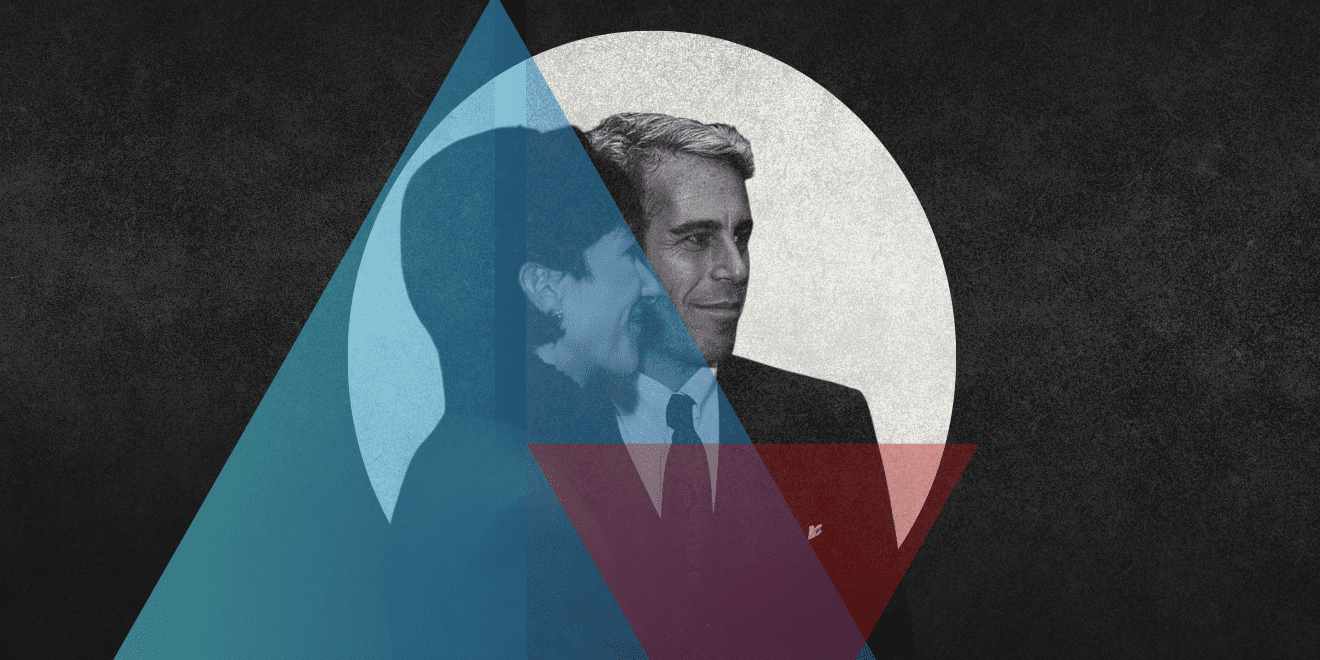
Jeffrey Epstein was the not-so-secret agent of the global kleptocratic system.
There’s speculation that the late Jeffrey Epstein, convicted pedophile, sexual predator, insider dealer, greaser of illicit finance, master transactionalist, was a Russian intelligence asset. That may indeed be the case. What’s clear is that, regardless of whether he was on the payroll of any intelligence service, his mission included infecting democratic political systems with the virus of systemic corruption.
The release of the Epstein files shines a light into how the global political bazaar operates. Its key principles are as follows. Number one: political money rules the world. You don’t need to have the biggest economy or the biggest army, if you can use your political budget to achieve your goals. Skillful political spending – to buy political loyalties and services – is what matters. This means that Russia, a country with the GDP of Spain and the military spending of Britain plus France, can be a world power because its ruler is an expert operator with that budget line. It’s a strategy that’s easiest where it’s cheap to buy power – and the files show that for many political figures, especially in Europe, the going rate is bargain basement.
Number two: insider information is essential. A political marketplace is different to a regular market in a capitalist country, where the commodities for sale are standardized and advertised and information about prices flows freely, and the consumer has some protection against being ripped off. A political market is like a bazaar or suq, where every transaction is sui generis, and the naïve buyer can’t know about the quality of the product and the price the seller will settle for. In his ethnography of a Moroccan suq, the anthropologist Clifford Geertz writes:
The search for information one lacks and the protection of information one has is the name of the game. Capital, skill, and industriousness play, along with luck and privilege, as important a role in the bazaar as they do in any economic system. But they do so less by increasing efficiency or improving products than by securing for their possessor an advantaged place in an enormously complicated, poorly articulated, and extremely noisy communication network.
Number three: something becomes a commodity because everyone in the bazaar treats it that way. So political power has become a tradable commodity – and the geo-kleptocrats collude in keeping it that way. Everything and everyone are for sale, the only question is the price.
Something else becomes a commodity in this bazaar – people. Two hundred years ago, many human beings were literally chattels. Slavery is illegal today, but people-trafficking flourishes in the dark economy. Girls and women are inspected, ranked, bought and sold, exploited and discarded. The victims range from vulnerable children who are preyed upon for sexual exploitation to young adult women who sign up for a spot in a catalogue of mail-order bribes. For the political marketplace predators, these human beings are just commodities for their pleasure or trophies for display.
The financial piping of geo-kleptocracy runs through secrecy jurisdictions – many of them islands that are possessions of the British crown and some U.S. territories such as the U.S. Virgin Islands. The term ‘secrecy’ is a bit of a misnomer here, because every high-ranking player knows what his peers are up to (gendered language deliberate). They collude to protect their information from the taxman and the general public. It’s better to call these places ‘impunity jurisdictions’ – they are where money disappears from the reach of democratically-accountable authorities to be spent, without restriction, on whatever the political businessman wants. We think mostly of yachts and private jets, town houses and country estates, artwork and sports clubs – but the crucial spending is in the market in power. That’s where the highest returns are to be garnered. (In systemically corrupt countries like Nigeria, money flows out of tax havens and back home into political spending at election time.)
Little Saint James, located in the U.S. Virgin Islands, was Epstein’s impunity jurisdiction. Infamous for his sex crimes, it was also a hub of his political market brokerage, along with his residences in New York, London, Paris, and elsewhere. It was where he, as a ‘sovereign individual’ had achieved his personal escape velocity from the shackles of a law-governed state, its tax system and its public moral codes.
In offering favors ranging rides in his plane, donations to pet charities and introductions to potential employers for their children, to girls who provided sexual services, Epstein built up the trust that’s needed to master the international political bazaar. Here I’m not referring to the trust that someone has personal integrity, but the trust that they understand the unwritten rules of the club and can be counted upon to do what’s in their interest. The sex crimes and transgressions followed a code parallel to their political and financial ones. It’s the code that greases the wheels of the real money and power plays, that make billions and unmake democratic governments.
As I mentioned, it’s possible that Vladimir Putin may have ‘owned’ Epstein. But I suggest that a more parsimonious and more plausible explanation is that Putin – along with other apex political market predators – found him useful for getting privileged information, facilitating secret transactions, and most strategically, advancing the logic of geo-kleptocracy at the expense of democracy, the rule of law and a free market. Who needs to design a bioweapon when there’s a virus in the wild that does the same job, and you have a willing super-spreader?