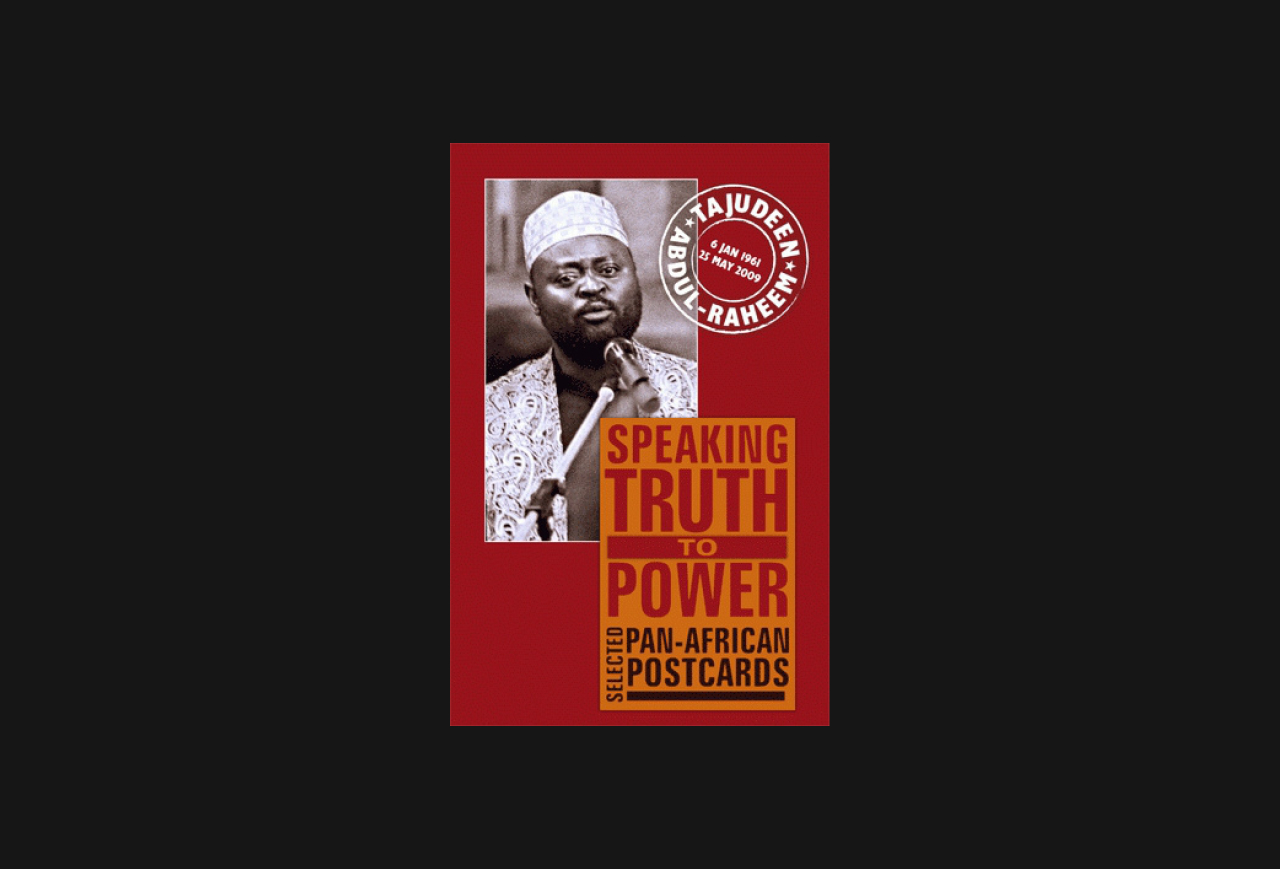
Tajudeen Abdul-Raheem, fearless and passionate advocate for Pan-Africanism and the liberation of the oppressed worldwide, regularly ended his speeches, or signed off his weekly ‘postcard’, with the slogan, ‘don’t agonize, organize!’ It was a favorite phrase of Abdul Rahman Babu, a luminary of the previous generation of African liberation public intellectuals and revolutionaries.
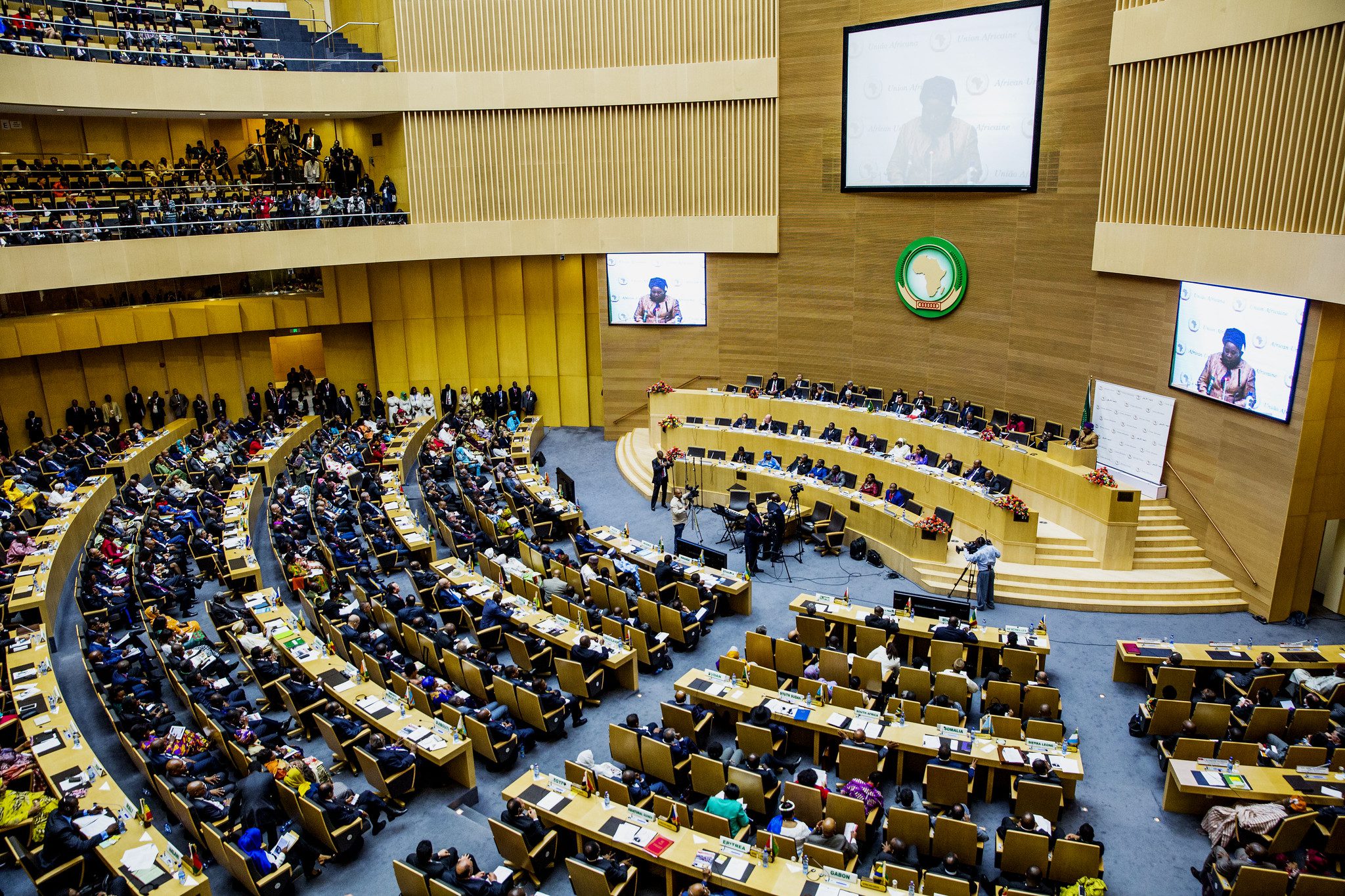
A few days before African leaders gather for a summit meeting of the Peace and Security Council on Sudan, a ‘postcard’ he wrote on February 1, 2007, entitled ‘Pan African Perspectives and the African Union’ comes to mind. In this column, Tajudeen reflected on the AU leaders’ decision—just taken for the second time—refusing to elevate Sudanese president Omar al-Bashir to chair the Union. He wrote:
The political landscape in Africa is changing and generally for the better. … Would it have been possible in the old OAU for Sudan’s bid to assume the chair of the organization to have been rejected twice in succession? In the old days the argument would have been that what is happening in Darfur is an ‘internal affair’ on which Sudan’s ‘sovereignty and territorial integrity’ could not be questioned.
But these days those arguments do not hold sway anymore. We may not have collective sovereignty in place but it is no longer a case of ‘leave my victims to me and I’ll leave yours to you.’ We have moved from non-interference to non-indifference. What happens in all African countries is of legitimate concern for other African states. A new sense of shame has arrived …
The way in which ‘the isolation of Sudan on the Darfur issue also demonstrates how dialogue between civil society activism and progressive African governments, union bureaucrats and other concerned Africans can yield positive results. It is not the noise of the US or Britain or their NGOs that has made it impossible for Sudan to become chair of the AU. Instead there is a consensus among Africans that a country like Sudan which is so flagrantly and massively abusing the rights of its own people – orchestrating their mass death – is not able to speak in our name.
Tajudeen was also unsparing in his criticism of the Darfur armed movements, whom he said were relying on western nations to ‘save’ Darfur rather than doing the political work of the revolution themselves.
Tajudeen died fourteen years ago today, killed in a car-crash on his way to the airport in Nairobi, Kenya, and Africa misses him dearly.
Descended from the Ogbomoso Yoruba of south-west Nigeria, Tajudeen was raised in Funtua, the north-west, where his parents settled. He became Oxford University’s first Rhodes Scholar from northern Nigeria. He wrote his dissertation on the politics of Nigeria’s failed Second Republic, which was sacked ironically by the current President, Muhammadu Buhari, as an army general on December 31, 1983.
A dual Nigeria-Uganda national, Tajudeen married a Tunisian and had every reason to be utterly confident in his identities as an African and a citizen of the world. He was a fearless critic of power in all forms—neo-colonial, African post-colonial—and the abuses, dishonesties and double-standards of those in power. Every week he typed out his ‘postcard’, with two fingers, and dispatched it to Pambazuka without pause for thought about how it might cause disquiet or offense—and often without proofreading.
Tajudeen was general secretary of the Pan African Movement when it was hosted in Uganda. But he had no hesitation in castigating President Yoweri Museveni, challenging him to live up to the Pan African ideals.
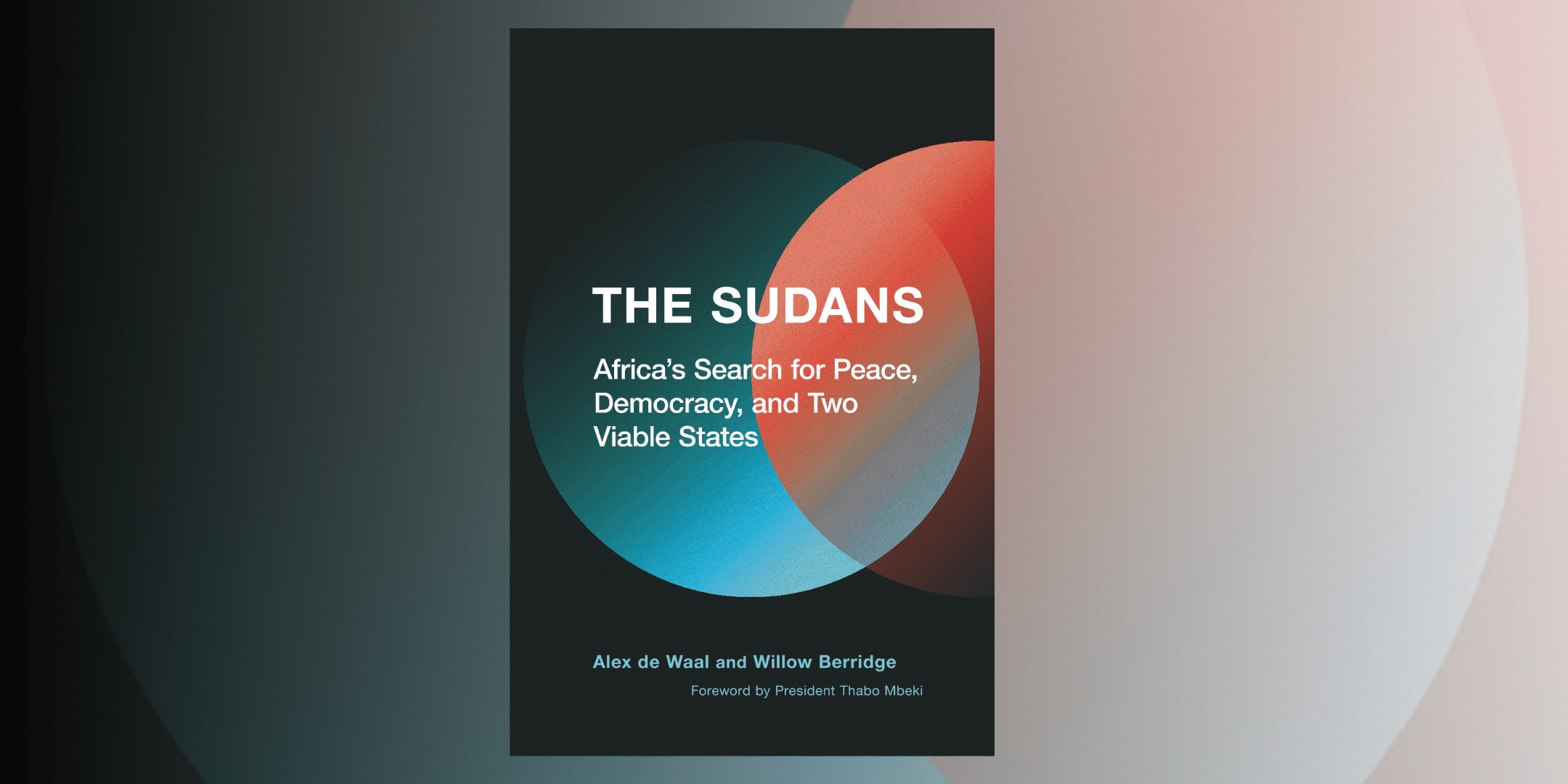
Museveni will chair this weekend’s PSC summit, and were Tajudeen alive today, we have no doubt that he would be demanding a unified African front to act against the warlords who have betrayed the Sudanese people. And he would be corralling African civil society to lobby in the Sudanese people’s cause, under the slogan, ‘don’t agonize, organize!’