What do we mean when we talk about peace? This question emerged early in developing WPF’s Future of Peace program, which seeks to understand changing global conditions and what institutions, networks, and ideas are needed to shape and expand the possibilities for more peaceful futures. However, asking about those futures first requires some clarity about what we mean by peace.
In a new paper, A working orientation for the Future of Peace (August 2026), Future of Peace Program Director Michelle Anderson traces recurring contours in how peace has been understood in scholarship and practice, and why those differences matter. Rather than proposing a new definition or aligning with a single tradition, the paper considers how this varied conceptual landscape can guide the work of the Future of Peace.
The paper explores:
- The problem of definition. A vast body of scholarship offers different and sometimes competing accounts of what peace entails. Rather than attempting to resolve this plurality, the paper asks what can be learned from it.
- Recurring contours in understandings of peace. Across different traditions, peace has been understood through its relationship to violence and justice, as a condition, process, or relational phenomenon, and at different scales of social and political life. The paper uses these contours to navigate this varied conceptual terrain without reducing it to a single framework.
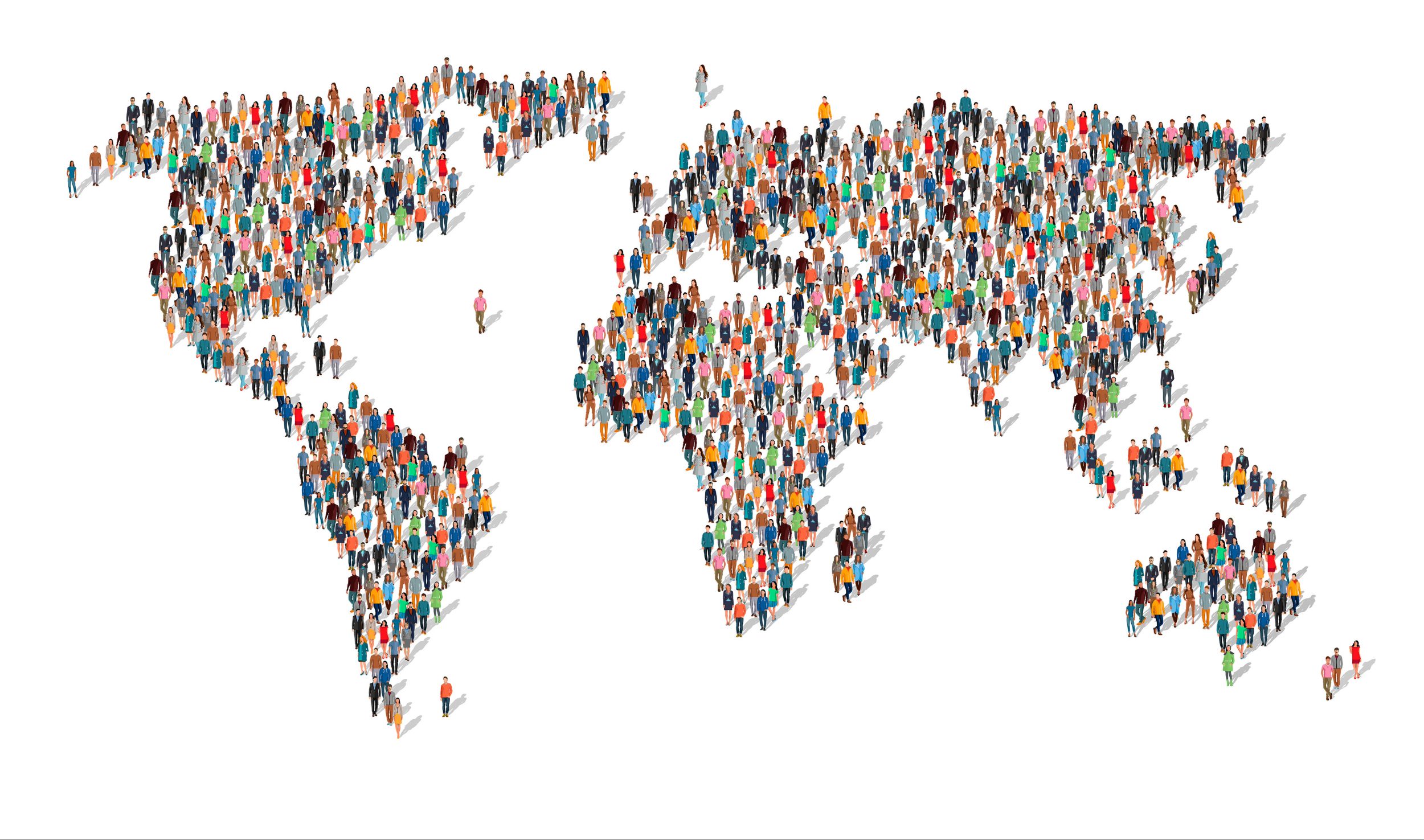
- Questions of scale and plurality. Peace may look different depending on where and from whose perspective it is examined, raising questions about how different scales interact and whether different traditions are describing dimensions of a shared phenomenon or distinct “peaces.”
- Why definitions matter. Definitions influence what becomes visible as a peace problem, what gets measured and funded, whose knowledge and experiences are valued, which interventions are considered legitimate, and what counts as success.
The paper concludes by identifying a series of guiding assumptions through which the Future of Peace can embrace conceptual plurality while maintaining sufficient clarity and coherence in its work. Together, these ground the program in an orientation toward inquiry that brings different understandings of peace into conversation, illuminates emerging challenges and possibilities for action, and seeks to better understand the conditions under which more peaceful futures become possible.