Did President Donald J. Trump just start World War X with his strike on Venezuela and his threat to invade Greenland? The answer is no – World War X was already underway. What Trump did was to declare his intention to fight it without limits and to win.
Following Carl von Clausewitz, war is the conduct of politics by other means. In today’s world, politics is conducted according to the logic of the marketplace – it’s treated as a commodity – and it counts as war because power is acquired using coercion, threat and direct violence. Kleptocracy is merged with gangsterism. This has been the hidden script in geopolitics for well over a decade. What Trump has done is to make the subtext the headline.
This is my first posting in series two on World War X. For a summary of the logic of World War X see number 11 in last summer’s series of blog posts.
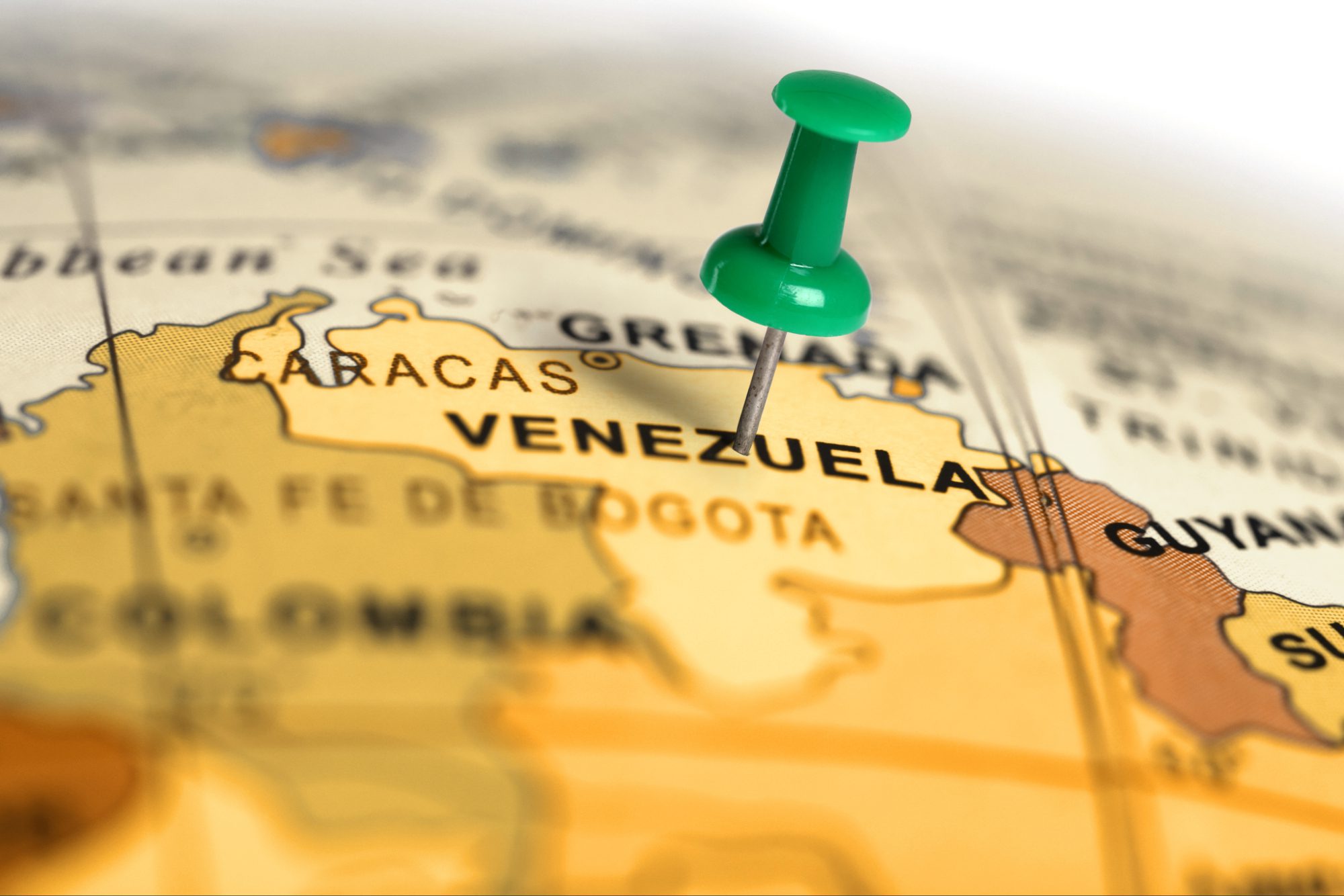
The attack on Venezuela was kleptocratic spectacle. The point wasn’t to steal, but to legitimize stealing. This required theatrical overkill – not in physical violence, which was targeted, but in the rhetorical shock of self-legitimizing heroic violence.
Venezuela is different to Trump’s earlier use of spectacular violence. Previous actions, such as the attack on Iran’s nuclear facilities, even the bombing of north-western Nigeria, had dubious rationales in policy and law. The post hoc justification of Operation Absolute Resolve as a takeover of Venezuela’s oil supply doesn’t make strategic or commercial sense.
What Trump was doing was putting upfront the logic of profit by force, unapologetic kleptocracy with impunity.
The threat to seize Greenland, by making an offer Denmark cannot refuse, is more than an idiosyncratic act. It’s pushing this logic to a new limit.
The material basis of World War X is geo-kleptocracy – the global market in power. Geo-kleptocracy includes a range of ways of making money through corruption and coercion. These acts are more than individual violations, more even than a consistent or systematic pattern – there’s no such thing as corruption when everyone is corrupt. Crucially, this has become the logic of power itself. In this political marketplace power is itself treated like a commodity that can be bought and sold. And because those with money and high political office treat it in this way, it is a commodity – albeit a crypto-commodity. Political loyalties, offices and services are bought and sold. Even state sovereignty has a price.
Today there are no longer local wars. Every armed conflict – from Armenia-Azerbaijan to Yemen, from Mali to Myanmar – is part of a fractal system, linked by global flows of political money. In fact, political money is the single most important determinant of how these conflicts unfold and of the peace deals that may halt the violence (or more often, pause and reconfigure the fighting). World War X is more than just a collection of local wars.
When Trump says that the U.S. is going to ‘run’ Venezuela, he doesn’t mean that it is going to take over its administration and rebuild the country, as the U.S. did in Iraq. He recognizes – correctly – that Venezuela has become a kleptocratic political marketplace run by a gangster regime. He can do business with those people. But instead of Maduro being the don, it will be Trump.
‘Running’ Venezuela isn’t going to make money for America as a whole. There may be niche businesses that make handsome profits. But if the kleptocratic logic is correct, the crucial financial calculations won’t be public – they will be how much political money can be extracted.
Most importantly, the Venezuela attack shows that the U.S. has arrogated the right to unilateral military action for the purposes of moneymaking.
The ideational basis of World War X is the doctrine that might is right, that acts of violence create new realities. It’s one version of ‘wild power’ – that is, power cut loose from the constraints of institutions and law. As Thomas Hobbes famously wrote, ‘the reputation of power: is power.’
Trump’s use of violence, domestically and internationally, is heroic – in the sense that these are acts of violence that legitimate themselves through display. Success is in the spectacle.
The Venezuela operation crosses a threshold. Trump is brazen in saying out loud what is the logic of global power. He is the apex political business predator in a global kleptocracy. The next test is Greenland. If Trump succeeds in annexing Greenland there will be no going back – World War X will be truly our world system.