Disrupting peace and resisting the concentration of political power

Mint green background with the words, "Disrupting Peace," at the top and an orange graphic design at the bottom, with the words World Peace Foundation.

Today we launched the first episode of season 2 of the WPF’s podcast series, Disrupting Peace. This season, we are looking around the world – and here in the US – to learn about how people resist efforts to concentrate political power. In each episode, I speak with local experts on the history and practicalities of resistance. Together they explore what works, what doesn’t, and why we shouldn’t give up.

Today, it’s clear the US is backsliding when it comes to democracy and human rights. And it’s not just us. There’s a global shift towards concentrating power in the hands of an ever-smaller group of men – and it’s nearly always men – at the top.

So this season, we’re looking at examples of resistance from six countries to see what we can learn. Scholars, activists, and politicians will help us understand how leaders attempt to concentrate power and how people fight back.

Here is your overview of our six episodes this season. From Iceland, we will learn from how to sustain a gender equality movement. From Costa Rica — including our Fletcher colleague and former Costa Rican President, Carlos Alvarado Quesada — we will explore how one governs without a military. From a member of South Korea’s parliament, we hear details of the dramatic night when he snuck over a wall to help overturn martial law. From Syrian, we will get an update from the immediate aftermath of the fall of the Asaad regime. Returning to the US, we have a conversation about restrictions to academic freedom and networks that are fighting back. Finally, we end in Italy, where we learn about the long-term impact of Silvio Berlusconi, a right-wing populist leader who governed from 1994 – 1995, then 2001 – 2006 and finally from 2008 to 2011.

Each episode includes two guests who help us dive deeper into our topic and offer unique insights into how build a better, more peaceful future.

You can find us on Spotify, Apple Podcasts, or wherever you listen. Subscribe now, so you don’t miss a single episode.
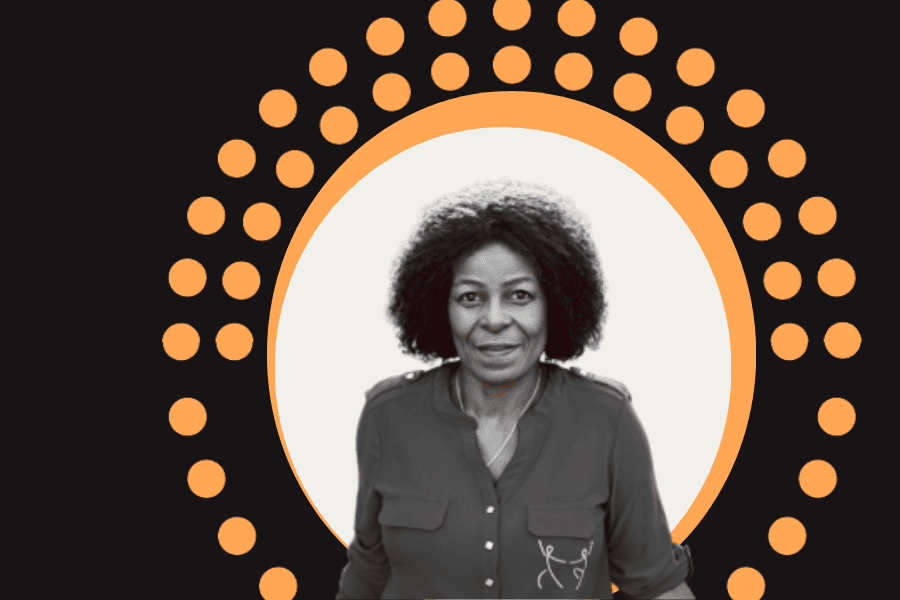
Bridget Conley works on advancing human rights in solidarity with directly impacted people. Her projects address mass atrocity endings, memorialization and the gendered harms of starvation, and mass incarceration in the US, notably in Massachusetts, where she lives. This research is grounded in abolitionist principles, which informs her understanding of how innovative visioning can directly impact policy debates.

She leads WPF’s research programs on atrocity response and incarceration, and hosts WPF's podcast, Disrupting Peace. She helps manage on project development, fundraising and strategic vision for WPF. Her publications include COVID Diagnosed the System: Lessons from the Pandemic Inside Massachusetts’ Prisons (Rutgers University Press, 2026), Memory from the Margins: Ethiopia’s Red Terror Martyrs Memorial Museum (Palgrave 2019); co-editor of Accountability for Starvation: Testing the Limits of the Law (Oxford University Press, 2021), and editor of How Mass Atrocities End: Studies from Guatemala, Burundi, Indonesia, the Sudans, Bosnia-Herzegovina, and Iraq (Cambridge University Press 2016), in addition articles and essays. She has also published on gender and starvation crimes, the 1992 – 1995 war in Bosnia, mass atrocities and genocide, and how museums can engage on human rights issues.

Previously, she worked as Research Director for the U.S. Holocaust Memorial Museum’s Committee on Conscience, where she led the Museum’s research and projects on contemporary threats of genocide, where she produced multimedia public outreach materials, formulated positions on contemporary threats of genocide, and curated exhibitions. She received a PhD in Comparative Literature from Binghamton University in 2001. When she is not in the office, she is happiest with her family or on a mountain.