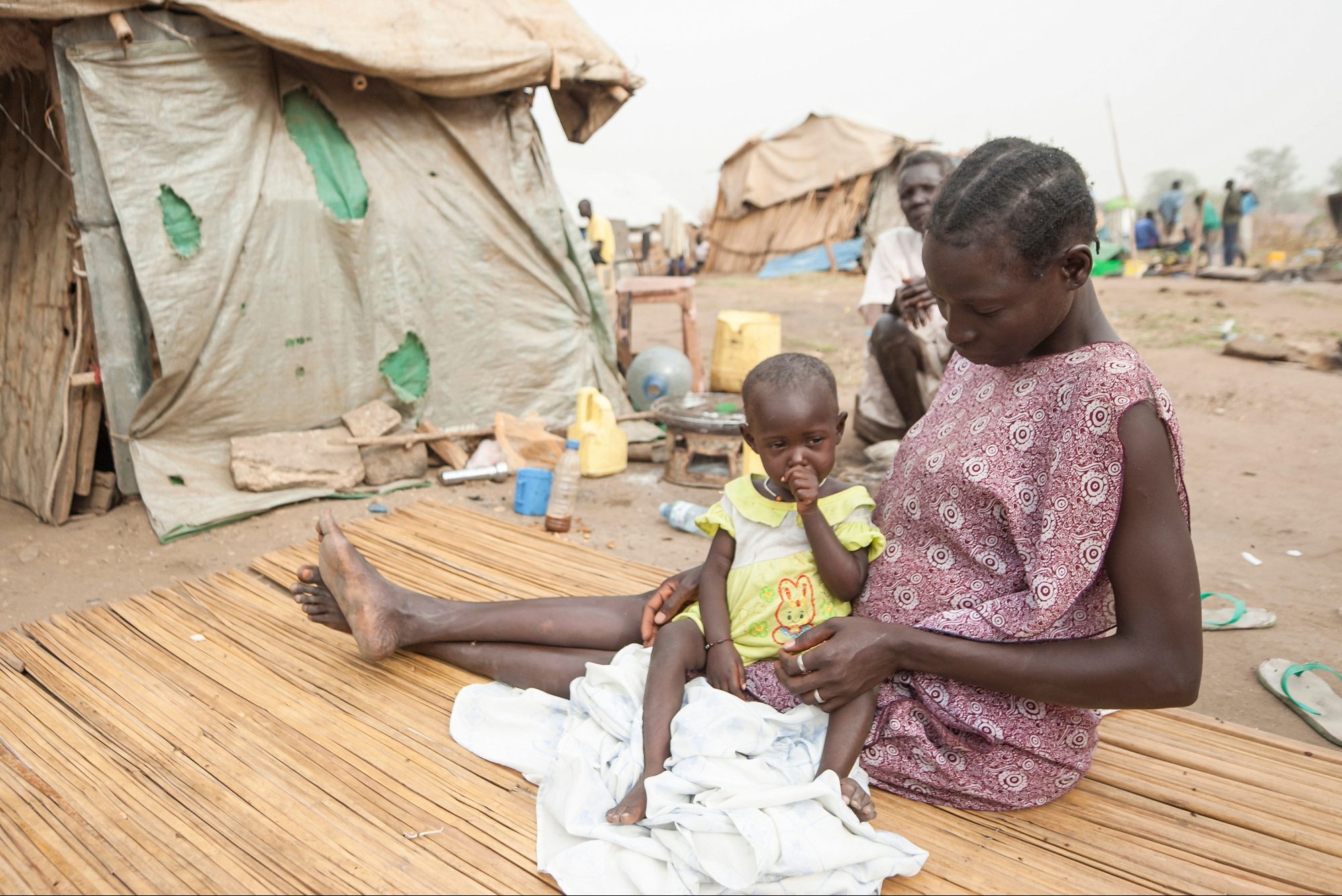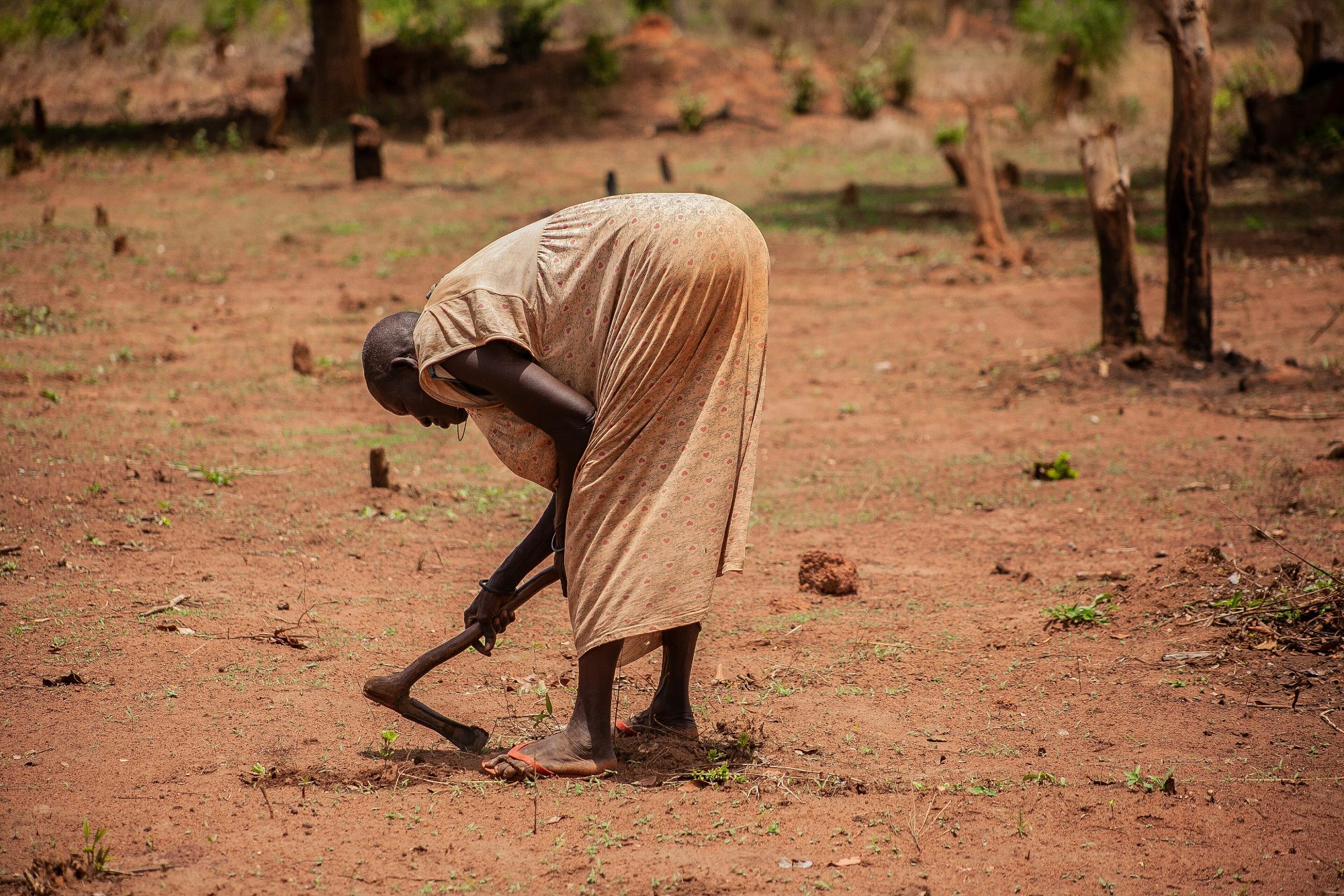
Unprecedented levels of malnutrition have been recorded in Gummi, Zamfara State, where a hungry population is enduring new levels of food insecurity. Conflict and displacement are reshaping food production systems, forcing households to buy food rather than grow it. Households have lost access to herds, farms, and other productive assets due to displacement, and as a result, their cash needs have increased dramatically. People must also find cash for a host of other urgent needs, including self-defense. Child malnutrition represents an additional cash burden on cash-strapped families. I will draw on my experience researching the choices and dilemmas of women seeking clinical treatment for malnourished children in MSF/MoH feeding centers (ITFC and ATFC) in Gummi to paint a vivid picture of the lived experiences and challenges they face—both in seeking clinical treatment for their malnourished children and in remaining engaged with treatment, including adherence to follow-up care.
First, most of the women I worked with were Hausa/Fulani, and when describing what they believed was wrong with their children, they rarely understood malnutrition as a distinct condition. Instead, it was perceived as a chain of childhood illnesses and complications. Caregivers more often attributed their children’s condition to illnesses such as massassara (measles), with visible weight loss and overall physical deterioration prompting the need for clinical treatment. This illustrates that malnutrition is not seen as an independent condition but as a consequence of other diseases and vulnerabilities.
Second, the Hausa word yunwa, meaning hunger, carries stigma and shame when applied to a child. So people use another word, tamuwa. Tamuwa is the word for Plumpy Nut or other ready-to-use therapeutic foods available in therapeutic feeding centers, where severely malnourished children receive medical treatment for famine.
Historically, children with severe acute malnutrition were treated as inpatients, using a clinical model of care with specially formulated therapeutic milks. In the twenty-first century, this shifted to a public health model of community management of acute malnutrition (CMAM) to improve coverage and reduce mortality rates. In CMAM programmes, children with uncomplicated severe acute malnutrition – that is, with appetite and no medical complications – are treated with fortified peanut butter. Those who fail to gain weight, or who have complications, are treated as inpatients – child inpatients face a high risk of death. https://www.thelancet.com/journals/eclinm/article/PIIS2589-5370(25)00015-X/fulltext
This public health model is likely to have contributed to the significant global decline in child malnutrition over the past two decades. https://data.unicef.org/topic/nutrition/malnutrition/. Wasting, or low weight-for-height, a key clinical metric for acute malnutrition, has significantly declined in Nigeria over the past two decades, too. https://data.unicef.org/topic/nutrition/malnutrition/ Clinical management of malnutrition can save lives.
But the stories of many women who present with their children and grandchildren at feeding centres tell a story about different, deeper complications, of women trying to get enough food, breastmilk, money, cowife support, patriarchal permission, to keep going. Although treatment is free, accessing feeding centers requires cash for transportation, which is mostly unavailable, and the decision to seek care often means prioritizing one child’s survival over the household’s immediate survival. In Gummi, most families are farmers who have lost access to their farms and livestock due to insecurity, rural banditry, and displacement, making livelihoods unpredictable and cash extremely scarce. Market dependence has increased sharply for many families, while food prices are at historic highs. Even families who do access their farms do not produce enough to sustain them for a year. Time spent seeking care translates into lost income, abandoned labor, and missed harvest activities, with women bearing the greatest burden, risking family conflict, loss of support, or divorce for leaving household and farm responsibilities.
Travel itself exposes women to serious protection risks, including abduction and sexual violence, and some caregivers reported hiding in forests for days with sick children, during which children’s conditions deteriorated.
Displacement frequently plunges communities into renewed cycles of hunger and vulnerability. When villages are attacked by bandits, families flee and spend days or weeks hiding in forests or on farmlands without food, shelter, or basic protection. During these periods, many children fall ill, and their conditions deteriorate rapidly due to prolonged hunger, exposure to cold, and mosquito bites, before they are eventually brought to feeding centers for care.
Hungry mothers may not have the capacity to continue breastfeeding an infant for the required time, nor does the infant get sufficient breastmilk. Many mothers who are themselves hungry tend to discontinue breastfeeding as breastmilk production goes low, or cuts and mothers in that state find breastfeeding exhaustive. Many of these mothers would resort to early weaning, and children would have to get adapted to adult food, as there are no special infant feeding formulas for such children. In many instances, women who lack breastmilk may give out such a baby to a cowife who is breastfeeding to breastfeed the child.
Hunger is profoundly reshaping family structures and social solidarity. Traditional systems of extended-family support, where households cooked, ate, and shared resources, are increasingly giving way to nuclear-level feeding, even among families living within the same compound. As food scarcity deepens, marriages are under growing strain, with rising divorce rates as some women choose to exit marriages to regain autonomy and pursue livelihood options that are often restricted for married women. This coping strategy frequently results in children being left behind in the care of grandmothers or co-wives, while in some cases, children are effectively abandoned, placing them at heightened risk of neglect and malnutrition. These shifts are eroding long-standing intra-family support systems, replacing collective farming, shared feeding, and mutual care with fragmented, individual survival strategies undermining social cohesion and weakening the informal safety nets that once protected the most vulnerable.
The need to secure permission and money from male household heads often results in delayed or denied care, or reliance on traditional remedies. Many women explained that men do not necessarily refuse care because they oppose treatment, but because they seek to avoid the financial burden associated with transportation and prolonged stays at feeding centers.
While ITFC frames malnutrition primarily as a biomedical condition requiring clinical intervention, mothers articulated a far more expansive understanding. For them, malnutrition is deeply intertwined with the disruption of food-producing households displaced from their land and livelihoods. Women described the daily struggle to secure sufficient food, sustain breastmilk production under conditions of hunger, stress, and scarcity, and generate adequate cash within an increasingly constrained and cash-dependent economic order to meet household needs. This perspective underscores that malnutrition cannot be reduced to a medical condition alone; rather, it is simultaneously a crisis of production, reproduction, and cash, shaped by displacement, gendered control over resources, and severely limited access to income.
As a solution to the cash problem, families turn to traditional or religious healers, who rarely identify malnutrition as the underlying condition, instead attributing the child’s symptoms to other illnesses—further delaying appropriate care. In communities stripped of cash and productive assets by ransom payments and insecurity-related levies, hunger has reached unprecedented levels, forcing families into coping strategies such as feeding once every few days, reliance on wild or deteriorating foods, child labor, gleaning, and even children collapsing after consuming local chili (tonka) due to hunger.
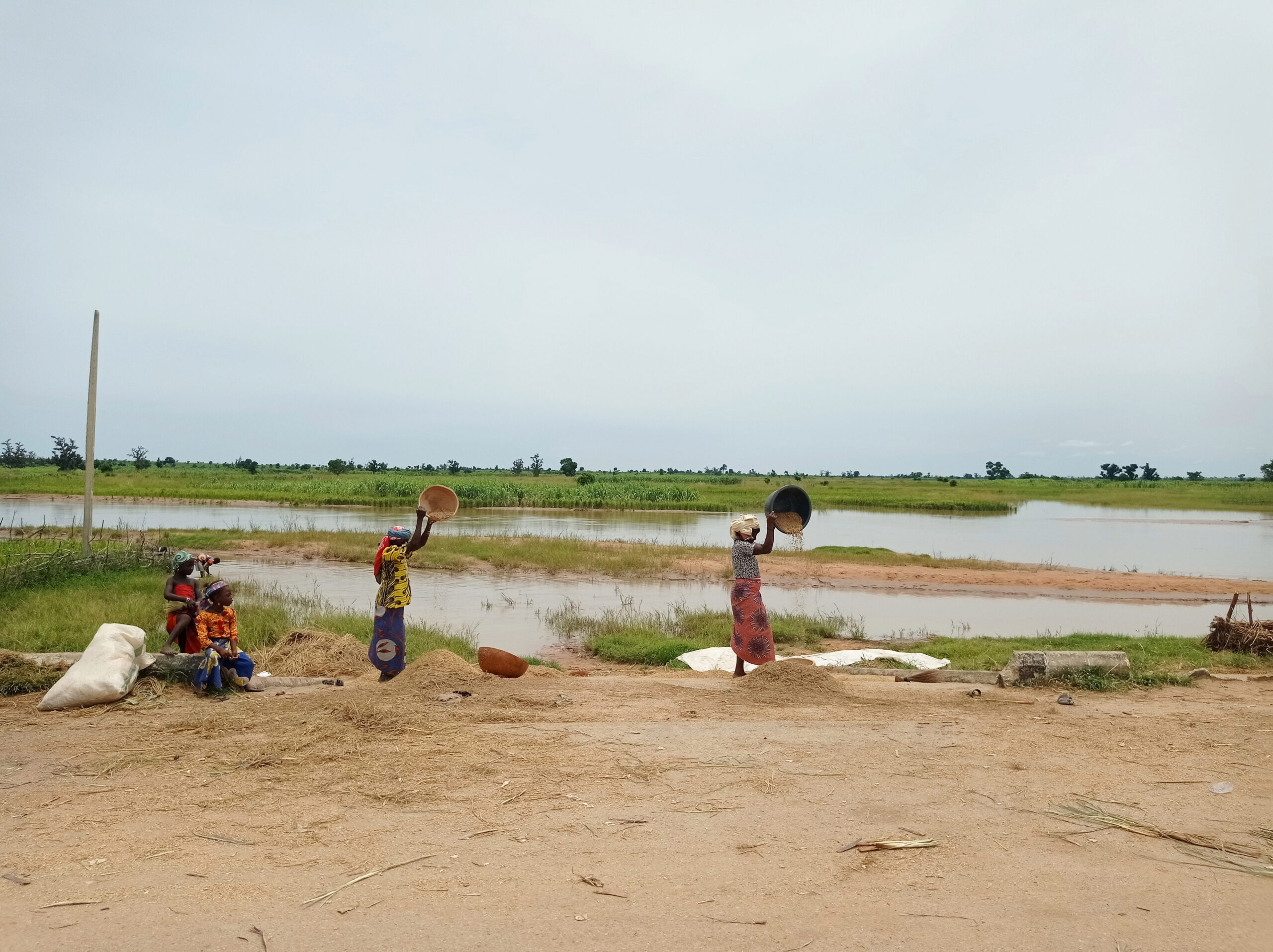
Climate change is part of the poly-crisis, which is bringing children into therapeutic feeding centres. It has become increasingly difficult to predict the onset and duration of rainfall, with rains starting later and ending earlier than expected. This disruption has undermined traditional planting and harvesting cycles, significantly reducing food production. In Gummi, peak rainfall periods, particularly in August, have also brought devastating floods that affect the town and surrounding villages, resulting in repeated loss of life, livestock, and unharvested crops, and compounding food insecurity and hunger alongside existing shocks.
The peak rainy season (July–September) further compounds access barriers, as overflowing rivers and flooded roads frequently cut off entire communities, preventing critically ill children from reaching hospitals and resulting in potentially fatal delays in seeking medical care.
Remaining in the hospital to care for a malnourished child extends far beyond medical challenges and is often accompanied by intense social, psychological, and economic pressures. Mothers frequently expressed anxiety about the children left at home who would feed them and how they were coping, while prolonged stays during critical farming and harvest periods could result in the loss of their share of harvest proceeds, particularly in polygamous households, placing them under significant economic strain. Staying in the therapeutic feeding center also means abandoning income-generating activities such as petty trading or producing goods for sale in local markets. Many women described hospital stays as emotionally distressing, marked by fear, isolation, homesickness, and disruption of marital relationships, with prolonged absence sometimes leading to threats of divorce. As a result, the decision to remain in treatment becomes deeply burdensome, and some mothers leave care prematurely, even while their child has not yet recovered.
Taken together, these experiences reveal famine in Gummi not as a single event of food shortage, but as a deeply entangled crisis shaped by conflict, displacement, gendered power relations, climate shocks, and the erosion of social support systems. Hunger operates through illness, insecurity, family breakdown, delayed care, and impossible trade-offs between survival and treatment, forcing caregivers—especially women—into constant moral and economic dilemmas. While clinical approaches to severe acute malnutrition are vital and lifesaving, the realities described here show that treatment cannot be understood, accessed, or sustained outside the social and economic conditions in which families live. Malnutrition in Gummi is not only a biomedical condition to be corrected, but a manifestation of collapsed food systems, constrained livelihoods, disrupted care relations, and chronic cash scarcity. Effective responses, therefore, require clinical models that recognize and engage with these broader constraints, rather than assuming that once treatment is available, families are able to use it without cost, risk, or consequence.