This blog is part of the Sexual and Gender-Based Violence and Starvation program, which probes the intersection of the law of starvation and SGBV, with the goal of sharing expertise across currently siloed research and policy arenas. We aim to develop new ways of understanding, documenting and analyzing, preventing, responding to and punishing actors who perpetrate these harms.
Preface on the Battlefield Logic of Deprivation
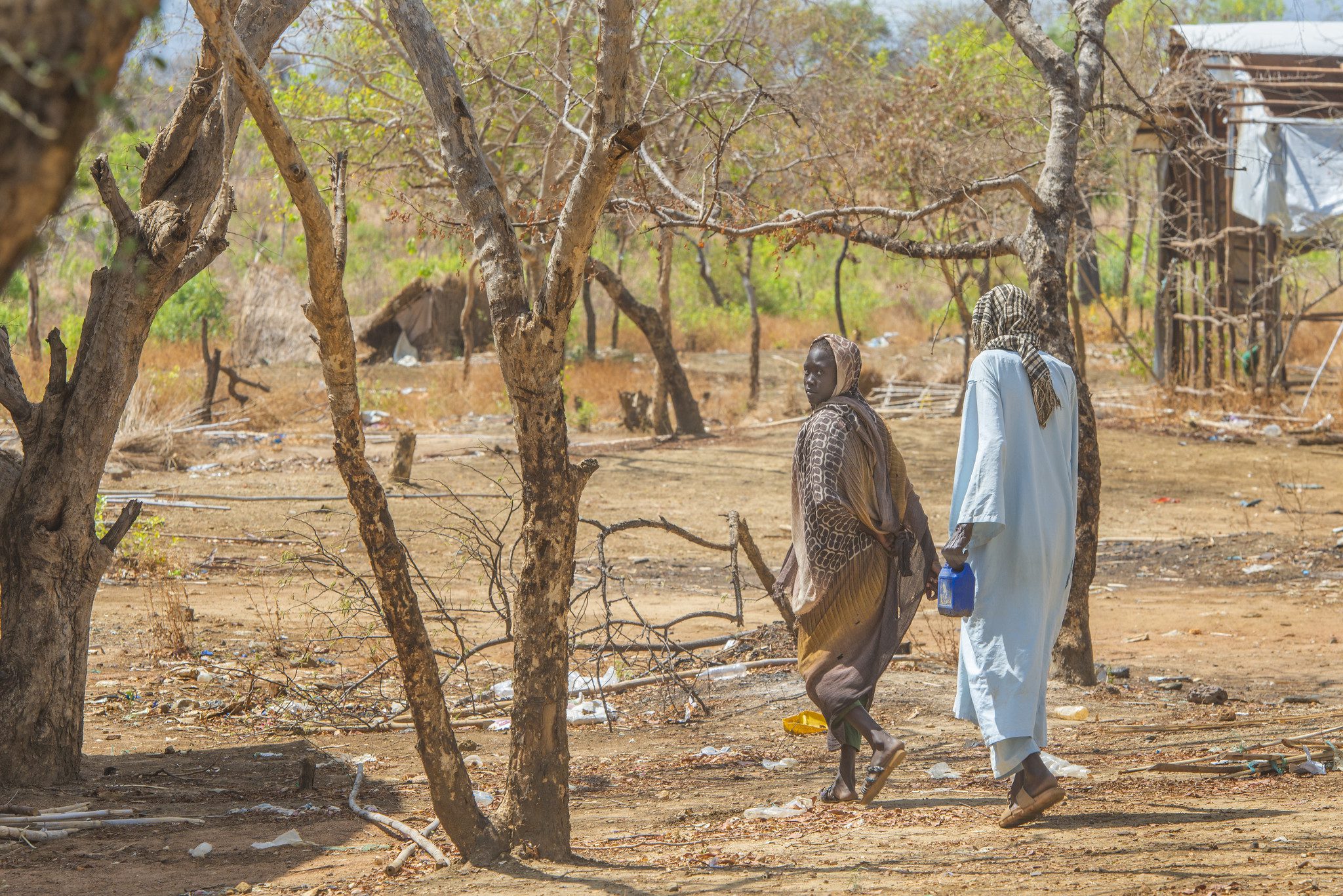
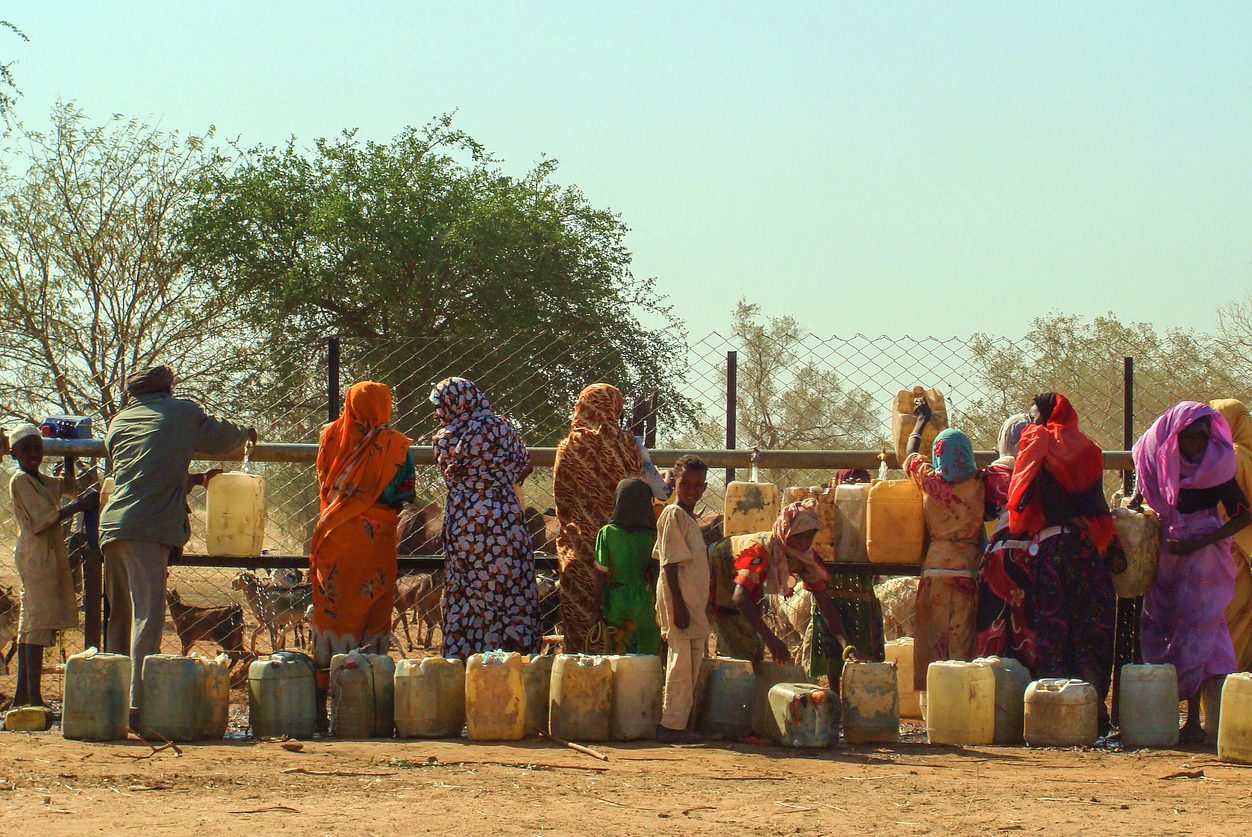
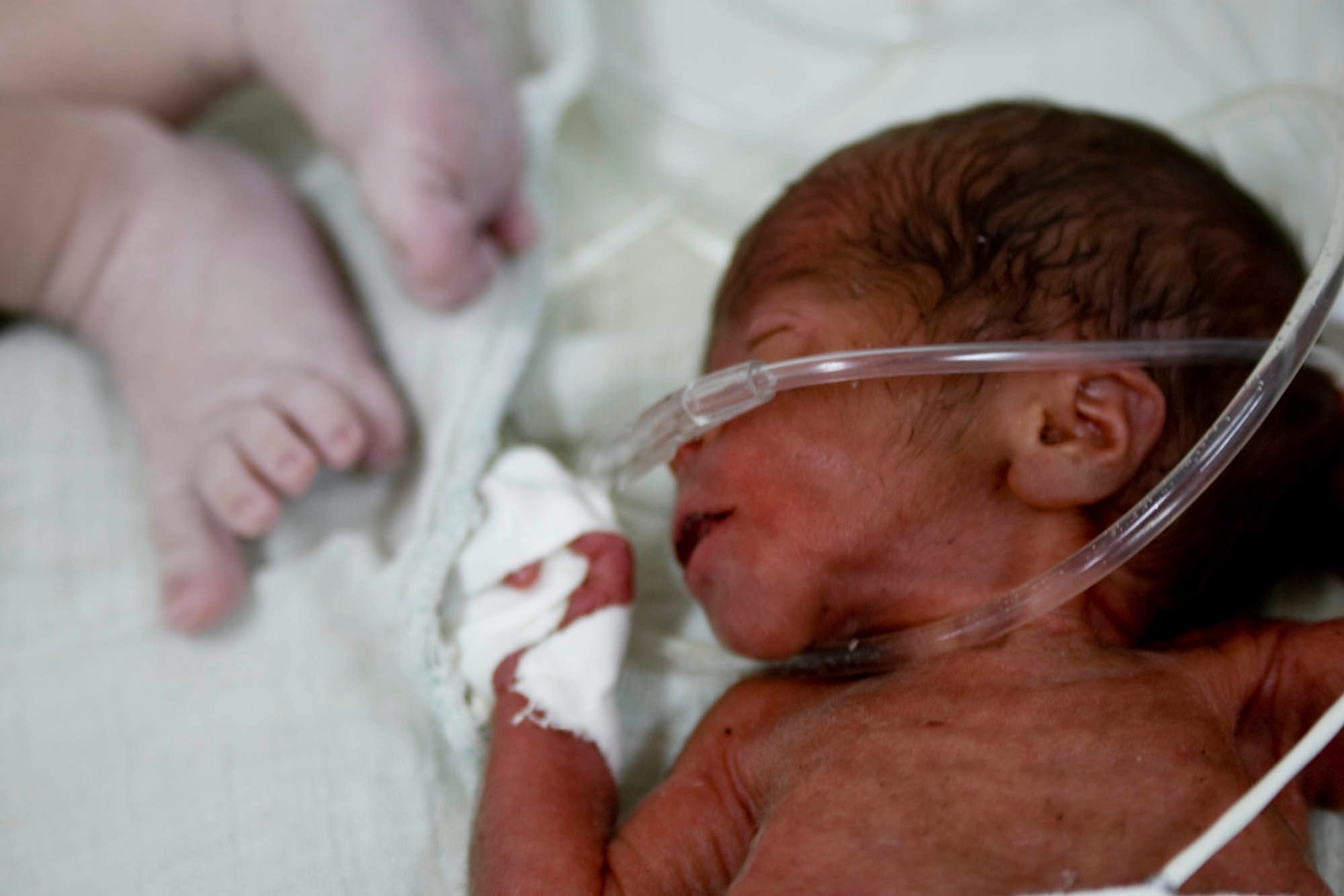
In my professional work, I have spent nearly a decade working on international investigations, including some eight years working on United Nations (UN) commissions of inquiry (COIs). Much of what emerges from such investigations is familiar: arbitrary detention, custodial torture, attacks against civilians, aerial bombardment, and violations of cardinal international humanitarian law (IHL). Several investigations also reveal crucial details about the essence of civilian survival, however, including women walking for miles to obtain food or firewood (South Sudan), traders risking their lives to bring medicine into besieged areas (Tigray), and health workers delivering babies in the ruins of clinics, or the destruction of an IVF facility and the frozen embryos it contained (Gaza). It is within these accounts, which seminar participants explored in detail, that the boundaries between starvation, sexual violence, and the destruction of health systems as distinct atrocity types under international law become exceedingly blurred or, in some cases, dissolve entirely.
Across contexts such as Syria, South Sudan, northern Ethiopia (Tigray), and Gaza, investigations reveal strikingly similar patterns of interrelated forms of harm, which reinforce one another, and amount to a “method of warfare” under IHL – one structured around control over the means of civilian survival. Stated another way, one can directly trace how control over (i) food, (ii) medicine and healthcare, (iii) and bodily autonomy, is together embedded in belligerent logic and conduct.
International practice has been to aggregate the composite impacts and harms related to food, medicine and healthcare, and bodily autonomy, under the “conditions of life” umbrella, an enumerated concept in crimes against humanity and genocide that refers to imposed living conditions affecting a population’s ability to survive. Rather than focussing solely on the effects upon women and girls in this tripartite spectrum of deprivation, this contribution engages a specific question: what is the scope of what may be considered an “object indispensable to survival” (OIS) under IHL and international criminal law (ICL), and whether that protection can be understood to include “medical deprivation.” For both starvation and sexual and gender-based violence, including reproductive violence, the implications of this thinking require reframing medical deprivation within the starvation war crime paradigm, particularly in the context of (urban) siege warfare.
- Introduction
Over the past decade, the use of starvation as a method of warfare has taken multiple, overlapping forms, with several patterns recurring with immutable consistency across contexts. These include forced displacement, deportation, or forcible transfer as an underlying motive; sexual and gender-based violence as a mutually reinforcing crime; concomitant collective punishment of the enemy’s civilian support bases; and systematic attacks against hospitals and medical units, along with the denial or deprivation of medicine. The latter was expressly invoked by the Prosecutor of the International Criminal Court (ICC), who identified food and medicine as constituting “essential supplies” during the siege of Gaza. While the Pre-Trial Chamber granted the Prosecutor’s request for arrest warrants in November 2024, including on the basis that medicine constituted “essential goods,” it has not further interpreted or defined publicly how it views OIS.[i]
The ICC’s recognition of medicine as “essential” in the starvation war crime context may help open to door to a doctrinal argument that OIS should be read functionally rather than as a closed list. The Commentary to AP I, Article 54 also notes that, although the wording is “not perfect,” the rule protects objects that must be respected “in order to guarantee the survival of the population” (para. 2105). On that basis, where overlapping deprivations such as healthcare directly endanger survival, OIS can be interpreted to encompass health-related objects and services – medicine, medical equipment, emergency care, and the fuel required to operate and deliver them – because their removal has the same survival-threatening effect as depriving food or water.
Though healthcare and medicine are governed by a distinct protective regime under IHL which safeguards medical units, transports, and personnel and whose breach can trigger separate war crime charges under international criminal law (ICL), this does not preclude their concurrent qualification as OIS. The two regimes are not mutually exclusive: legal overlap is both doctrinally plausible and normatively appropriate where the deprivation of healthcare intersects with broader starvation tactics involving food and water.
For the purposes of this analysis, medical deprivation refers to attacks against hospitals, medical units, and medical transports, as well as the arbitrary denial of medical care more broadly, including the withholding or obstruction of access to medicine, and the arbitrary denial of medical evacuations. Despite being afforded its own legal framework, medical deprivation may also constitute OIS denial and therefore starvation as a method of warfare. Recent conflicts demonstrate that, when systematic attacks on healthcare or the denial of medical care intersect with starvation tactics (e.g., during siege warfare), medical deprivation quite noticeably acts as a method of warfare in its own right, deliberately targeting life sustaining objects in tandem with the deprivation of food and water.
When starvation as a method of warfare coincides with other crimes, practice has been to subsume it within the “conditions of life” element of extermination (crime against humanity), where those destructive conditions of life lead to death, and potentially as an inhumane act (crime against humanity). The concept of destructive conditions of life remains the primary modality through which starvation is incorporated. Where discriminatory intent has been established, persecution has been recognised as a crime against humanity. Starvation as “conditions of life” has otherwise been treated as an underlying act satisfying a material element of genocide, alongside killing or the infliction of serious bodily or mental harm (e.g., paras. 43, 70, 87).
This contribution takes a step back, by adopting the position that, from a teleological and functionalist perspective and across multiple contexts over the past decade, systematic medical deprivation has operated as a method of warfare, constituting starvation through the targeted denial of OIS. It frames medical deprivation not just as a standalone violation but as integral to the starvation logic when the intent to starve civilians is evident.
- Healthcare as objects indispensable to survival (OIS)
Article 54(2) of Additional Protocol I (AP I) prohibits attacking, destroying, removing, or rendering useless objects indispensable to the survival (OIS) of the civilian population. In ordinary usage, starvation most evidently refers to the severe deprivation of food and water, leading to extreme hunger, malnutrition, and potentially death. The Commentary to Article 54 of AP I to the Geneva Conventions cites the Shorter Oxford English Dictionary of 1973 to qualify starvation as “the action of starving or subjecting to famine, i.e., to cause to perish of hunger; to deprive of or ‘keep scantily supplied with food’” (para. 2089, note 3). Reflective of this, the core list of OIS specified in Article 54 similarly focuses on items such as foodstuffs, crops, livestock, and drinking water installations, though the category is non-exhaustive.
The plain wording of Article 54 makes clear that OIS include both items, such as food and water, and structures, including installations and works. Foodstuffs and water installations are explicitly listed as OIS because they are universally essential for survival in all contexts. Notably, however, OIS may be permanently or situationally indispensable. Due to weather conditions or other circumstances, items such as shelter or clothing must be regarded as essential for survival in a specific context (para. 2103).
Under Article 18(2) of AP II applicable in non-international armed conflict (NIAC), if a civilian population is suffering “undue hardship” because of a lack of “supplies essential for its survival, such as foodstuffs and medical supplies,” humanitarian and impartial relief actions conducted without any adverse distinction are to be undertaken, subject to the consent of the state concerned. Customary IHL confirms this interpretation: relief supplies for populations facing undue hardship explicitly include medical supplies, hospital stores, and other essentials beyond food and water (Rule 55). Acts such as destroying hospitals, attacking medical personnel, or obstructing medical relief deprive civilians of survival necessities and should, like OIS, fall within the prohibition on starvation.
When negotiating the Elements of Crimes for the ICC, the drafters acknowledged that the term “starvation” extends beyond a narrower interpretation of death by deprivation of food and water, to encompass the broader notion of depriving civilians of anything essential for their survival. During these discussions, examples such as medicine, and even blankets in certain contexts, were explicitly mentioned as indispensable non-food items falling under the broader meaning. Notably, both AP I and AP II explicitly recognise that foodstuffs and medical supplies are “essential,” with AP I further including clothing, bedding, and means of shelter. Article 69 of AP I expressly includes within the protective category a non-exhaustive list including clothing, bedding, means of shelter, and other essential supplies in occupied territory. Likewise, Article 70 of AP I provides that relief actions should be undertaken when the civilian population in occupied territory is not adequately provided with food and medical supplies, clothing, bedding, means of shelter and other supplies essential to its survival.
Similarly, GCIV obligates occupying powers to ensure “Food and medical supplies for the population” (Article 55). Moreover, in an early Rolling Text from the Working Group, a footnote was inserted to clarify that the intent to starve extended beyond food deprivation alone, covering the denial of any resource essential to life. Although the substance of this footnote was broadly accepted, with only one delegation expressing minor reservations, the majority ultimately found it redundant, reasoning that the phrase “objects indispensable to their survival” already encompassed this broader interpretation. Consequently, the footnote was removed from the final version (p. 388).
Under the Rome Statute, the war crime of starvation prohibits intentionally depriving civilians of objects indispensable to their survival (OIS), coupled with the intent to starve (Arts. 8(2)(b)(xxv) and 8(2)(e)(xix)). The ICC Elements of Crimes, in setting out genocide by deliberately inflicting conditions of life, recognise “resources indispensable for survival, such as food or medical services” (Article 6(c), element 3, fn. 4). International law criminalises the intentional use of starvation of civilians as a method of warfare under Article 8(2)(b)(xxv) of the Rome Statute.[ii]
In the context of armed conflict, healthcare facilities and supplies can be more situational, but can be equally critical in conflicts where medical care is necessary to prevent civilian deaths, such as during siege warfare where civilians cannot regularly exit the besieged area. Although disease and medical care are not expressly enumerated, the object and purpose of Additional Protocols I and II – namely to safeguard civilian survival – may similarly support construing objects essential to preventing disease or enabling medical care as falling within OIS in context-specific situations such as sieges.
Rethinking subsistence through objects and services
Starvation as a method of warfare is functionally extended to include infrastructure critical to survival. Article 54 of AP I cites drinking water installations and irrigation works as emblematic of OIS, making it the clearest expression that the starvation prohibition extends to infrastructure critical to survival. The term “object,” however, is not explicitly defined within AP I.
Services, by definition, are intangible provisions and would not fall within the category of “objects.” Under a formalist, textual reading, service provision is simply outside the remit of Article 54. Similarly, under the Rome Statute, the notion of OIS typically pertains to tangible, material goods. If “services” like healthcare are treated as interchangeable with “objects,” it could blur the legal threshold for proving starvation as a war crime: judicial bodies, including the ICC, may therefore be reluctant to recognise the denial of services alone as meeting the threshold for an OIS violation, unless such denial is explicitly linked to the obstruction or deprivation of the material objects necessary to deliver these services.
The concept being proposed in this contribution of “medical deprivation,” however, functions as both a consequence and a method. While the war crime of starvation centres on the deprivation of OIS, in practice, the denial of related services, such as access to medical care, often stems from the destruction or obstruction of such objects (e.g., medicine, medical equipment, or fuel for ambulances).
In recent armed conflicts over the past decade, medical deprivation during siege warfare, though not an object itself, has often reflected the underlying deprivation of OIS such as medicine, fuel, and equipment, and may thus constitute evidence of the starvation method. In other words, the material underpinnings of essential services, like healthcare, are the objects, and their systematic deprivation effectively disables the service. Therefore, attacks against hospitals or denial of access to them can constitute deprivation of OIS, insofar as they destroy or obstruct access to medicine, medical supplies, or infrastructure critical to survival.
Moreover, beyond a “location,” hospitals function as nodes of survival that are powered by OIS (e.g., antibiotics, IV fluids, etc.). The deprivation of the hospital’s functionality by bombing it leads to the functional deprivation of OIS, even if, on its face, the attack targets a “service delivery point.” Perhaps the question becomes: was the intent to deprive civilians of what they require to survive, even if that deprivation was achieved by targeting service structures rather than, e.g., crops?
In besieged areas, where there has been a discernible pattern of hospital attacks over the past decade, the obstruction of medical supply chains, and the denial of medical evacuations, it is not the service that is deliberately targeted as such, but rather the infrastructure and supplies that sustain life; in the case of medical evacuations, it is the movement of persons that is obstructed to achieve similar ends. It may be said, then, that systematic medical deprivation in these contexts becomes a means of starvation, because it achieves the intended deprivation of OIS via destruction of the delivery mechanism or denial of the service.
Moreover, although the starvation war crime is framed in terms of objects, the recognition of medical services in the genocide context might also underscore the normative plausibility of construing medical deprivation as a method of starvation, provided it is materially linked to essential objects.
Basic human needs and human rights frameworks
Besieged communities sometimes substitute degraded calories (e.g., grass, animal fodder, melted snow), but there is no functional substitute for insulin, antibiotics, oxygen, blood products, or the fuel and power that enable them. Treating such medical means as outside OIS perhaps misdescribes the survival ecology of besieged areas. Moreover, medical care is recognised as no less essential than clothing or shelter in modern definitions of basic human needs and human rights. The Universal Declaration of Human Rights, for example, places medical care directly alongside food, clothing, and housing within the right to an adequate standard of living for health and well-being (Article 25).
The IHL question is not whether medical care sits above “physiological basics,” but whether, in the concrete circumstances, specific medical means are indispensable to survival. In sieges, the answer is often yes. Without insulin, antibiotics, oxygen, blood products, obstetric emergency care, or the fuel/ power that enables them, civilians die even if food or water nominally exists. In that case, treating such medical means as OIS reflects IHL’s functional, life-preserving purpose, especially for vulnerable populations where unmet health needs directly impact the ability to secure or benefit from shelter and clothing.
Electricity and fuel in the healthcare context
With respect to OIS, during the Diplomatic Conference, the drafting history also made clear that the prohibition was intended to extend beyond direct attacks on foodstuffs to the disabling of systems that make their production and distribution possible (para. 2100).[iii] The travaux préparatoires highlighted irrigation works and installations, which may underscore that the concept of “rendering useless” was meant to capture measures targeting infrastructure on which survival depends.[iv] In the modern armed conflicts referenced in Sec. III, below, electricity infrastructure performs this role, including by sustaining the refrigeration and distribution of food, the pumping and purification of water, and the operation of hospitals and medical equipment. Attacks against this infrastructure, or its destruction, would appear to fall squarely within the prohibition, since cutting off electricity predictably deprives civilians of the means necessary for life.
On 5 March 2024, Pre-Trial Chamber II of the ICC issued arrest warrants against two Russian officials for attacks on Ukrainian electrical infrastructure. The Chamber found reasonable grounds to believe that the alleged campaign of strikes constituted the crime against humanity of “other inhumane acts […] intentionally causing great suffering, or serious injury to body or to mental or physical health.” Notably, this marked first time the ICC had issued arrest warrants for this in connection with attacks on critical civilian infrastructure.
With respect to starvation-related conduct, it remains to be seen whether on-going investigations into large-scale bombing campaigns can also incorporate allegations of other inhumane acts, particularly where infrastructure central to survival has been targeted. The Prosecutor’s public statement on Gaza referred to the cutting off and hindering electricity supplies, though framed in the context of siege warfare and not specific strikes against infrastructure. Yet, allegations of direct attacks on critical infrastructure in Gaza have been widely documented and reported, suggesting the potential that the denial of fuel can be said to have rendered useless healthcare facilities (e.g., the Turkish-Palestinian Friendship hospital south of Gaza City) as well as desalination plants, which are critical given Gaza’s lack of access to potable water.
- Contemporary armed conflicts
In recent conflicts such as Tigray (Ethiopia) (2020-22), South Sudan (2016-present), and Sudan (2023-present), starvation crimes have often taken the form of village-to-village attacks characterised by the pillaging of foodstuffs alongside the destruction or looting of health facilities. In contrast, the use of (urban) siege warfare in Syria (2012-24), Ukraine (2022-present), and Gaza (2023-present), has involved aerial and ground attacks against markets, bakeries, water systems, and medical infrastructure. Despite the differing tactical forms, all six contexts reveal a common strategic use of starvation to deprive civilians of OIS, which has occurred in tandem with attacks on healthcare. As noted above, this pattern suggests that starvation, rather than being an isolated, functions as an overarching, structuring method of warfare, which offers a lens through which one can assess the broader criminal logic (i.e., the broader “method of warfare” that encompasses medical deprivation).
Though the modalities differ, these six cases reveal the shared objective of deliberate OIS denial or deprivation. Viewed through this lens, starvation has not operated as a discrete violation but rather as an organising logic, whereby the denial and deprivation of food and water as OIS regularly intersected with the pillaging, looting, and attacks against health infrastructure, or systematic bombing of hospitals.
Analysing these conflicts through the prism of starvation enables a more coherent understanding of how civilian suffering through medical deprivation is instrumentalised as part of the broader criminal strategy. Over the past decade, across multiple armed conflicts, UN investigative mechanisms have demonstrated that medical deprivation functions as a central modality of starvation. In Syria, the sieges of eastern Aleppo City and Eastern Ghouta both combined the denial of food and water with systematic obstruction of medical access. Hospitals and ambulances were deliberately attacked, physicians were forced to operate without supplies, and medical evacuations were arbitrarily refused or deliberately through “double-tap attacks,” leading to a series of preventable deaths from otherwise treatable conditions.[v] These findings demonstrate that starvation policies were “enforced” not only through caloric deprivation but also by collapsing health systems (indispensable to sustaining life).
The Commission of Human Rights Experts on Ethiopia also found that in Tigray, the siege directly targeted health infrastructure. By cutting off fuel and medicine, Ethiopian and allied Eritrean forces rendered hospitals unfunctional, leading to amputations without anaesthesia, untreated infections, and maternal deaths from lack of obstetric care (paras. 229-233).
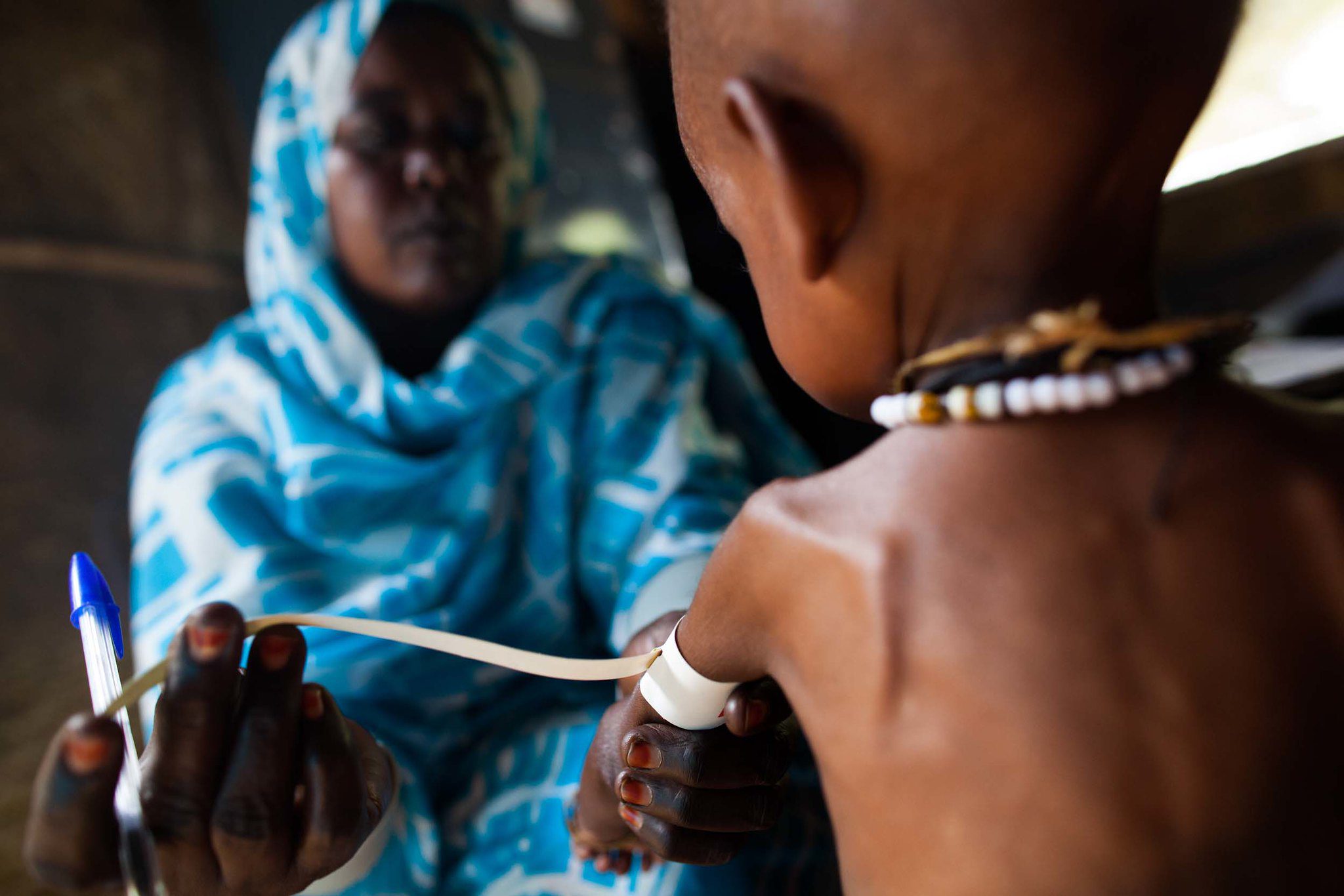
In South Sudan, the Commission on Human Rights concluded that starvation encompassed the denial of medical access as well as food. Government forces and members of armed groups deliberately blocked humanitarian relief or murdered aid workers, preventing the delivery of both food and medicines (paras. 66, 129, and 131). Malnutrition lowered immunity, leading to otherwise preventable deaths from infectious disease (para. 5). Overall, the Commission found that depriving civilians of medical supplies and access to treatment was an intentional component of the broader starvation method of warfare.
- Sexual and gender-based violence and control over human survival
Though not the crux of this contribution, from a structural perspective, the starvation war crime deprives civilians of their capacity to subsist, while sexual and reproductive violence deprives them of their capacity to recover and sustain community life. When these crimes reinforce one another, they reflect the same underlying aim of control over human survival through the destruction of survival conditions. What the law separates into starvation as a method of warfare, attacks on healthcare and CRSV/SGBV are, in practice, connected forms control over human life. Maybe seen this way, medical deprivation is not separate but part of this system. It links material subsistence (e.g., food, water, fuel) to biological continuity (e.g., safe childbirth, infection control, chronic-care medicine, etc). In contemporary (urban) siege warfare, there is often no substitute for vital medical objects such as insulin, antibiotics, oxygen, blood products, or the power or fuel that enables them. Treating these medical deprivation as outside the category of OIS misrepresents the ecology of conflict, including as documented by UN COIs.
Applied to sexual and reproductive violence, the same reasoning holds, as these crimes also target conditions indispensable to survival. The destruction of reproductive autonomy, through forced pregnancy, sexual slavery, or denial of obstetric care, undermines both individual dignity and collective recovery, while reproductive capacity functions like food or medicine in that it sustains life across generations. When it is deliberately or knowingly destroyed, it should be recognised as an attack on survival itself. Understanding these acts as survival crimes, aimed at the essence of civilian survival, helps explain (i) why they occur together, (ii) why they are often viewed under the under the “conditions of life” umbrella of extermination or genocide, and (iii) why their impact lasts long after the conduct of hostilities cease.
- Medical deprivation as OIS deprivation
While, as noted above, healthcare enjoys a distinct protective regime under IHL and ICL, its denial or destruction engages the starvation framework when it affects OIS. There is, therefore, a deeply compelling legal basis to treat healthcare and medicine as OIS, particularly where the obstruction, destruction, or deprivation places civilian populations at risk of death, severe injury, or irreversible harm, as we see in Gaza today.
This raises the central question: when, exactly, could medical deprivation fall within the starvation war crime framework as OIS deprivation, and when are attacks on hospitals, medical units, or the arbitrary denial of medicine governed solely by the legal protections specific to healthcare in conflict?
Medical units and supplies are already protected under IHL.[vi] Their classification as OIS under Rule 54 depends on context, and specifically, whether their loss would jeopardise civilian survival. A key determinant is whether their denial or destruction directly threatens civilian survival in a given context. The destruction of a small clinic, for instance, may not constitute an OIS violation unless that clinic is essential to the survival of the population it serves. Moreover, as the starvation war crime does not cover every deprivation but only those effected by the perpetrator with the intention of starving civilians as a method of warfare, the belligerent must have intentionally attacked the clinic on that basis.
The key distinction lies in both context and intent. The starvation war crime does not criminalise every form of deprivation, and therefore not every hospital or medical item automatically qualifies as OIS. This determination depends on whether its loss would directly undermine civilian survival. If the broader campaign involves the deliberate denial of OIS, then attacks on healthcare, when they contribute to that deprivation, may form part of the starvation crime. Where no such deprivation strategy is evident, healthcare attacks should be treated independently under the relevant protections afforded by IHL and ICL.
- Looking ahead
The functional role of medical care in sustaining civilian life can support its interpretation as OIS, including under IHL and ICL. Systematic medical deprivation can constitute the war crime of starvation when it operates through the destruction, removal, or rendering useless of OIS (medicine, medical equipment, fuel, electricity, and water systems powering care), coupled with the specific intent to “starve” civilians. While IHL affords healthcare its own protective regime, nothing in treaty text, the ICC Elements of Crimes, international case law (which, to date, is largely non-existent), or state practice precludes concurrent qualification as OIS where medical functionality is the hinge of civilian survival. Properly framed, the “services versus objects” objection also dissolves, and the starvation war crime paradigm targets the material underpinnings. The evidentiary point is that, when hospitals, supply chains, or fuel systems are deliberately attacked, destroyed, or rendered useless, what is being denied are the indispensable objects those services exist to deliver. Recent practice in (urban) siege campaigns underscore the doctrinal fit. The denial or destruction of healthcare and medicine in contexts like Syria, Gaza, or Tigray did not just happen alongside starvation, but rather formed a core part of the deprivation apparatus. Reframing medical deprivation as an overlapping yet distinct modality within the starvation war crime paradigm would most aptly ensure that healthcare denial or deprivation is viewed as part and parcel of an overall, strategic method of warfare aimed at th
[i] Under IHL, “essential supplies” refers broadly to items used for humanitarian relief consignments (AP I, Arts. 69-70; GC IV, Arts. 23, 55, and 59), while OIS is an explicitly protected category whose deliberate deprivation is prohibited (AP I, Art. 54(2); Customary International Humanitarian Law Rule 54).
[ii] Leading scholar Tom Dannenbaum has argued that liability attaches once a perpetrator knows deprivation will cause starvation, regardless of motive, while others may view the phrase “as a method of warfare” as requiring purpose. The debate raises a larger question about whether accountability should depend on declared intent, or on the foreseeable destruction of objects indispensable to survival (OIS).
[iii] “The Conference added removal and rendering useless of objects indispensable to the survival of the civilian population to the prohibition on their attack or destruction. With regard to rendering such objects useless, this refers mainly to irrigation works and installations.”
[iv] CDDH/III/SR.39, para. 30.
[v] A/HRC/34/64, paras. 25-40; A/HRC/37/72, paras. 71-75; A/HRC/38/CRP.3, paras. 44-50.
[vi] See, e.g., provisions such as Rules 28 and 29 of the ICRC Customary Law Study (reflecting Geneva Conventions I and IV) and AP I, Arts. 8 and 12.