This blog is part of the Sexual and Gender-Based Violence and Starvation program, which probes the intersection of the law of starvation and SGBV, with the goal of sharing expertise across currently siloed research and policy arenas. We aim to develop new ways of understanding, documenting and analyzing, preventing, responding to and punishing actors who perpetrate these harms.
Overview
This essay examines the multidimensional humanitarian crisis in Sudan, focusing on the pervasive impact of sexual and gender-based violence (SGBV) and the deliberate weaponization of food and essential services since the outbreak of conflict on April 15, 2023. The conflict has precipitated a catastrophic humanitarian situation, characterized by an unprecedented scale of internal displacement and profound food insecurity. A United Nations report estimates that 30.4 million people, nearly two-thirds of the country’s population, will require humanitarian assistance in 2025. [i] This study asserts that conflict-related violence is a primary driver of SGBV, which is systematically used to assert control and terrorize civilian populations, thereby perpetuating a cycle of crime and violence.
Methodology
The essay is based on a qualitative methodology utilizing analytical data from semi-structured interviews and questionnaires. Data were collected from humanitarian volunteers and aid workers operating in the states of Khartoum, Darfur, Sennar, Al-Damazin, and Gedaref. The temporal scope of the data collection spans from the beginning of the conflict in April 2023 through August 2025.
Findings
Since the war broke out in areas under the control of the Rapid Support Forces (RSF), incidents of rape and harassment have been perpetrated by military personnel and other groups due to the absence of divisions and looting incidents. Women and girls between the ages of 9 and 45 have been subjected to various forms of SGBV, including assault, harassment, and rape. According to an aid worker, many of these incidents were allegedly committed by forces controlling specific areas, notably the Rapid Support Forces (RSF).[ii] [iii] The documentation of these cases has been hampered by significant challenges, including security risks to victims and aid workers, as well as the need to maintain confidentiality to prevent unauthorized dissemination of sensitive information. Consequently, documentation was often conducted indirectly, with a focus on immediate victim support and evacuation to safer locations.
“Following incidents of sexual violence perpetrated by the Rapid Support Forces (RSF), the available interventions for survivors were limited to reallocation services and psychosocial support. Comprehensive data collection was not feasible due to prevailing security concerns in the region. While documented cases included both male and female survivors, male survivors’ cases were systematically underreported and inadequately documented due to associated social stigma and cultural barriers to disclosure.”[iv]
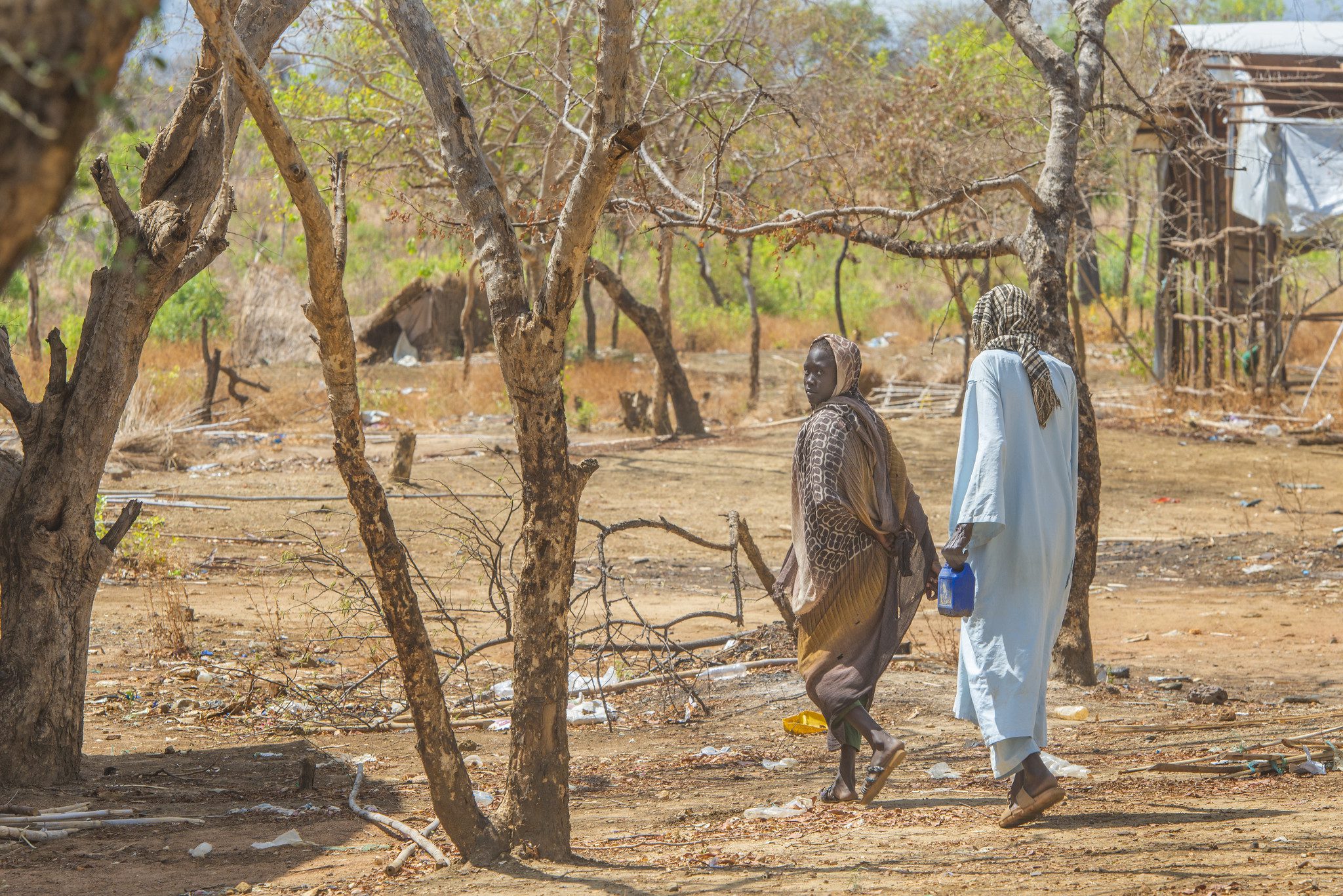
In areas under the control of the Sudanese Armed Forces (SAF), incidents of rape and harassment have been perpetrated not only by military personnel but also by civilian populations and other groups, in addition to documented cases of domestic violence against women and girls. The widespread displacement of citizens has led to the establishment of numerous IDP camps, predominantly populated by women and girls: “The majority of incidents occurred within displacement camps, where women faced exploitation by service providers while overcrowded conditions and inadequate privacy exposed girls to sexual violence and harassment.”[v] Within these centers, a new form of sexual violence has emerged: transactional sex for food and services. Documentation of these cases in areas controlled by the SAF has been complicated by legal and bureaucratic barriers, including complex filing procedures and the reluctance of medical professionals to sign reports due to threats.[vi] Additionally, social norms and stigma surrounding SGBV victims often impede victims’ willingness to report incidents.
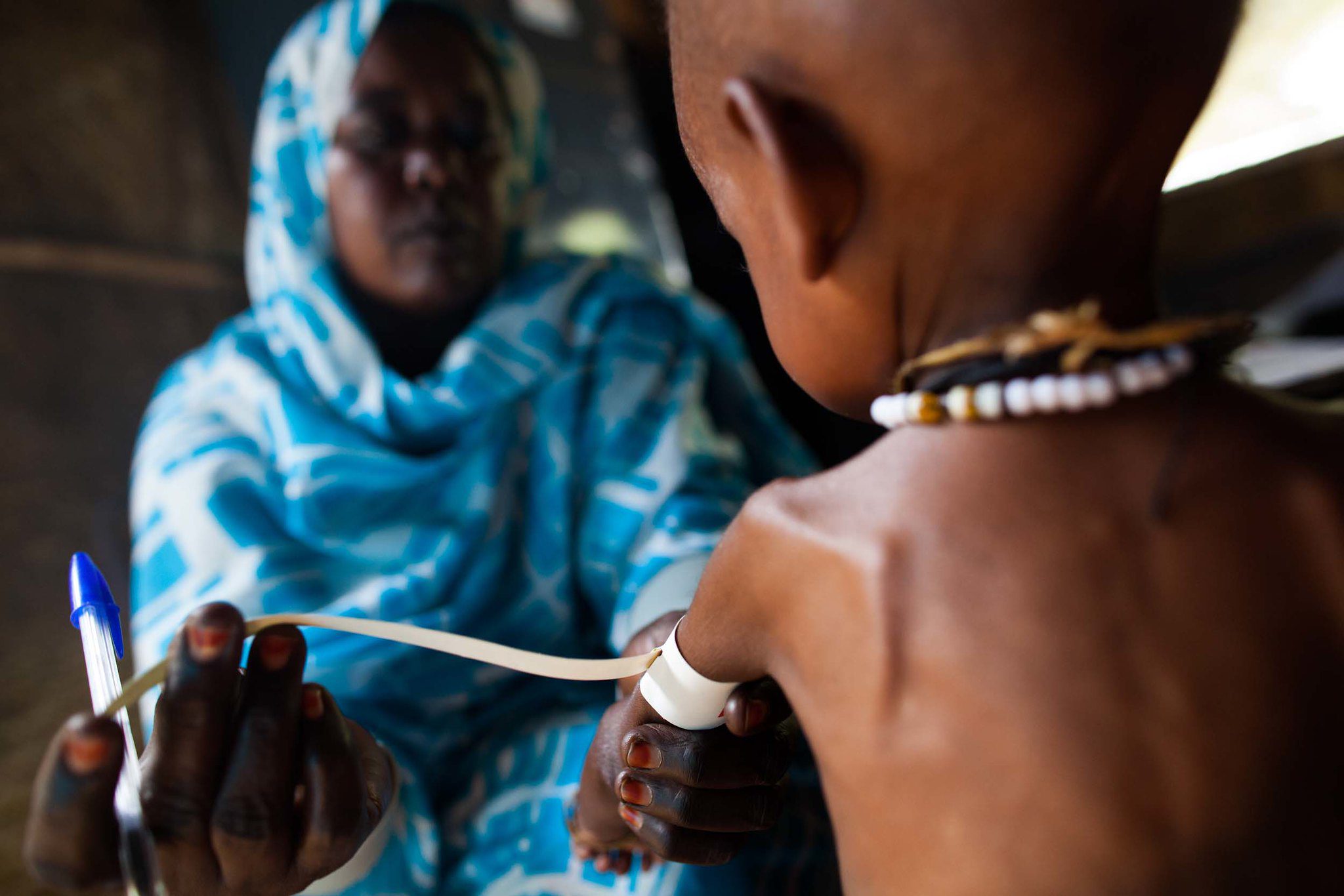
The conflict has also involved the weaponization of food and financial systems. The disruption of local telecommunication networks and the reliance on mobile banking for financial transfers—which was rendered inaccessible after the RSF cut internet services in February 2024—have severely inhibited aid organizations from receiving funds for communal kitchens — only “Starlink Satellite.”[vii] This has resulted in deliberate famine conditions in Khartoum and has led to documented cases of malnutrition, particularly among children. As of 2025, several states, including Alfashir in Northern Darfur and Aldaling and Kadogly in Southern Kordofan, are facing catastrophic famine conditions. In areas such as Alfashir, which is under siege, food is scarce and unaffordable, leading residents to resort to consuming animal feed.
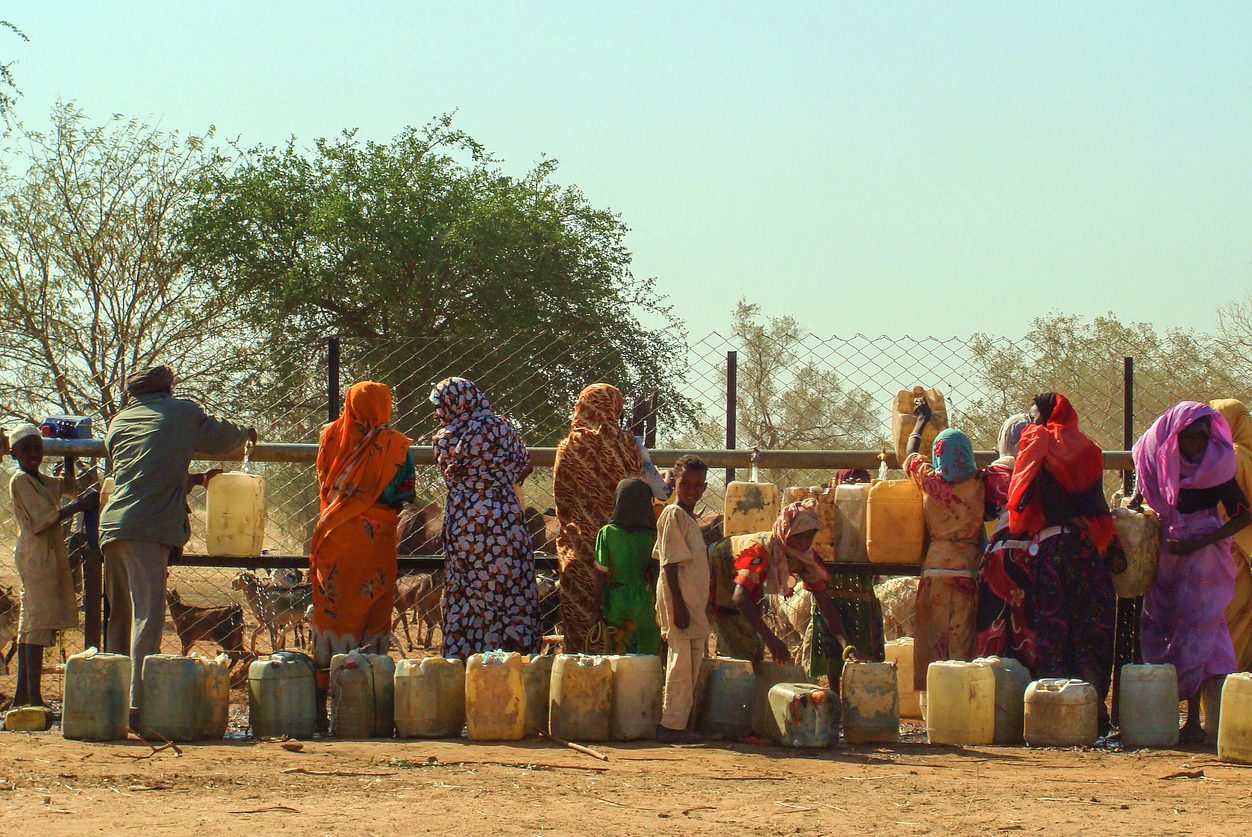
A significant number of citizens and internally displaced persons (IDPs) are unable to meet their basic needs due to the scarcity and prohibitively high cost of essential materials and food items. This situation has created opportunities for collusion between certain parties and traders to engage in the hoarding of sorghum and the sale of diesel at prices that exceed double the prevailing market rates.[viii]
Systematic disruption of food and financial systems has created deliberate famine conditions, widespread child malnutrition, and forced populations to consume animal feed for survival. This manufactured scarcity has devastating consequences beyond hunger, directly fueling gender-based violence as desperate women and girls are forced into transactional sex in exchange for food and basic services. The weaponization of essential resources creates a cycle of exploitation where vulnerable populations, particularly in displacement camps, face increased sexual abuse, harassment, and violence from both service providers and armed actors. Food insecurity becomes a tool of control, perpetuating systematic human rights violations and creating conditions where survival necessitates enduring sexual exploitation and abuse.
Recommendations:
- Support the existing women groups/ Initiatives: Women groups and initiatives are key components of any aid work on the ground, yet the support level among them and international bodies is not at the required level to create secure documentation protocols, train trauma-informed healthcare professionals, and establish safe reporting spaces for survivors.
- Coordination for sustainable impact: Enhance coordination mechanisms and reach out to channels with national bodies and grassroots groups to create rapid response systems and sustainable impact of aid and overcome any implementation barriers and communication barriers, eventually contributing to the localization of aid in Sudan.
- Establish women-only distribution points with female staff: Basically at working with the governmental bodies and national organizations that work in GBV and SGBV, involve community women groups in these points to enhance communication with the community and accessibility
[i] UN report: https://sudan.un.org/en/295667-un-sudan-annual-results-report-2024#:~:text=2024%20marked%20yet%20another%20challenging,country%20and%20across%20its%20borders.
[ii] Khartoum ERRs, “Interview”
[iii] Darfur ERRs, “Interview”
[iv] Seenar Women ERRs, “Interview”
[v] Aldamazen Aid Workers and women groups “Interviews”
[vi] Gadaref Aid Workers and women groups “Interviews.”
[vii] Starlink: https://en.wikipedia.org/wiki/Starlink
[viii] STPT: https://sudantransparency.org/sudan-conflict-monitor-22/, page 10