This blog is part of the Sexual and Gender-Based Violence and Starvation program, which probes the intersection of the law of starvation and SGBV, with the goal of sharing expertise across currently siloed research and policy arenas. We aim to develop new ways of understanding, documenting and analyzing, preventing, responding to and punishing actors who perpetrate these harms.
Introduction
The war in Tigray was fought with strategies of destruction aimed at dismantling the conditions of life itself. At the center of this assault were two interwoven methods: starvation and sexual and gender-based violence (SGBV). Women bore the greatest burdens because of their central roles as providers, caregivers, and reproducers — “identity makers,” as the Ethiopian and Eritrean soldiers often said.
This memo draws primarily on the testimonies I personally documented from survivors during the war. Their voices show how hunger and sexual violence intersected in everyday life — in decisions about food, survival, and dignity. These testimonies reveal starvation and SGBV as combined assaults that destroyed bodies, families, and community continuity, while leaving long-term physical, social, and psychological scars.
My findings resonate with broader analyses of the Tigray war. Kather and Khan (2023) frame the mutual reinforcement of sexual crimes and starvation as indicia of extermination; Goetz (2025) documents deliberate starvation policies; Fisseha et al. (2023) and Abraha et al. (2024) trace maternal and reproductive health collapse; Cone (2021) and HRW (2021) highlight blocked aid and sexual exploitation; New Lines Institute (2024) details the reproductive health toll and underscores coercion of sex for food. The July 2025 PHR/OJAH report confirms many of these findings and shows their persistence even after the Cessation of Hostilities Agreement (CoHA).
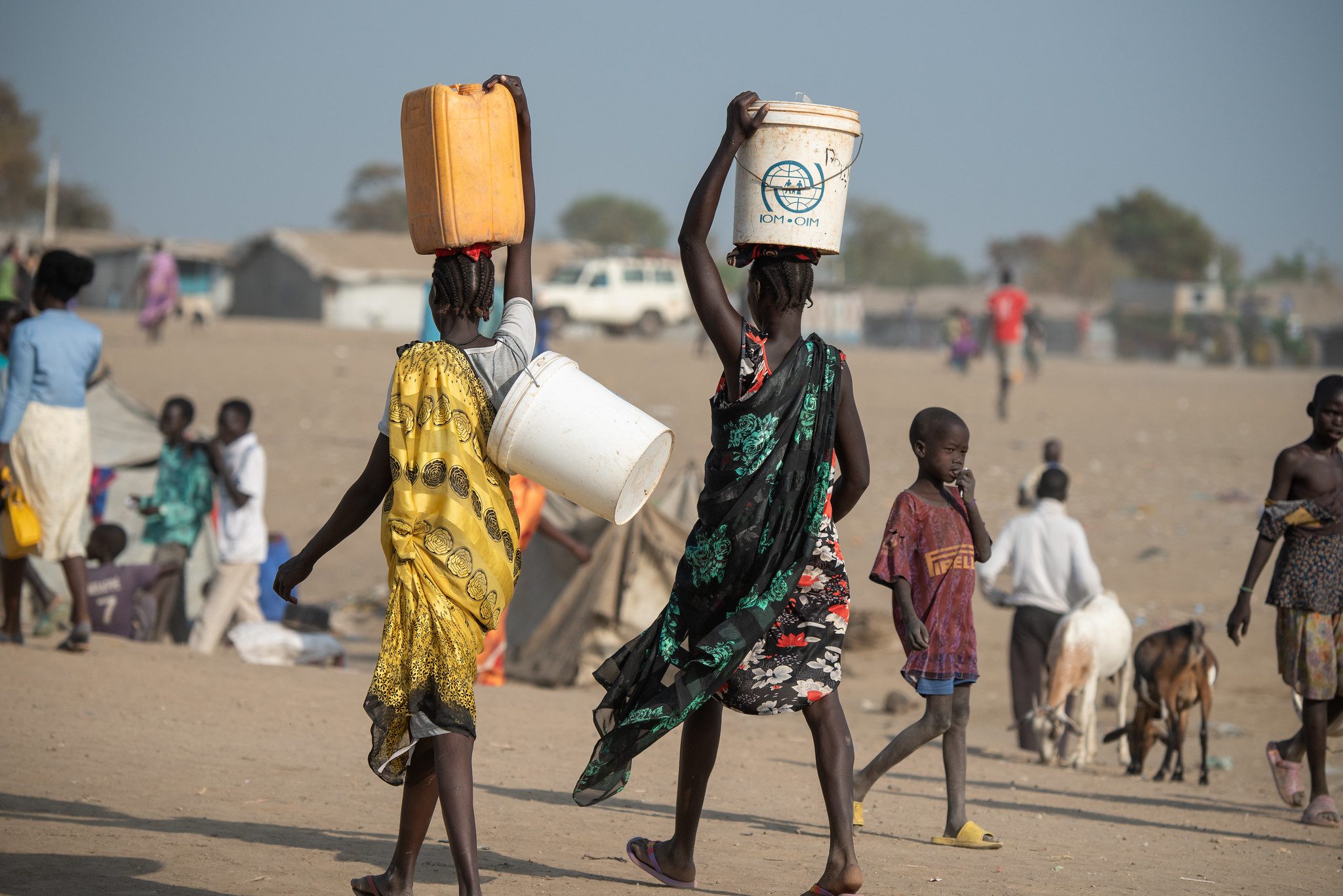
Survivors repeatedly described to me how starvation was used to break them down physically, psychologically, and socially. Women recounted walking long distances for food or firewood under siege conditions, knowing they risked assault. One mother from central Tigray explained:
“When there was no food, I had to go far. Soldiers caught me, raped me, and they took everything. They told me, ‘Go back and watch your children starve.’”
Her words capture how deprivation was deliberately weaponized .At this point starvation was not simply lack of calories but a means of humiliation, coercion, and control.
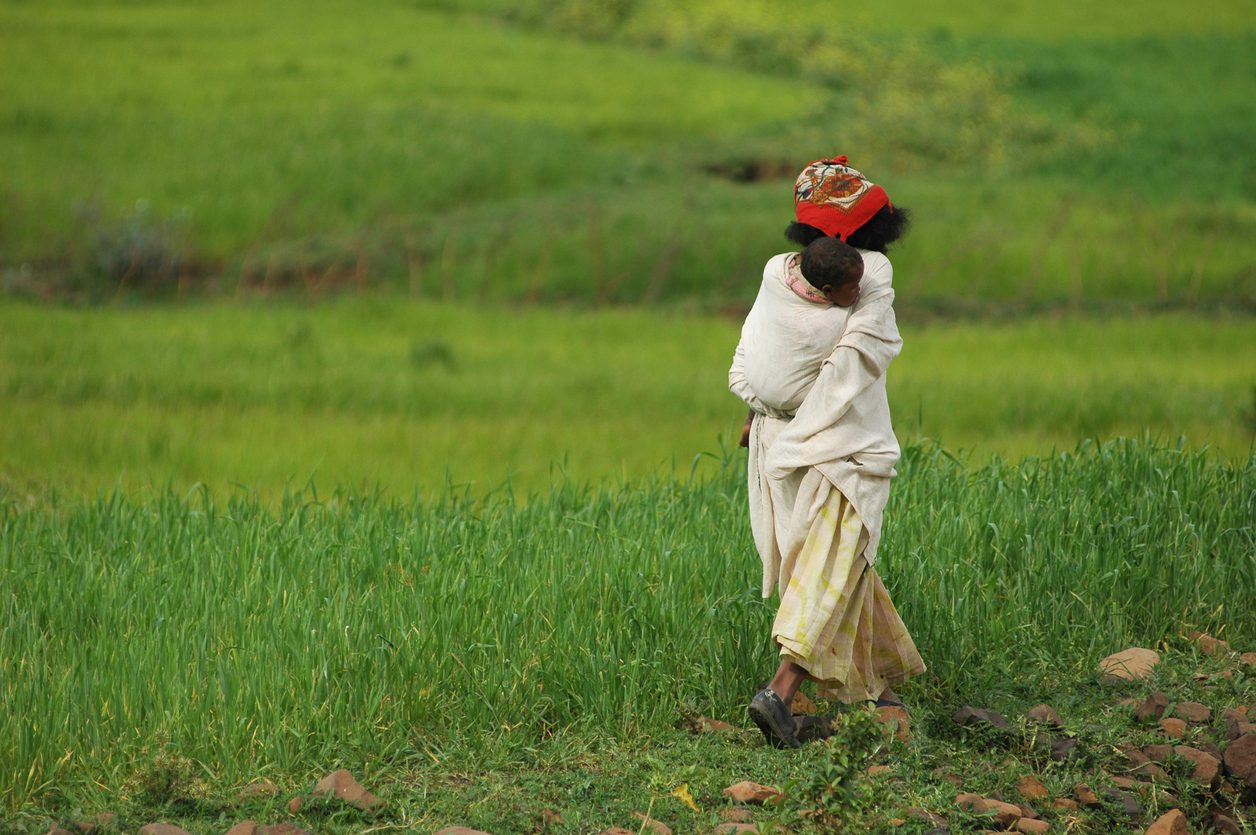
Starvation’s effects were profoundly shaped by sex, gender, and age. Women, because of their caregiving and provisioning roles, carried disproportionate burdens. Several pregnant and lactating women told me of watching their children weaken because they could not breastfeed while starving themselves. Girls and adolescents were forced into coerced sex or marriage to secure food for their families, while elderly women were left behind during displacement, unable to travel to find sustenance. These stories reveal that the Tigray starvation magnified pre-existing inequalities so called the patriarchal system, placing women and girls at greatest risk of both immediate harm and long-term consequences.
The collapse of health systems magnified these effects. Survivors described to me children dying because hospitals had no formula, incubators, or medicine. Pregnant women including my close family member went into labor in conditions of extreme hunger, often dying from complications that would have been preventable before the war. Fisseha et al. (2023) report that nearly 90 percent of households with pregnant women were food insecure, while Abraha et al. (2024) found maternal deaths soared as institutional deliveries fell by 40 percent.
In this context, starvation created a coercive environment. Survival itself became contingent on impossible decisions: risking rape to search for food, marrying off daughters for rations, or engaging in transactional sex. What emerged from my research is that women were systematically targeted through their roles as providers and mothers — making starvation a gendered weapon of war designed to collapse both survival systems and social identity.
Sexual and Reproductive Violence as a Genocidal Tool
From my documentation, sexual violence was systematic. Women described gang rapes, forced impregnation, forced abortions, and verbal assaults framed in ethnic hatred. A widow told me that after killing her husband, soldiers gang-raped her and inserted objects into her body, telling her she would never bear children again.
Reproductive violence was especially devastating. Many survivors I interviewed suffered fistula, chronic vaginal discharge, and nerve damage from repeated rapes. Others reported untreated infections that developed into cervical cancer, infertility, and life-long pelvic pain. These conditions left women unable to work, walk long distances, or carry water. Some could no longer bear children. One survivor told me: “I am leaking all the time. I cannot sit with others. I cannot carry my child. I am no longer a wife, no longer a mother.”Such consequences extended beyond physical injury. Survivors described “losing themselves” — as mothers, as persons, and as women. Their identity and dignity were attacked along with their reproductive capacities.
To complement these findings, other testimonies reveal the scale of brutality. One survivor recalled: “Fourteen Eritrean troops came to our house and closed the doors. All 14 raped me alternately.” Another explained: “They told me, ‘Your womb should never carry a Tigrayan child again,’ and they twisted metal rods inside me until I bled.”
These stories underline that rape in Tigray was under orders — a systematic campaign to destroy the reproductive capacity and implment intergenerational crisis of a group.
The Nexus of Starvation and SGBV
The strongest theme in my testimonies is the fusion of hunger and violence. Women explained how hunger weakened them, leaving them unable to resist assault; rape injuries left them immobile, causing their children to starve alongside them. Others described coerced sex or marriage as survival strategies when starvation left no other options.
One teenage girl (14years old) in Shire told me she accepted coerced marriage to feed her siblings:
“I didn’t want to marry. But my brother and sister were hungry. He gave me teff and oil so we could eat.”
Cone (2021) found similar patterns of sexual exploitation linked to food aid and survival. New Lines Institute (2024) documents how reproductive injuries went untreated, while stigma turned survivors into outcasts, stripping them of food and shelter. These accounts show us how SGBV, reproductive violence, and starvation interacted as deprivation. Deprivation encompassed reproductive harm, social exclusion, and psychological trauma. Women’s reproductive capacity — the ability to carry children, nurse them, and remain socially recognized as mothers — was deliberately targeted. This was an assault on both individual bodies and the survival of the community. If infants cannot be carried to term or fed, and if mothers are stigmatized and abandoned, then survival systems collapse. Reproductive capacity must be understood as indispensable to survival, as essential as food, water, or shelter. This is a critical lesson for how we think about starvation crimes.
The coercive environment produced by siege and violence hollowed out agency. Survival itself became contingent on surrendering one’s body. Women were forced into what we call “negative coping strategies”: coerced sex, child marriage, or silence about injuries — decisions made under extreme duress.
Consequences Across Time Scales
Immediate. Survivors endured rape, hunger, untreated injuries, and miscarriages. Some described perpetrators withholding food or water during assaults. Mothers immobilized by injuries recounted watching their children starve beside them. Hunger and rape collided in the same moment, with physical and psychological destruction compounding.
Medium-term. In IDP camps, survivors faced unsafe shelters, chaotic aid distributions, and renewed risks of coercion. Aid became a site of exploitation, with women reporting sexual pressure linked to food access. Families made impossible choices: mothers gave daughters into coerced marriages to secure food, and adolescents entered transactional relationships to keep siblings alive. Starvation shaped the context in which sexual violence flourished, while sexual violence deepened the deprivation that forced reliance on such strategies.
Long-term. The most devastating consequences emerged over the past five years. My findings show that reproductive injuries and starvation combined to cause fistula, infertility, chronic discharge, cervical cancer, long-term pelvic and nerve pain, and disability. Survivors lost their ability to farm, fetch water, or care for children. Others lost the possibility of motherhood altogether. Women described feeling they had “lost themselves” — not only in physical ability, but as mothers, as persons, and as women.
The social consequences were equally severe. Stigma marked survivors and children born of rape as “unclean,” embedding exclusion into community structures. Many were abandoned by husbands or ostracized by relatives. Survivors described loneliness, poverty, and despair, which for some culminated in suicide.
Intergenerational. The damage also carried into the next generation. Maternal malnutrition produced infants too weak to survive; maternal hunger directly harmed newborns, maternal deaths accounted for nearly a third of reproductive-age deaths. Children born of rape were stigmatized, denied belonging, given another name, catagory and left as living reminders of violence. Trauma and deprivation thus became legacies, shaping the futures of families and the very continuity of Tigrayan society.
Distinctive Features of the Tigray Context
What makes Tigray stand out is the explicit exterminatory intent behind starvation and reproductive violence. Survivors consistently recalled perpetrators declaring: “Your womb should never carry a Tigrayan child again,cleaning/purifying Tigrian blood” Such statements, combined with systematic mutilation and forced impregnation, show that attacks on reproductive capacity were central to the war strategy. this convergence of starvation and reproductive violence provides strong indicia of extermination and genocide.
Another distinctive feature was the public and ordered nature of rape. Women were assaulted in front of husbands, children, and neighbors, ensuring humiliation of the entire family and community. This was not opportunistic violence — it was rape under orders, designed to terrorize, fragment social bonds, and destroy identity.
Accountability and Justice Dimensions
The women I spoke with often told me they felt silenced, abandoned, and invisible. Many avoided humanitarian aid out of fear of stigma. Others described injuries that left them unable to work or care for their children. Justice, for them, cannot mean trials alone. It must mean survival with dignity and living a normal life .
Justice for survivors of Tigray must begin by listening to them — giving their voices authority in how justice is imagined and delivered. Too often, survivors are treated as sources of evidence rather than as people who should shape what accountability looks like. Their testimonies show that justice must value life in its full dimensions: food, health, family, dignity, and belonging.
A justice system that takes this seriously would have several layers. At the legal level, it must recognize that starvation and reproductive violence are inseparable crimes and prosecute them together. At the reparative level, it must provide survivors with food security, safe housing, and livelihoods, so they are not left to beg or depend on exploitative relationships. At the medical level, it must deliver specialized reproductive health care, including treatment for fistula, infertility, and chronic injuries. At the psychosocial level, it must ensure survivors have access to trauma care, counseling, and community reintegration, so stigma does not compound their wounds. Justice must also be about restoring dignity. For survivors who feel they “lost themselves” as mothers, women, or community members, justice should offer recognition that what was done to them was not their shame but a crime. Their voices must be heard at the center of any process that seeks accountability.