This blog is part of the Sexual and Gender-Based Violence and Starvation program, which probes the intersection of the law of starvation and SGBV, with the goal of sharing expertise across currently siloed research and policy arenas. We aim to develop new ways of understanding, documenting and analyzing, preventing, responding to and punishing actors who perpetrate these harms.
In Sudan, war, SGBV and starvation manifested structural interdependence, with each amplifying the other in a vicious cycle. Two stories illustrate these relationships.
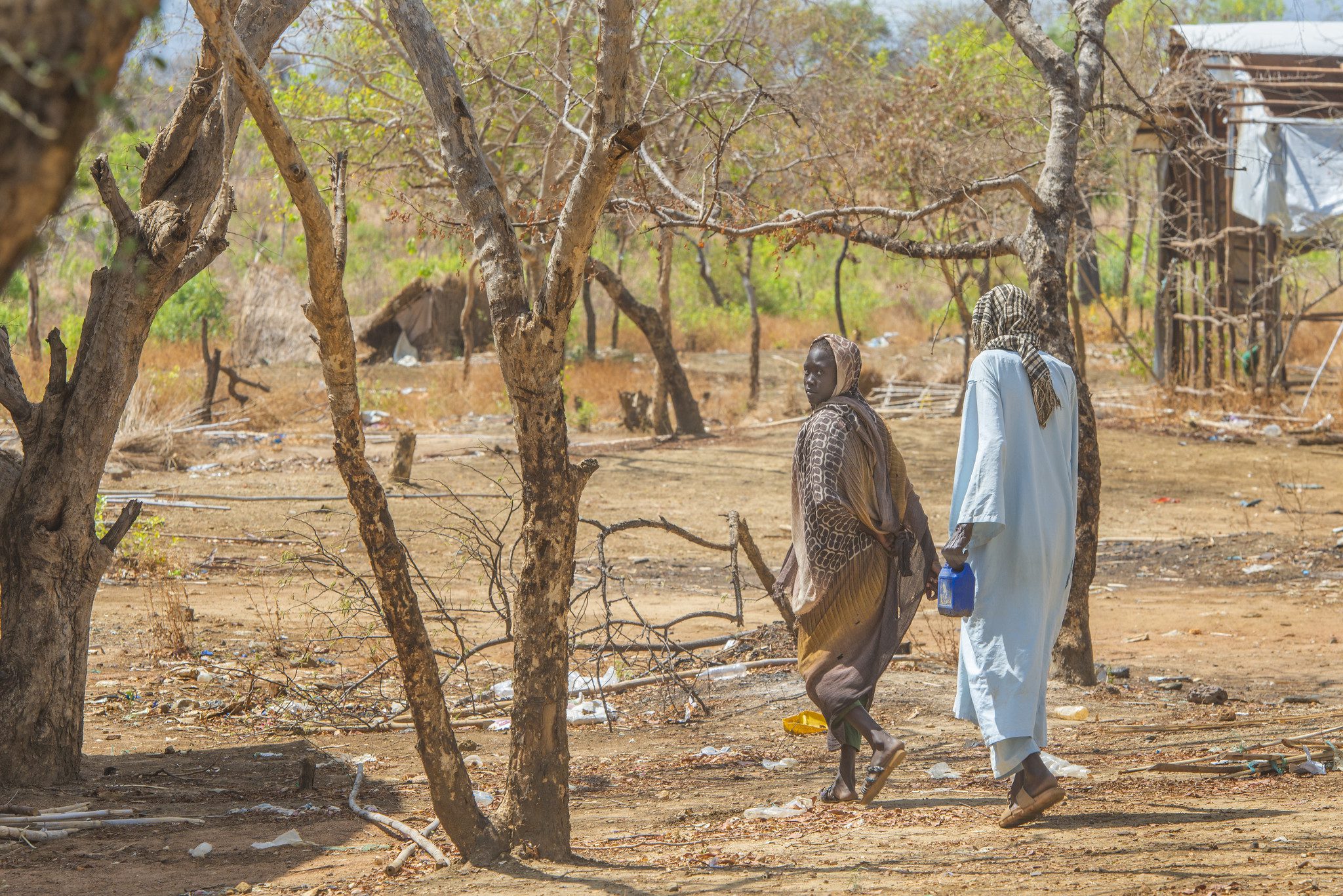
Maryam is 13 years old and from the Masalit ethnic group. She was living in Aljenaina- Western Darfur, when militant men entered her house, and killed her older brother and her father. She fled with her grandmother and her mother, they traveled for days until they arrived in a village where they thought its safe. She went to fetch wood for fire and was attacked and raped by a two militant men, the other girls with her ran away and escaped the attack. She was assisted by women and men from the village. Her mother took her across the border into Chad, trying to find safety refugee camp. In the camp they found that food is scare and the setting is unsafe. They can’t grow food as they did when they were in Al Jenaina. In the camp, they don’t even eat one full meal a day and have received no medical or psychological support.
Aljazera is an agriculturally rich settlement. People were self-sufficient in food production, and they would sell the surplus and cash crops. When the RSF attacked villages and cities, they committed mass rape, and families started to run away to try and protect their girls. The RSF used rape as a means to terrorize entire communities. In one case, the RSF entered a village and captured on older man and his family. The RSF forced the older man to watch as they gang raped four of his daughters front of him, the youngest of who was 12 years old. Based on this violence and terror, the rest of the villagers ran away, traveling for days to reach a displaced camp. When they arrived, there was little food and, already in a weakened state, some of them died upon arrival, especially the younger children.
In the second case, the RSF invaded a village, entered peoples’ homes, and elected girls they would forcibly marry. They ordered the villagers to prepare the girls to be forcibly married to them the next day. The whole village population fled during the night taking with them almost nothing; they ran for their lives, their dignity and to protect their girls. The areas they fled through had no food or water.
In the above stories, we can see the clear connection between conflict, starvation, and SGBV and CRSV. We see how war leads to the collapse of food system, resulting in hunger, food insecurity and in some cases starvation. We see how war leads to displacement, which will lead to scarcity of food due to system collapse, loss of assets, loss of livelihoods, and impoverishment. We see how displacement destroys the system of social protection (community relationship and normally created naturally in every community to protect the vulnerable).
The relationship between SGBV, CRSV, and Starvation is circular- one worsens the other:
- Displacement separates people from food systems and social protection, leading to starvation.
- Starvation leads to desperation, which can result in “sex for food” and exploitation.
- SGBV causes stigma, physical injury, and trauma, which lead to isolation and reduced ability to work or gather food.
- Pregnancy resulting from rape brings stigma, limits mobility, and increases nutritional needs.
- Food scarcity often fuels domestic violence.
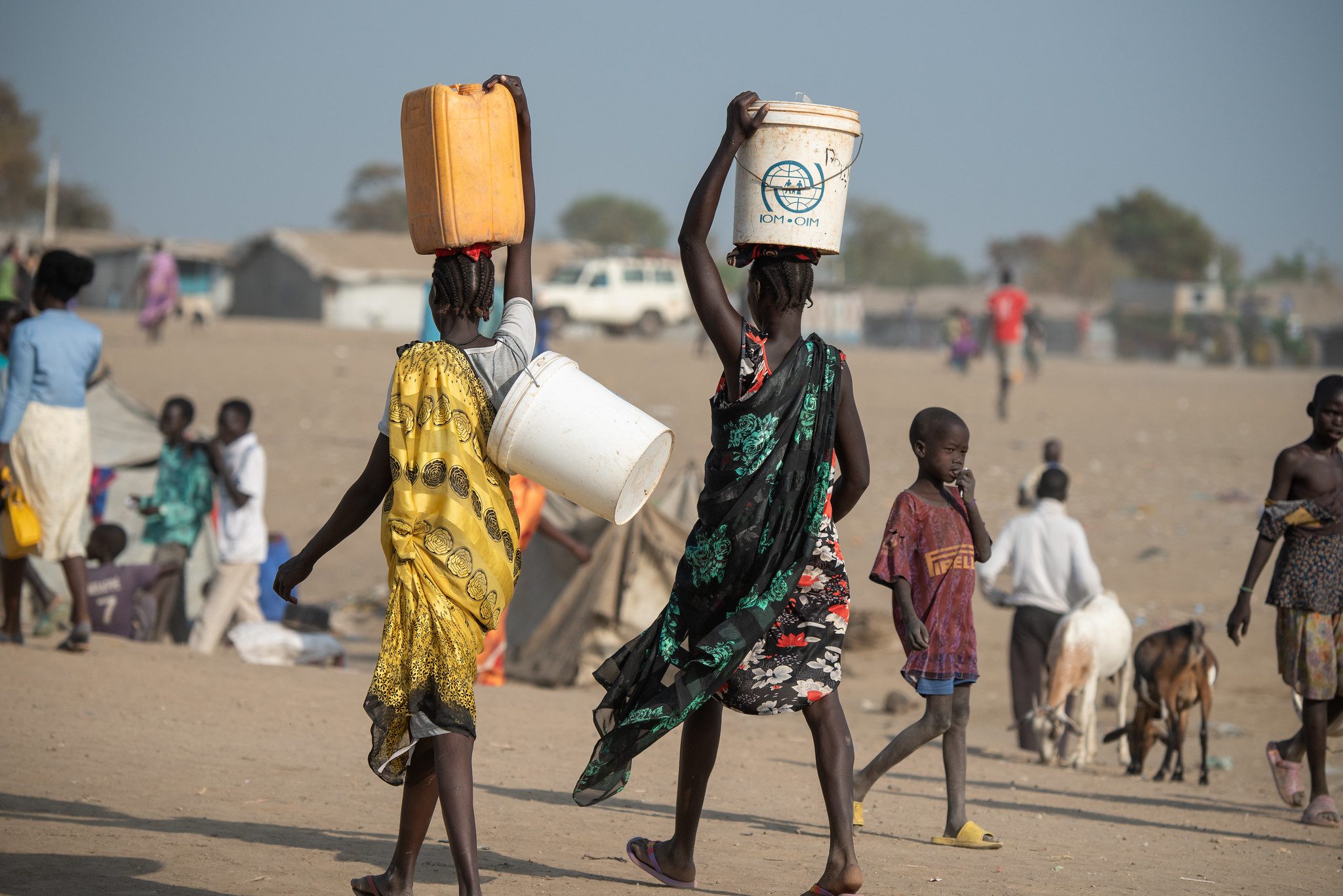
- Long-distance searches for food expose women and girls to attacks.
- Disempowerment and loss of livelihoods lead to forced or early marriage as a survival strategy.
Where are we now, as Sudanese women?
In Sudan today, hunger and violence are not separate emergencies—they are two blades of the same weapon. One cuts the body; the other wounds the soul. For Sudanese women and girls, survival too often means choosing which pain to endure.
For the record, not a single court in Sudan has ever indicted these crimes—not during the wars in South Sudan, the Nuba Mountains, nor in the current conflict. The International Criminal Court (ICC) has indicted only Omar al-Bashir and Ahmed Haroun, and both remain free today.