Objective
Over the past year the landscape for either a peacebuilding and humanitarian response has significantly changed as the result of shifting gender-related polices of the United States government. Until the second administration of Donald Trump, which began in January 2025, “gender” was widely accepted in academia and in policy circles as a dynamic organizing principle of society. Gender has been long considered a learned set of behaviors about female and male expectations embedded in the family, community and institutions. Gender has also been widely accepted as inclusive of non-binary individuals. Today, the acceptance of this broader definition of gender is being highly challenged.[1]
Amid these deep changes, the Women, Peace and Security (WPS) agenda, a global policy created 25 years ago through the mechanism of the United Nations Security Council Resolution 1325, continues to focus on the importance of a gendered lens in all aspects of the peace and security policy portfolios. Even the U.S., which created the WPS Act of 2017, has funding appropriated for FY 2026 to implement the law. Nevertheless, will it allow for expanding the lens of WPS to also address the increase in conflict-related reproductive violence and intentional starvation as documented over the past several years in Sudan, Gaza and Tigray. This was one of the central questions of the workshop in October 2025 at Tufts University funded by the World Peace Foundation. The following essay seeks to outline some considerations moving forward.
- Continue to advance global policies with a gendered lens
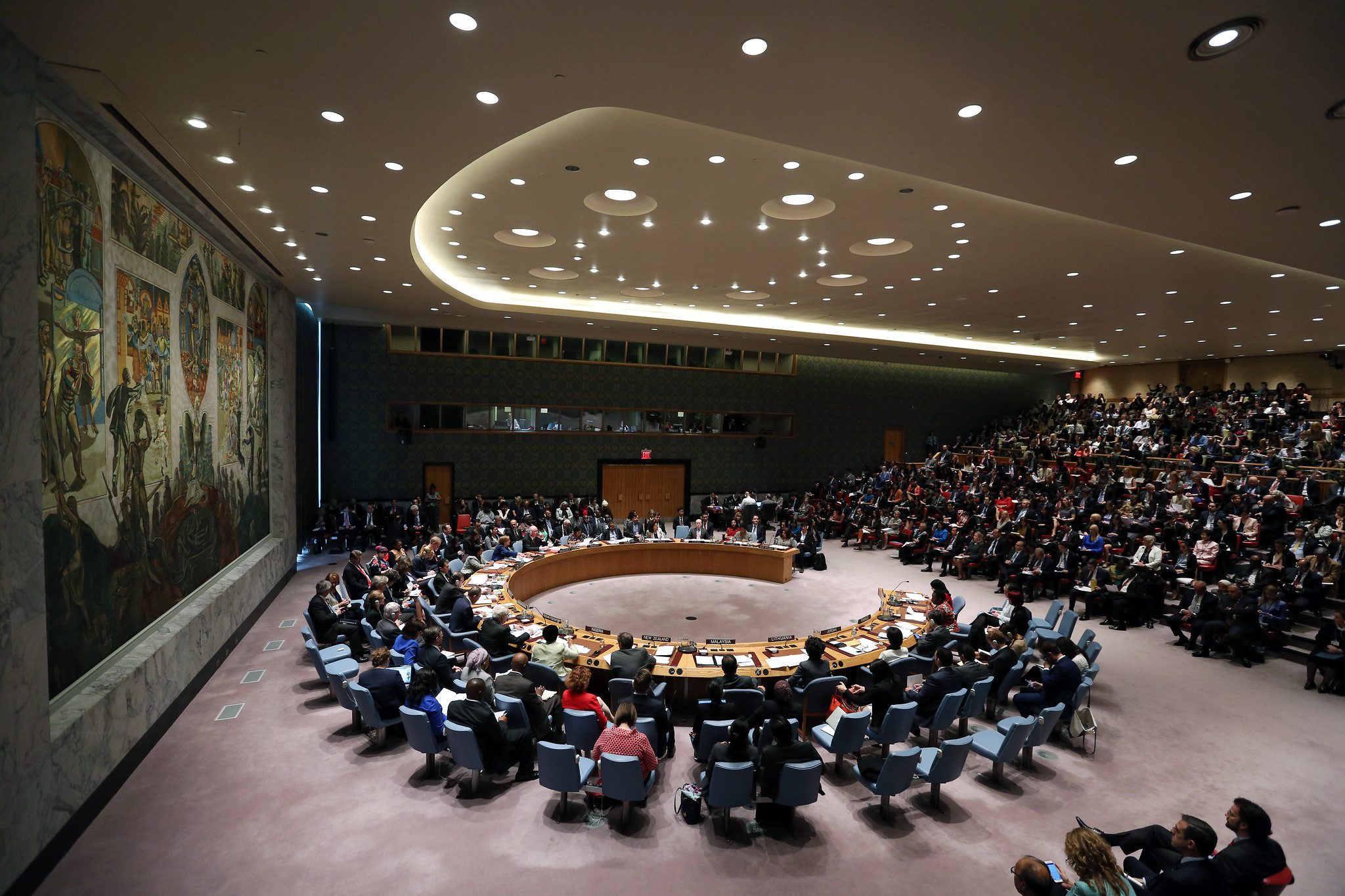
The WPS community, which includes civil society and approximately 83 participating country governments with national action plans, has succinctly shaped the UN Security Council debates around the critical role women play in war and in peace. Since 2000, UNSCR 1325 has been bolstered by ten other resolutions that address specific concerns including conflict-related sexual violence (CRSV), violent extremism, and survivor-centered approaches. It is within this toolkit of resolutions lies the most likely path for integrating issues of reproductive violence and intentional starvation into the Women, Peace and Security (WPS) agenda.
Given the breadth of the 1325 family of resolutions already on issues that specifically focus on women, the argument for including protection mechanisms for starvation crimes and reproductive violence into the WPS agenda is not only well-founded but also timely. However, key questions to address these serious crimes include how to integrate such a gendered analysis into sanctions, peace agreements and negotiations on humanitarian access, especially as U.S. policies on “gender” become more and more narrow and politicized. A more inclusive gender lens is necessary to begin to understand the gendered dynamics of intentional starvation and its impacts on fetuses, both male and female. This raises questions about how the global community will address international criminal accountability, and given the closing gender space for public debate, how will it acknowledge the gender-related aspects of starvation.
- Integrate starvation and reproductive violence research with the conflict-related sexual violence research
Since 2008 with the passage of resolution 1820, the study of conflict-related sexual violence (CRSV) has been a critical part of the WPS agenda.[2] Research has enhanced the complex picture of its triggers as well as its points of prevention. In most of the current CRSV academic or policy literature, however, starvation crimes and/or reproductive violence are not often considered by researchers focused on extreme conflict spaces. This is a blind spot in advocacy, scholarship and policymaking.[3] In the U.S. example, the WPS Act of 2017 does not address either starvation crimes or reproductive violence. Reproduction and reproductive violence issues are much more politically contentious in the U.S., thus designers of the WPS Act understood that keeping the plan focused on issues of protection in peacekeeping and peacebuilding, namely CRSV, would allow for more direct collaboration across existing political differences, especially on issues such as abortion.
Integrating a focus on starvation and reproductive violence into the analysis of conflict is essential for understanding the complex web of human actions that exacerbates the situation for women and children during war. It is important to note that CRSV within peacekeeping missions encompasses reproductive violence, especially forced pregnancy, forced abortion, enforced sterilization, and forced marriage. Expanding this definition to incorporate the denial of food and medical care during pregnancy and lactation represents an initial effort by the WPS community to broaden the understanding of reproductive violence beyond forced pregnancy or sterilization. Recent scholarship now highlights the reproductive consequences of starvation.
- Dedicate scholarship to framing starvation and reproductive violence as a means of gendered violence
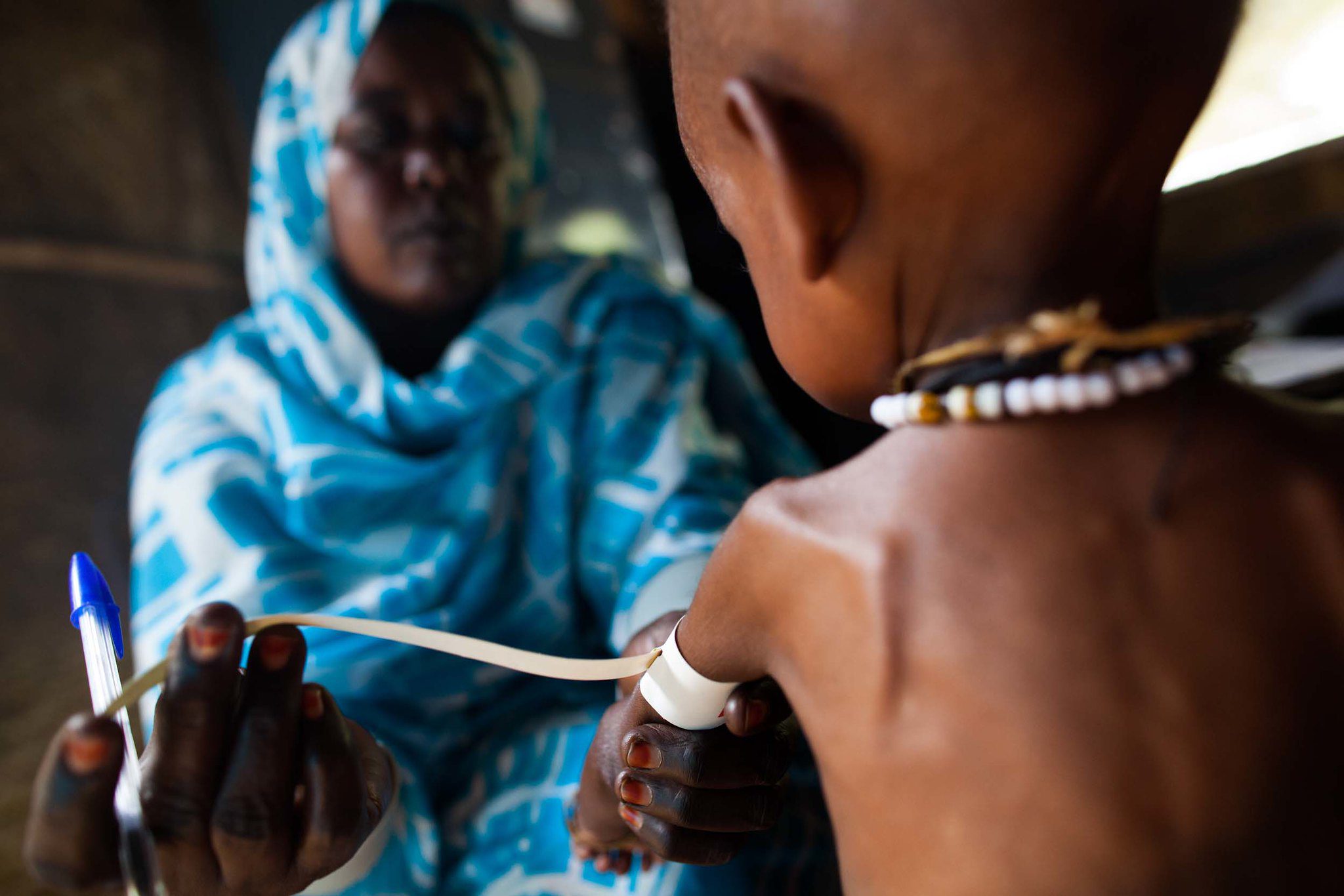
As academic literature has documented, starvation is not only a humanitarian crisis but a manmade situation, using coercive methods of intimidation with the aim of control in conflict settings. Likewise, reproductive violence can be a spontaneous effort during war or one much more intentional especially when an opposing force limits food and medical care of women during pregnancy and post-birth.
One approach to including these issues into the WPS agenda is to develop a five-year plan, like the Missing Peace Initiative, an international partnership established in 2012 to expand the scholarship of CRSV and to educate policymakers about this form of violence. In the case of the Initiative, it has allowed academia to systematically support and fund a network of scholars around these concerns and building a more fruitful relationship between researchers and policymakers. Developing data collection methods to count and document the incidence of these crimes is critical to integrating these other forms of violence into the WPS portfolio.[4] This step is often not fully considered when new academic research brings forward critical concerns, particularly as it relates to humanitarian and conflict-related impacts.
- Elevate survivor-centered approaches
A commitment to scholarship and expanding the policy lens are both critical but these efforts must also be infused with strong survivor-centered approaches toward understanding how the intersection of starvation, CRSV, and reproductive violence is experienced in daily survival strategies.
Educating civil society, both locally and globally, is vital for addressing the legal issues for victims and ensuring that there is a long-term plan for supporting survivors and meeting their needs.[5] WPS communities have largely overlooked complex forms of conflict like starvation and reproductive violence, which ethnographic research may better unpack. Focusing only on CRSV can obscure broader social challenges faced by victims, many who include to be men, boys and non-binary gender identities. The WPS agenda has been long criticized for not applying a broader gendered lens to conflict—a problem that is unlikely to be resolved soon given the current political resistance and erasure of “gender” as a unit of understanding.
- Expand the lens on starvation crimes and its impacts on reproductive violence
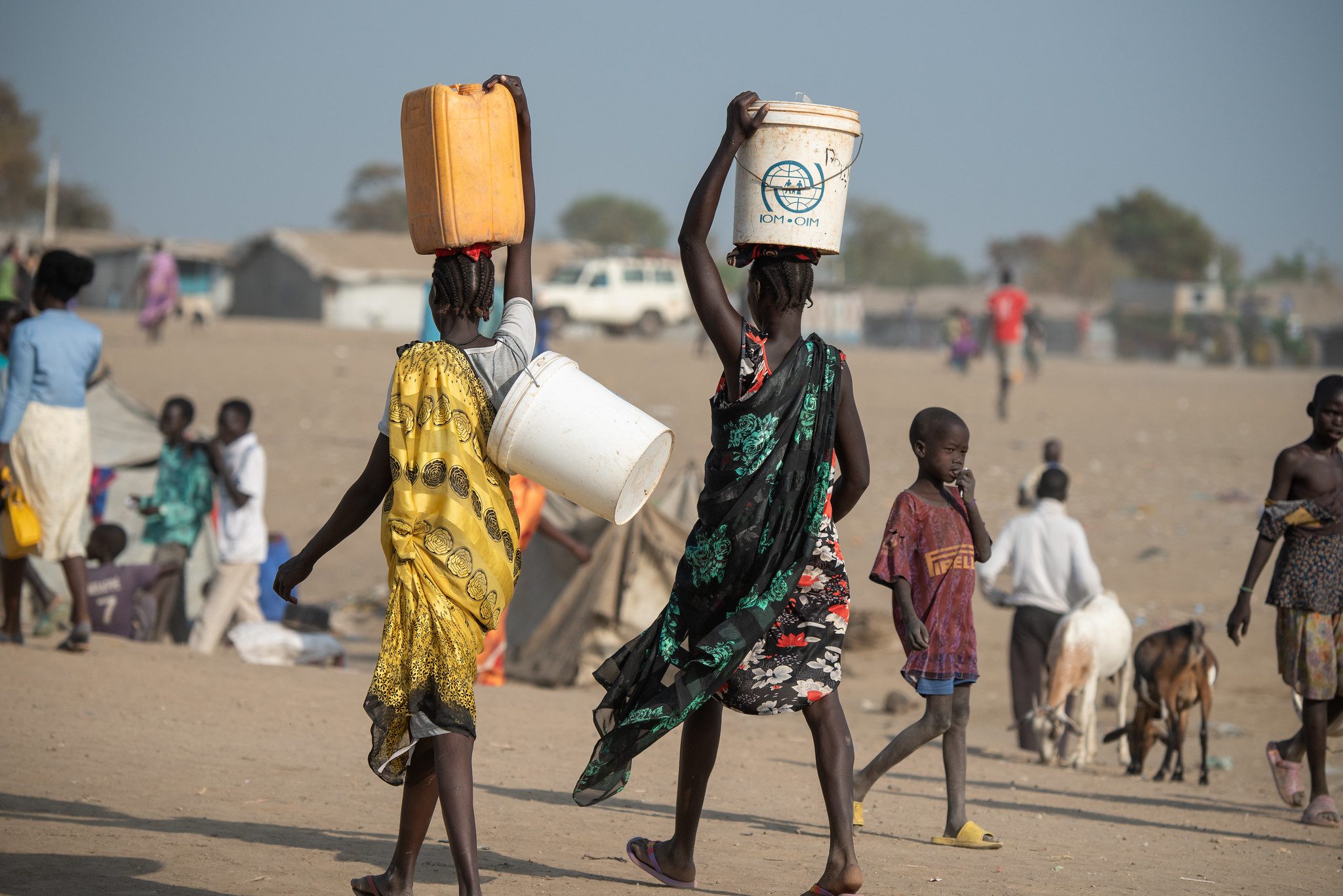
Among the many issues in this complex social disruption of mass starvation, women often must perform for food, including exchanging sex for food and finding themselves in extremely life-threating and vulnerable positions such as foraging for food and water, and thus, a victim of propinquity—wrong time, wrong place. Unlike CRSV, where forced pregnancy is the focal point of reproductive violence, starvation crimes need to document the behaviors that occur during such desperate predicaments, where conflict violence and criminal violence overlap. As previously noted, data collection and “counting” must include more than the number of incidences of sexual and/or reproductive violence, it needs to also encompass ethnographic narratives to better understand the ambience, the threats, and the decisions those under duress face.[6]
The academic and policymaking communities of public health, gender studies, and women’s reproductive studies, to name several, must continue to educate and build awareness around these reproductive violent impacts. WPS practitioners need to continue to advocate for international safeguards and legal protections to recognize reproductive violence in a wider framework, including how extreme food deprivation impacts reproductive health and the health of the fetus.
In conclusion, the international academic institutions are even more important in the effort to safeguard research as American institutions experience real and long-term limitations placed upon scholarship focused on gender, violence and protections. Building a sustainable community of researchers, practitioners and policymakers is the most effective and efficient path forward as the world changes.
[1] See Anonymous, The Future of Women, Peace and Security Belongs to America’s Allies, December 16, 2025, GIWPS. https://giwps.georgetown.edu/2025/12/16/the-future-of-women-peace-and-security-belongs-to-americas-allies/ (Jan. 14, 2026)
[2] Cohen, Dara Kay & Elisabeth J. Wood (2025) Wartime sexual violence: Recent research findings and their implications. The Missing Peace Series: Understanding Conflict-related Sexual Violence through Research, Policy and Practice: 1. Oslo: PRIO. https://www.prio.org/publications/14578
[3] Aoláin, KC, Fionnuala Ní Aoláin (2025) The relevance and reinvigoration of the Women, Peace and Security agenda. The Missing Peace Series: Understanding Conflict-related Sexual Violence through Research, Policy and Practice: 3. Oslo: PRIO. https://www.prio.org/publications/14580
[4] Kishi, Roudabeh (2025) Counting and documenting conflict-related sexual violence: Data and methods. The Missing Peace Series: Understanding Conflict-related Sexual Violence through Research, Policy and Practice: 4. Oslo: PRIO. https://www.prio.org/publications/14668
[5] McHale, Thomas, Payal K. Shah, Lindsey Green, Maram K. Haddad, Suzanne Kidenda, and Karen Naimer ((2025) Documenting for justice: Physicians for Human Rights’ evidence-based and survivor-centered model for accountability for conflict-related sexual violence. The Missing Peace Series: Understanding Conflict-related Sexual Violence through Research, Policy and Practice: 5. Oslo: PRIO. https://www.prio.org/publications/14667
[6] Crawford, Kerry F. (2025) Grappling with a weapon: The Politics and policies of conflict-related sexual violence at the United Nations Security Council. The Missing Peace Series: Understanding Conflict-related Sexual Violence through Research, Policy and Practice: 2. Oslo: PRIO https://gps.prio.org/publications/1404