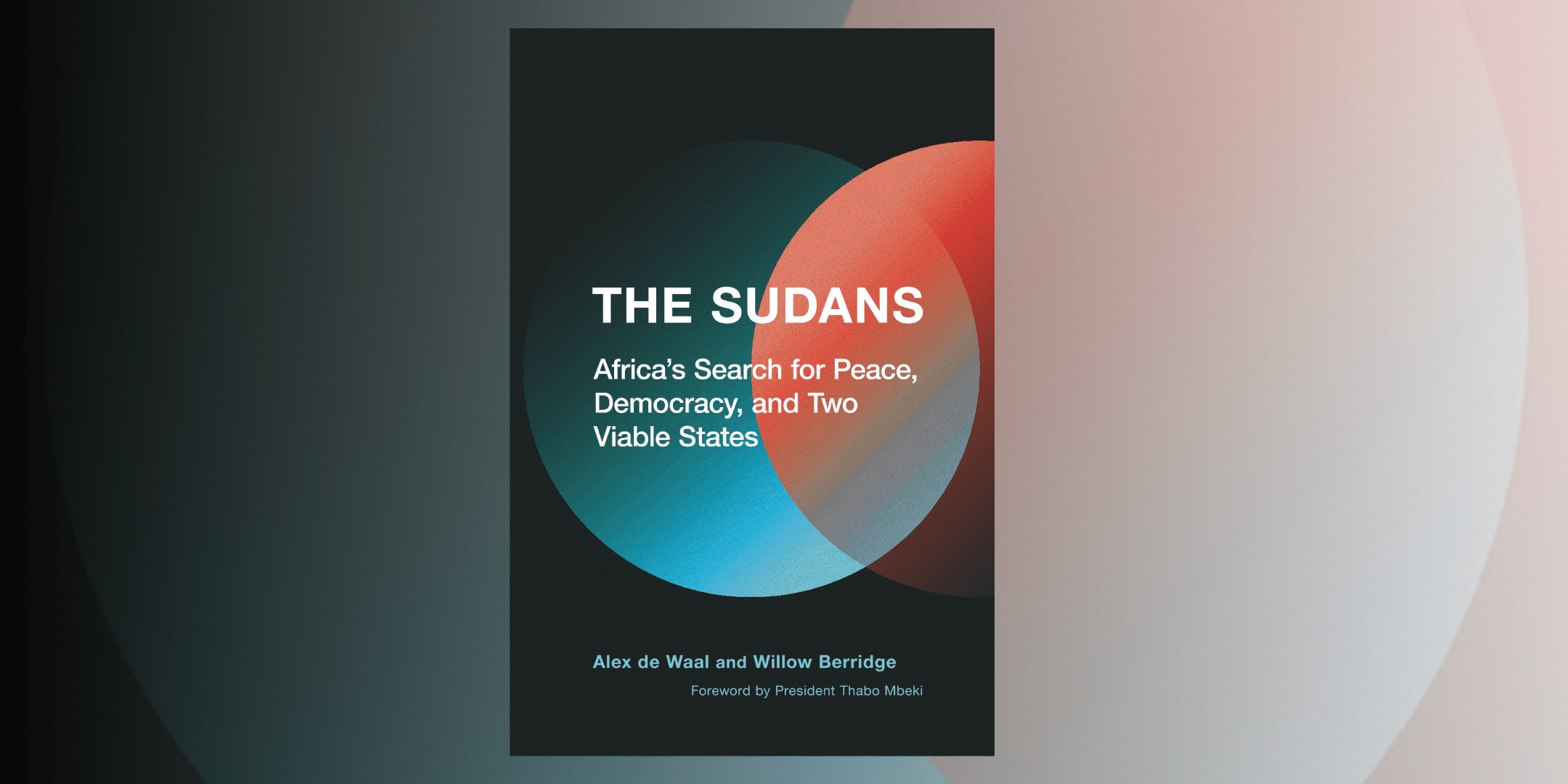
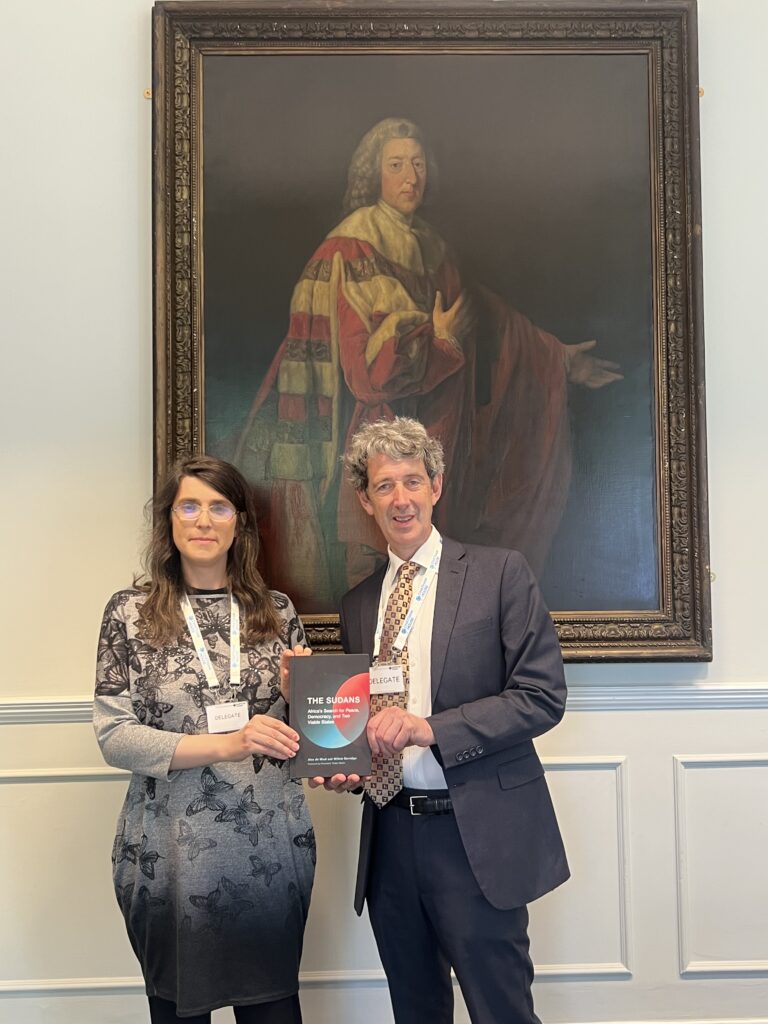
Our book, The Sudans: Africa’s Search for Peace, Democracy and Two Viable States represents not just a landmark contribution to the study of African Union peace-making, but an important contribution to the study of the history of the Sudans.
We bring to light many hitherto under-appreciated episodes at a seminal point in the history of the two nations, and foreground the presence of a variety of Sudanese and South Sudanese actors. While our main focus is negotiations facilitated by the African Union High Level Implementation Panel (AUHIP) between the two parties that signed the 2005 Comprehensive Peace Agreement – the Government of Sudan/National Congress Party (NCP) and the Sudan People’s Liberation Movement (SPLM) – we also foreground the ways in which a whole range of different constituencies influenced the process.
A prominent example is the two contending communities in the disputed territory of Abyei. Both the Ngok Dinka and the Misseriya fought what they saw as the sell-out of their area in the pursuit of a deal between the two capitals. A whole range of other communities either side of the borderline were also literally up in arms against some of the compromises that, they insisted, were being made at their expense.
In Juba, South Sudanese advocates of the New Sudan vision felt John Garang’s revolutionary project was being abandoned in the race to secede. On the opposite side, northern Islamist groups undermined AUHIP-facilitated peace deals at critical moments, notably in killing the ‘framework agreement’ to end the war in South Kordofan in 2011. Northern democrats insisted the NCP was using secession as a gambit to remain in power in the north. The early chapters on the AU Panel in Darfur records the voices of the Darfuri civilians who participated vigorously in the Panel’s hearings, but whose views were never taken into account when the powerbrokers came to formulate the country’s political settlement. All these different constituencies, though not necessarily officially represented in the talks, pushed them in different ways in different times, which was what made them a contested process, but also a deeply Sudanese and South Sudanese process.
At the heart of the text, therefore, are several seminal transitions in the history of the Sudans. One focus is on how the events of the 2009-2013 period continued the fracturing of the Sudanese Islamist project, as the identitarians of the Just Peace Forum clashed with pragmatists in the NCP over the future of relations with South Sudan and the nature of the post-secession state, while the original architect of the Islamist regime Hasan al-Turabi attempted to mobilize against the government he created during the 2010 elections and beyond them. This is also the story of the way in which the northern democratic parties tried – ultimately unsuccessfully – to mobilize the narrative that the NCP was betraying Sudanese unity in co-operation with the internationals and the SPLM in exchange for remaining in power. The secession of South Sudan set in chain a set of events that would prove central to the subsequent downfall of the NCP later in the decade, as the collapse of oil revenues let to austerity and revolution in the riverain center of Sudan. Yet even before the post-2019 transition descended into authoritarianism and conflict, there was never any prospect of the democratic parties who blamed the NCP for secession in 2011 managing to persuade South Sudanese to come back into the fold of a united nation.
Nevertheless, this book remains not a history of Sudan and South Sudan but of the two Sudans, and the fraught intimacies that defined the relationship between the two nations even subsequent to secession. Nowhere can this intertwined history be seen more visibly than in the talks over citizenship, where the efforts of both SPLM and particularly NCP ideologues to articulate a clear distinction between ‘northern’ and ‘southern’ identities exposed in practise just how entangled those two identities were.
Economic interdependencies remained post-secession, the most obvious of which was the shared pipeline infrastructure through which South Sudanese oil was pumped towards external markets via Port Sudan. For the AUHIP, managing the negotiations over the oil pipeline, and the two nations’ contested borders, was key to ensuring the emergence of ‘two viable states’ that would be mutually economically supportive. For the remaining adherents to the ‘New Sudan’ vision in the SPLM, the contested borderlands and the shared oil infrastructure represented vulnerabilities that could be exploited to undo the NCP and bring about political transformation in the north. For these elements, South Sudanese statehood created an opportunity to pursue old conflicts in a new context – the cross-border war over Sudan’s last remaining oil field in Heglig, Juba’s decision to shut down the oil pipeline, and the ongoing support for the Sudan Revolutionary Front – including the northern wing of the SPLM in the Nuba Mountains and Blue Nile along with the Justice and Equality Movement – were all elements of this strategy.
For most the period under study, the mandate of the AUHIP was to facilitate talks, not mandate solutions – thus the story of how Sudanese and South Sudanese actors both within and without the official negotiating teams shaped the talks is central to our analysis.