The extended world war – from 1914 to 1945 – saw the greatest number of famines in the twentieth century, probably the worst concentration in world history. As the historian Cormac Ó Gráda has so painstakingly documented in his book The Hidden Victims, as many people perished from hunger during each of the two World Wars as did from direct violence. If we include the terrible famines of the so-called ‘inter-war’ period, the number is likely higher.
The World Peace Foundation catalogue of great famines and the interactive map allow us to visualize this history. An earlier blog post showed the timelines of war and famine over the last 155 years.
World War One was mostly fought in Europe and the Middle East. Hunger was a weapon used by all – arguably the outcome of the war was determined by the fact that Britain and the Entente powers starved Germany and Austria-Hungary before the German submarines could starve the British Isles. In the Middle East the war period saw famines in the Levant and Persia, while the Turkish genocide against the Armenians was accomplished to a large degree by forcing the Armenians into the desert where they died from hunger and thirst. As if the Armenians had not suffered enough, the briefly independent Armenian state also suffered famine after the war. Meanwhile, the aftermath of the Russian revolution saw the worst starvation of the entire period – a war-related famine across northern Russia and parts of southern Russia, while the new Soviet authorities commandeered grain from southern Russia and Ukraine, triggering another famine.

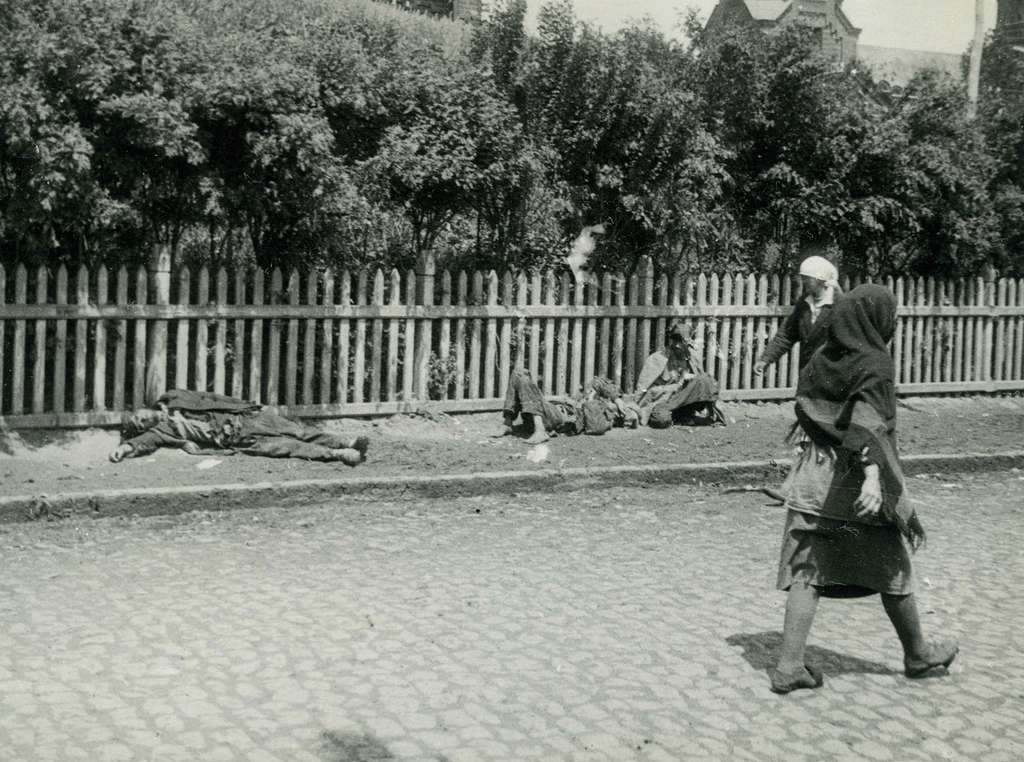
A few years later, there was a second round of vast famines between 1928-1934. In the Soviet Union, Stalin’s program of forced collectivization caused starvation across southern Russia, Ukraine and Kazakhstan. The famines in Ukraine and Kazakhstan became genocidal as he used starvation as a weapon against the national identities of those peoples. The Ukrainian Holodomor is one of the defining events of Soviet history and of relations between the Russian and Ukrainian peoples. In China, the warlord era and civil war caused famines on a comparable scale.

World War Two witnessed some of the most appalling famines in history. In Europe, the single greatest driver was the Nazi regime’s Hungerplan. In order to feed the homeland, and not suffer the same fate as in 1918, the government extracted food from eastern Europe, the Balkans and the parts of the Soviet Union it had overrun. It also used starvation as a weapon of extermination, first against Soviet prisoners of war, then against Jewish populations, especially in Poland and Ukraine, as well as trying to starve the city of Leningrad into collapse. In western Europe, Spain suffered famine on account of Franco’s autarkic policies, worsened by the Allied blockade, that also contributed to famine in Greece.

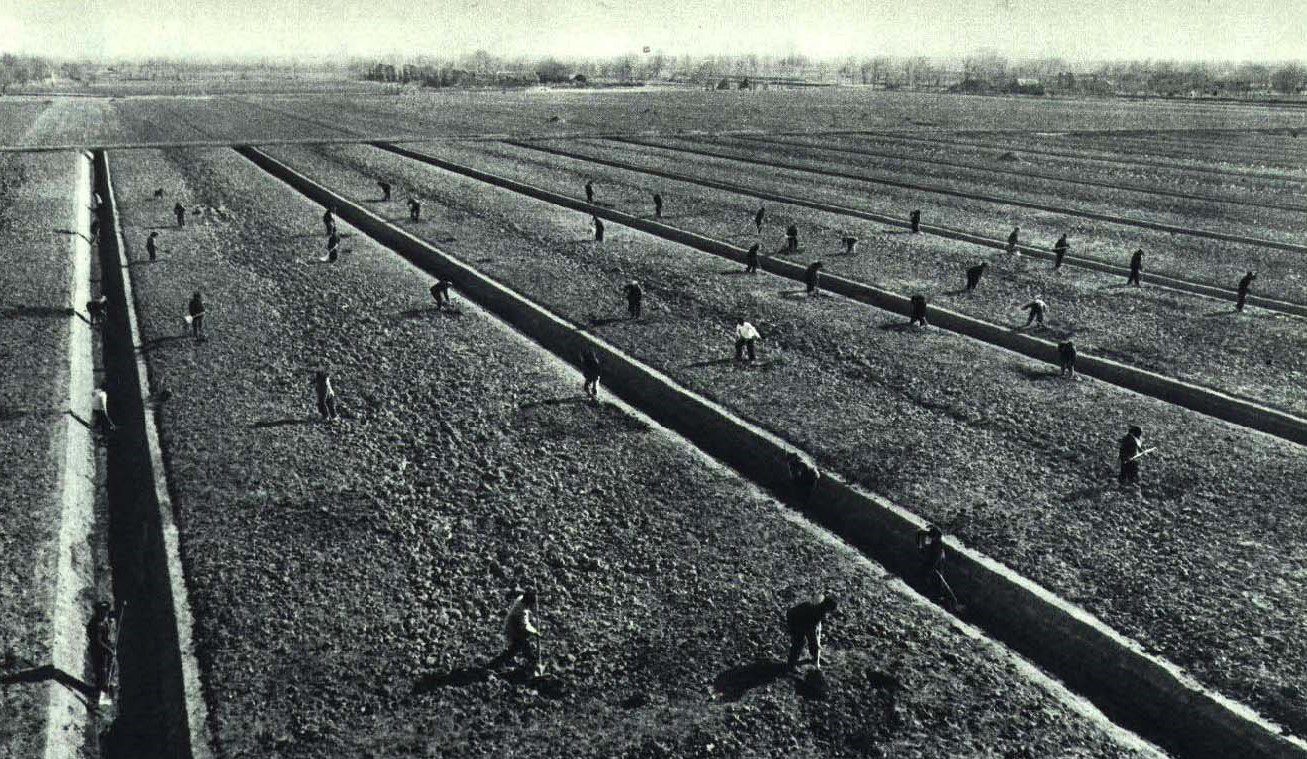
In Asia, the patterns were different. The war caused famines in a number of distinctly different ways. The war in China was an agrarian war, with both sides using scorched earth policies. This also happened in Indonesia and the Philippines. The Japanese army lived off the land throughout all theaters of war – the red circle on Japan represents the losses to hunger among the Japanese forces themselves across the whole arena of conflict. In Bengal, the British destroyed fishing boats and crops to try to halt the Japanese advance – the damage made worse by a cyclone – and then failed to provide relief or intervene in the food markets to prevent speculative hoarding. At the war’s end, the French authorities in Vietnam failed to manage an economic crisis, causing famine, while continued fighting in Indonesia as the Allies sought to reimpose Dutch colonial rule also caused starvation.

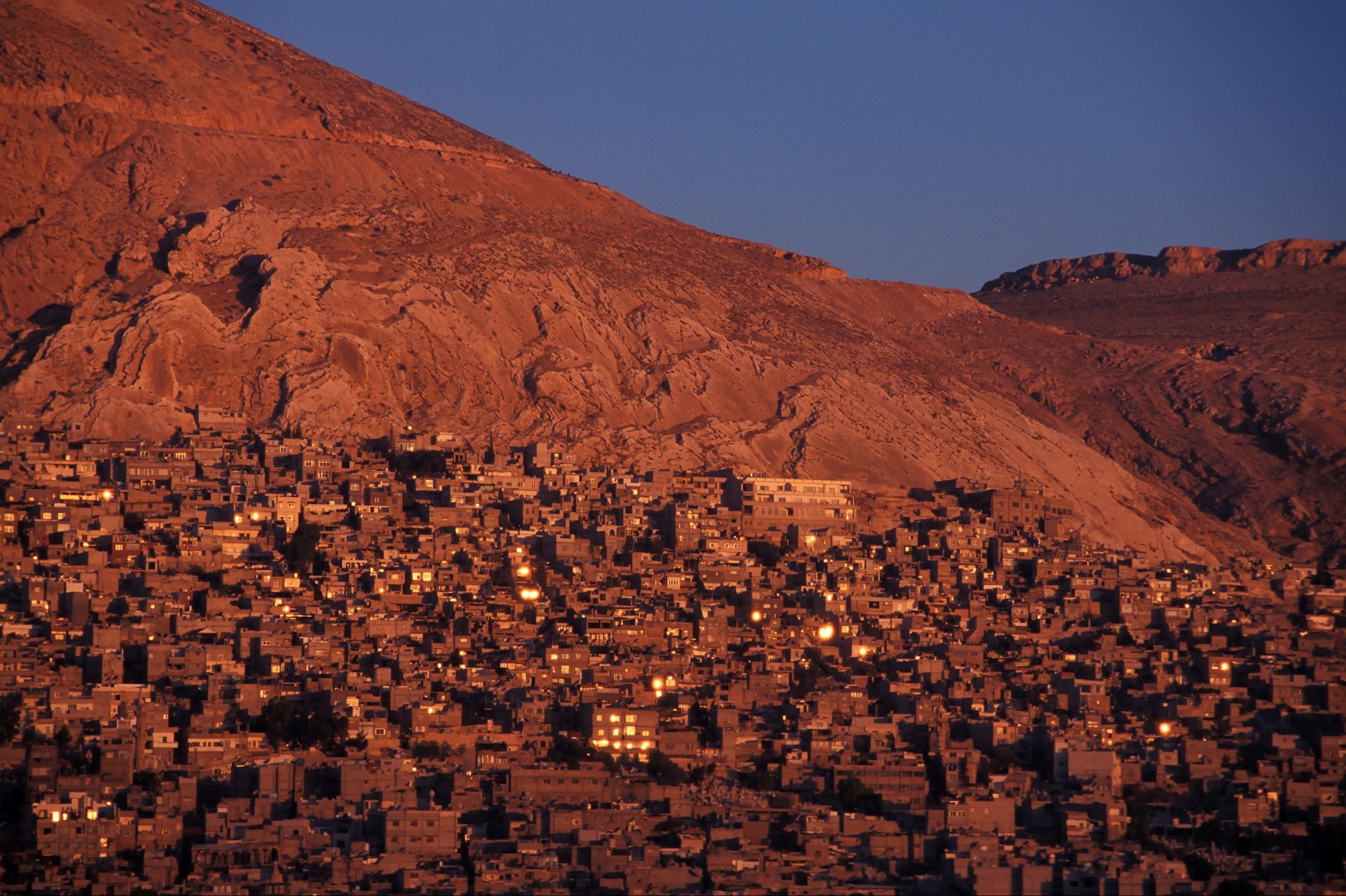
Today’s wars have – for the most part – a different geography and a different starvation profile. There are neither great wars nor famines in east and southeast Asia nor in Europe. There are resonances between the World War One devastation of the Levant and modern war starvation in Syria, Gaza and Lebanon. There’s a war in Ukraine, in which food is weaponized and which has seen starvation sieges – notoriously so in Mariupol – but no mass hunger or genocidal starvation on anything like the scale of the 1930s and 1940s. World War X is causing hunger, but in a very different way to the 20th century’s world wars.