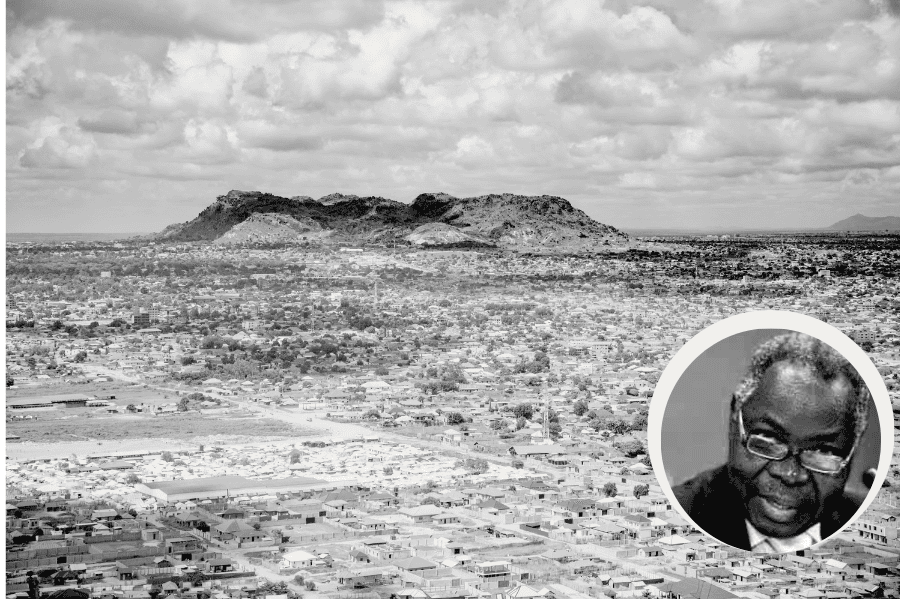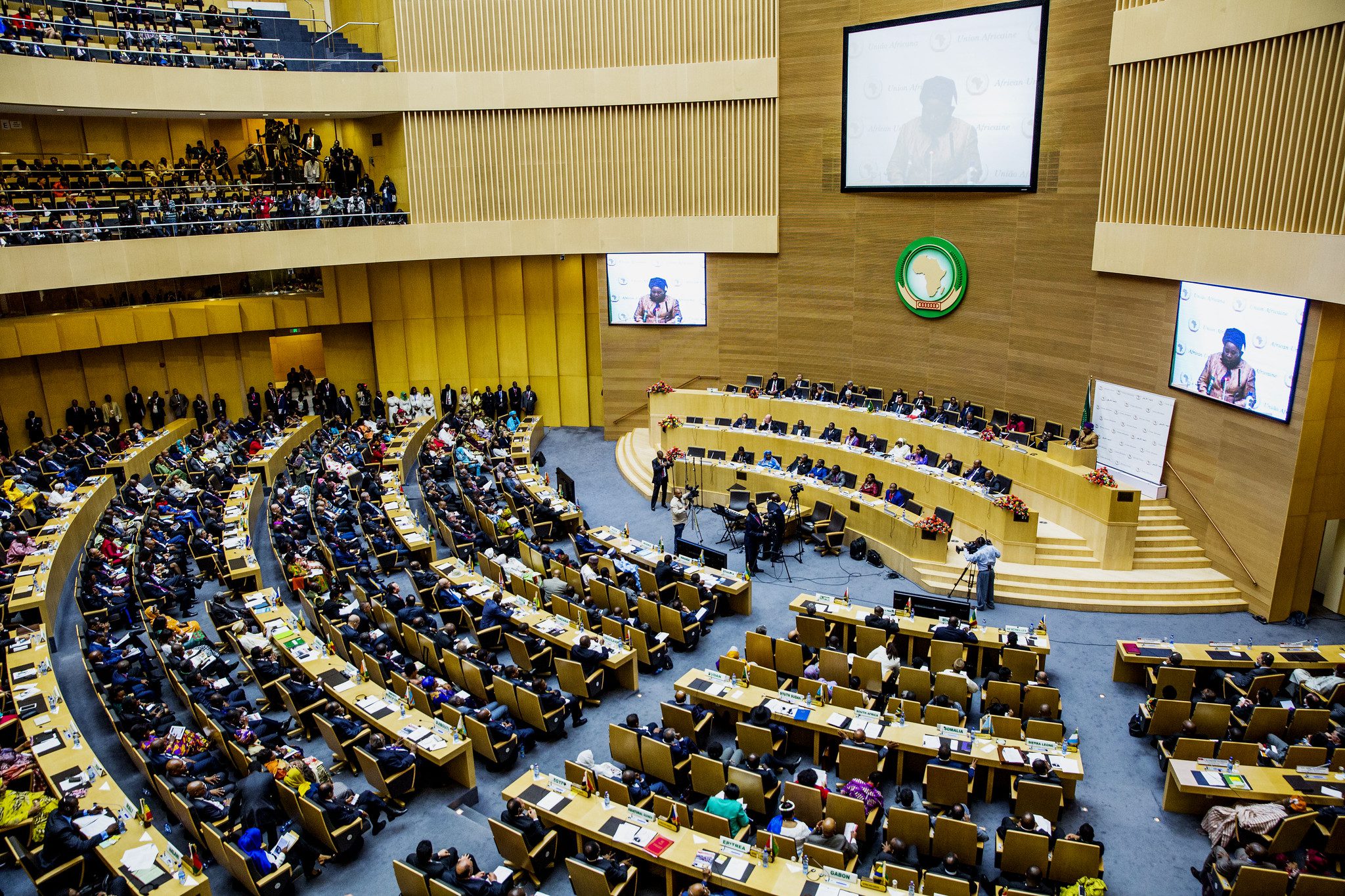
The African Union High Level Panels for the Sudans, from 2009 to 2013, were the AU’s most sustained and ambitious peacemaking activity. Chaired by three former heads of state—Thabo Mbeki, Abdulsalami Abubakar and Pierre Buyoya—this was the zenith of the era of the African renaissance, when Africa’s continental organization was setting the agenda for peace, security, democratization and accountability. Sudan and South Sudan were arguably the toughest case.
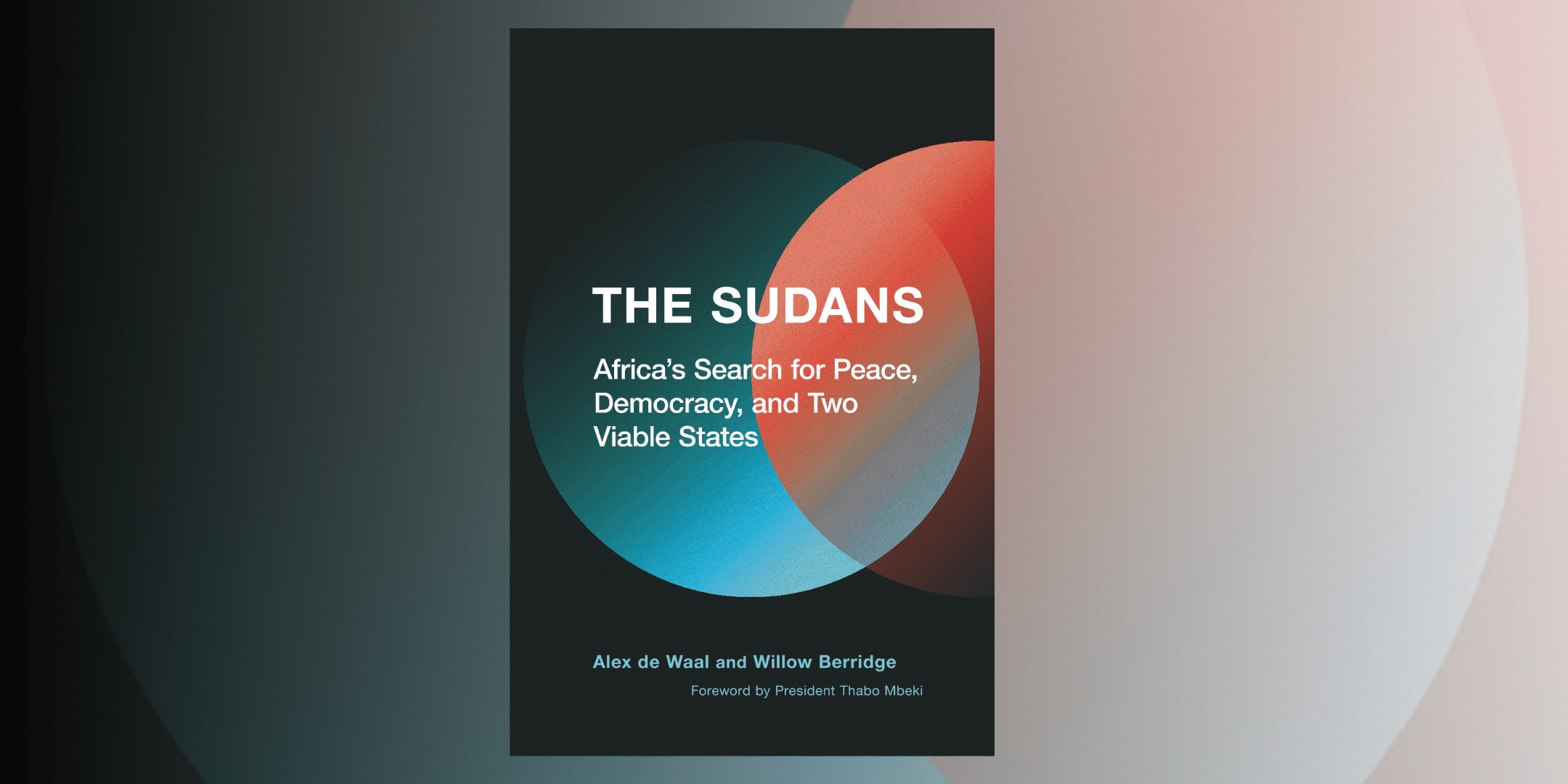
Some fifteen years on, much of the story of the AU panels remains untold. The Sudans: Africa’s search for peace, democracy and two viable states, published this month by Cornell University Press, fills the gap.
The book can be ordered from the publisher or a digital version (PDF or E-pub) can be downloaded free.
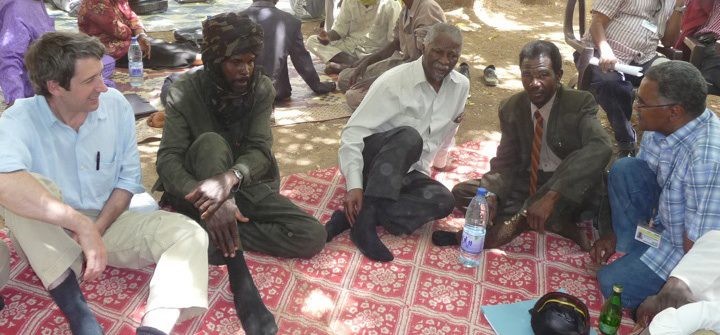
The African Union High-Level Panel for Darfur was constituted in 2009 with the aim of identifying solutions to the challenges of peace, justice, reconciliation and Darfur’s place within Sudan. When President Mbeki first took the position of chair, he asked, what do the people of Darfur have to say about these matters? On learning that they hadn’t been consulted, he decided to go and ask them. For forty days, he and the two other former presidents, along with other panelists and staff, listened to the views and proposals of a wide range of people in Darfur—including in camps for displaced people and areas controlled by the Sudan Liberation Movement, where the government could not go. The report, Darfur: The quest for peace, justice and reconciliation, was adopted as AU policy. It was not, however, implemented—the Government of Sudan was not in favor, and the United Nations and the United States had other priorities in Darfur.
The same meeting of the AU Peace and Security Council that adopted the AUPD report re-constituted the Panel as the AU High-Level Implementation Panel for Sudan, with a mandate to assist the Sudanese parties implement the remaining provisions of the Comprehensive Peace Agreement, with the overall objective of democratizing Sudan. The AUHIP then took on the task of facilitating the negotiations between the Sudanese government and the Sudan People’s Liberation Movement, over the terms on which South Sudan would achieve its independence. Both sides agreed to negotiate on the basis of “two viable states”, at peace with one another and internally. On this task, the Panel worked in close partnership with the UN (notably the then head of the UN Mission in Sudan, Haile Menkerios), the US (notably Special Envoy Princeton Lyman), IGAD (and its special envoy Lissane Yohannes) and Ethiopia (under Prime Minister Meles Zenawi).
Much happened in those negotiations, and many of the travails of Sudan and South Sudan that followed can be seen germinating—or ripening—in those years.
This book allows for an appraisal of what was accomplished, and what failed. In The Sudans, we try to do several things.
First, we document the fraught politics of Sudan and South Sudan at a seminal moment in their history. Many of the key events happened in the negotiating chambers, many of the key texts were never made public. Indeed, one of the principles of the AUHIP’s work was not to negotiate in public.
On one occasion, during the talks trying to avert South Sudan’s shutdown of the oil pipeline, the Panel put a proposal on the table. Both sides rejected it—the South Sudanese negotiator insisting that it was impossible to accept. Mbeki assessed that they would come back and agree to the same terms in six to nine months, but knew that in order for any agreement to be reached, the proposal had to remain confidential. ‘Blame me’, he told the South Sudanese delegation. The mediator’s job was to take the hit. Success was measured by the parties coming to an agreement—and claiming it for themselves.
There are many such details in the book.
Second, the book documents how the African Union worked—and could still work. It provides examples for how partnership among multilateral organizations worked in practice, providing the granular detail of the division of tasks.
For example, the UN Interim Security Force for Abyei was contrived to prevent armed conflict over Abyei derailing the independence of South Sudan in July 2011. A peacekeeping force needed to be inserted into the area to ensure that the Sudanese army withdrew and the people of Abyei, recently driven from their homes by army attacks, could return. But the Sudanese government, deeply suspicious of the United Nations, would only consent to a mission if it knew the exact mandate and the composition of the force in advance. All the regular processes for designing, mandating and putting together a UN peacekeeping mission needed to accomplished in a few days—a tiny fraction of the usual process. The book details how this was done, orchestrated by the Panel with its partners. Meles Zenawi offered an armored brigade to be dispatched within weeks. At a private meeting between U.S. Secretary of State Hillary Clinton and Sudanese Assistant President Nafie Ali Nafie, the two agreed on an expedited process of mandating the mission at the UN Security Council was agreed. The AU Panel held the ring.
Third, the book sets a new bar for how to document peace processes. The United Nations has done itself a huge disfavor by not permitting its records to be made available to researchers. Most accounts of peace negotiations are either the memoirs of those involved or are based on interviews with participants—and elements of subjectivity creep in. What we have done in this book is to use the primary sources—the documents of the political process itself, including meeting notes, internal memos, drafts of agreements—so that the facts can speak for themselves. I was a participant, but Willow is an independent scholar, who appraised the sources with the eye of a historian. There are 90 pages of (small print) footnotes and references. The archive is held by the World Peace Foundation.
And finally, fifteen years on from the central events narrated in The Sudans, the publication of the book is an opportunity to reflect on what might yet work to achieve peace, democracy and two viable states in Sudan and South Sudan. Over the coming weeks, we will run blog posts that draw on the experience of the AUPD and AUHIP, in the context of what has happened since—and what may yet be done.