Women and girls in camps for Internally Displaced People (IDPs) and refugees in Sudan and beyond have contributed significantly to addressing their communities’ needs and requirements. Their contributions are made in the context of widespread hunger and deprivation, where access to food, fuel, health care, and basic services has been deliberately disrupted by the war. Some have engaged with existing initiatives working with IDPs and refugees, while others have established their own initiatives and organizations to provide assistance. An IDP woman in a village in Sennar State stated:
When we became an IDP from Khartoum State to Sennar State, there were no schools or any kind of education. I founded an initiative for teaching children and adults the English language for 3 months – more than 500 individuals, most of them are women and girls. It had an impact in creating a space for IDPs, the host community, and spread to other neighbouring villages. It also performed as a space to share experiences and feelings. We did it because of the urgent need to have any type of activity and the lack of funds or the absence of anybody to support the needs.¹
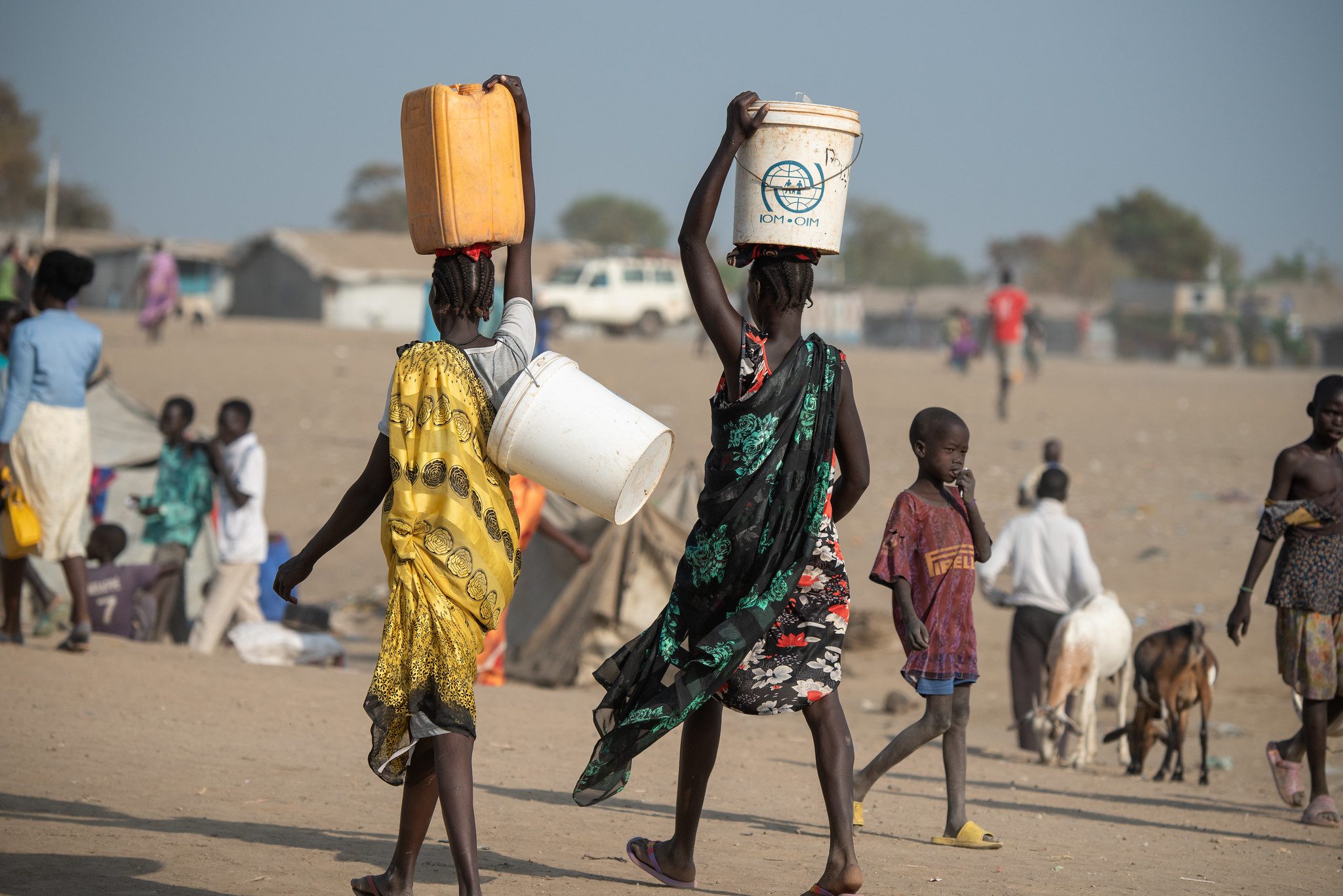
This testimony demonstrates Sudanese women’s willingness to take initiative and act, as well as their capacity to catalyze change within their communities. Following the outbreak of war, the majority of women became their families’ primary providers, despite their status as refugees and IDPs in comparison to Sudanese men. As primary providers, women have been forced to shoulder responsibility for securing food, water, and basic survival in conditions of extreme scarcity.
Women participating in emergency response rooms (ERR) have also delivered impactful interventions at the grassroots level. They have implemented more than 10 successful projects within one year with moderate support. They managed to reach the grassroots communities and gain the trust of the surrounding community through their activities. A volunteer described what women’s ERRs provided: “community kitchens, distribution of shelter materials, distribution of dignity kits, rehabilitation of school classrooms, and other services such as awareness sessions for psychosocial support.”⁴
These interventions often function as informal lifelines. To illustrate, the women’s emergency room in the Eastern State provided a rapid humanitarian response for women and children, providing meals, menstrual pads, laundry and body soap, underwear, toothbrush and toothpaste. In a context where hunger is widespread, the provision of meals has been a primary survival intervention rather than a supplementary service.
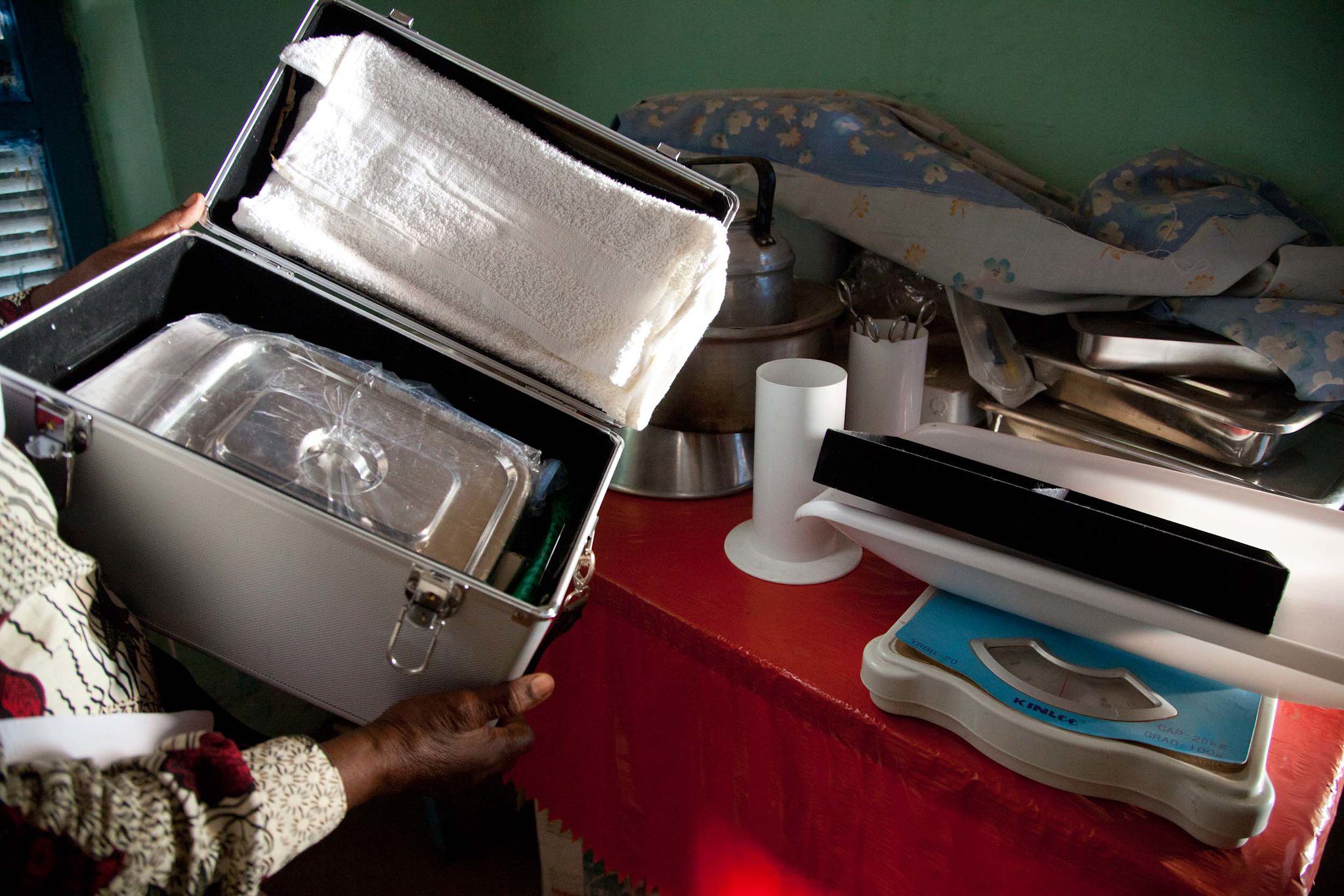
Women in ERR’s also organized peaceful coexistence sessions because the IDPs and host communities are from different areas and ethnicities of Sudan. Ethnicity is a key factor in the conflict, fueling discrimination among people in camps and shelter centers. These peaceful coexistence sessions took place in conjunction with distributing dignity kits. The distribution of dignity kits has been especially significant in contexts where health systems have been targeted and destroyed, where women lack access to hygiene materials during menstruation, pregnancy, and post-partum periods, increasing health risks amid malnutrition.
Additionally, women conducted sessions on positive health and addressing gender-based violence among displaced women. Their work expanded to include the local community members through neighborhood coffee sessions focused on women’s roles in peacebuilding. As the Kassala women’s ERR stated, “We also documented the stories of women survivors from the displacement journey. We are currently conducting sessions in alignment with the 16 Days of Activism campaign in several neighborhoods of the city and various localities.”
Despite these achievements, women faced numerous challenges. The cancellation of USAID funding halted what could have been a transformative experience: the establishment of grassroots women’s emergency rooms in numerous localities. The withdrawal of funding has had direct implications for food distribution, health access, and protection, deepening the risk for already vulnerable communities. Regarding future directions, the women said they hope “to obtain additional funding to help establish these [ERR] rooms that would assist remote communities in accessing services and also produce youth leadership.”²
Following the RSF’s occupation of Al Fashir, many locals and displaced people fled to different states, including Central Darfur State. This forced displacement occurred alongside siege conditions and food blockades that left many families fleeing not only violence but hunger. A woman member described the ERR’s response:
The initiative provided support to displaced persons fleeing the war, particularly those displaced from Al-Fashir who arrived in Tawila locality. The initiative also combated hate speech through tea and coffee sessions, social media platforms, and field workshops at Daba Naira camp on several occasions. We created banners and murals that express through images and illustrations the importance of confronting hate speech and promoting peace and peaceful coexistence. We have worked on numerous experiences. We conducted awareness sessions with sheikhs and community leaders to deliver messages of tolerance and overcoming hate speech. We implemented tea and coffee sessions about hate speech with elderly people, mothers, and fathers. We executed a two-day cultural, intellectual, and heritage exhibition calling for overcoming hatred and working towards building comprehensive and just peace. The displacement crisis from Al Fashir created tensions between IDPs and host communities. Hate speech threatened peaceful coexistence and could escalate conflict. The initiative recognized that combating hate speech was essential to prevent violence, promote tolerance, and ensure social cohesion among displaced populations and receiving communities.³
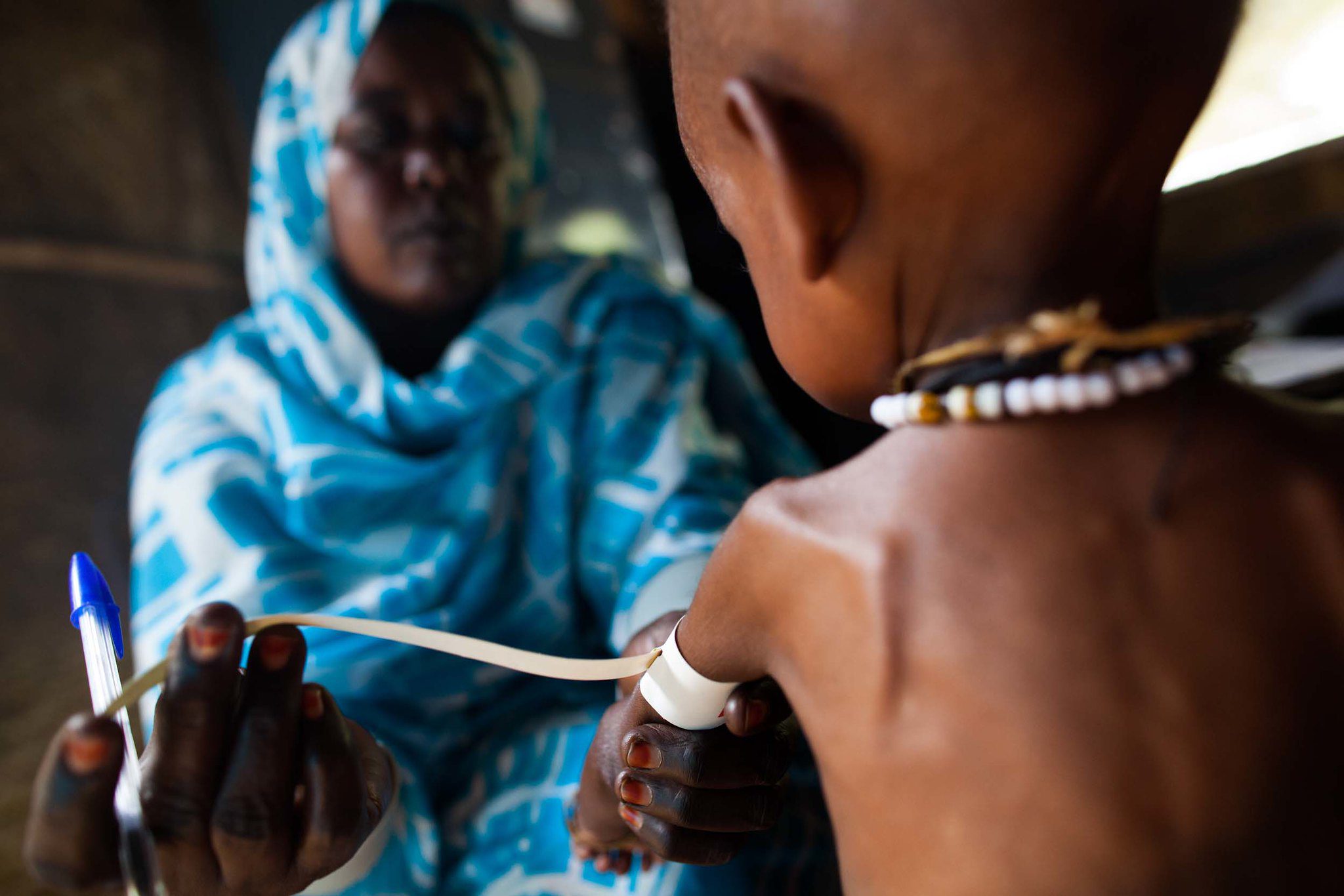
Beyond safe spaces and women’s specialized offices, ERR service points such as communal soup kitchens (takaya) were established in IDP camps and neighborhoods. The majority of people collecting meals from these kitchens are women, girls, and boys. Women’s presence reflects their role as primary caregivers responsible for sustaining children and dependents amid hunger and deprivation. These spaces have facilitated the exchange of experiences, typically between IDPs and the host community, as meals are provided to both groups. Activities extend beyond meal distribution, including singing activities and awareness-raising campaigns, particularly during outbreaks of Dengue fever, malaria, diarrhea, and other diseases based on identified needs. Disease outbreaks are closely linked to malnutrition, unsafe water, and the collapse of health systems under conditions of mass starvation.
Women consistently serve on the frontlines and are fundamental actors in addressing the harms of the current Sudan war. Women operate at the intersection of hunger, displacement, violence, and depravation, often filling gaps left by the collapse of formal health, food, and humanitarian systems. As one emergency response room member from Al Dain ERR stated:
We succeeded in sheltering displaced persons from South Darfur when the war broke out and in the absence of government intervention. We sheltered the displaced in schools through volunteers from El Daein Humanitarian Emergency Room, who had launched an initiative to collect food supplies within the local market in the presence of the local administration, the Chamber of Commerce, and philanthropists. We worked on establishing an IDP camp, which at the time housed 25 families. We provided them with all their needs. We found the displaced persons in difficult circumstances, and I was deeply affected by their situation.⁵
In a context of war and mass starvation, the destruction of livelihoods and health services, and systemic deprivation, these initiatives are not supplementary—they are central to survival.
Even when Sudanese women have fled to other countries, they find ways to contribute. A women’s initiative in Kampala, Uganda, sponsored by a civil society organization, has worked to bridge the gap between Sudanese women and girls refugees in the capital city, Kampala, and women and girls in the refugee camp in the Kiryandongo District. Through a volleyball activity organized in the refugee camp, the Sudanese refugee women and girls from Kampala sought to contribute to psychosocial support for Sudanese women and girls in the refugee camp by providing essential items: a ball, a net, and playing T-shirts. The impact of this modest intervention extended beyond the activity itself, creating a space where all participants could exchange their experiences and discuss various issues related to life in the host country while fostering engagement.⁶
These diverse narratives demonstrate that displaced Sudanese women and girls have created meaningful change within host communities. They have established initiatives, organizations, and groups to provide displaced people with essential aid, including food, health services, and education for various age groups. They have advocated for displaced people and collaborated with host communities to deliver required assistance in aid and SGBV prevention, as well as maternal health services.
Sudanese women’s actions address the ways hunger, violence, and reproductive harm intersect in daily life. Without their participation, implementing effective interventions to address these harms would prove exceedingly difficult. These women’s groups’ initiatives and ERRs should not be viewed merely as service providers. Their efforts ensure robust impact within the community and help support the sustainability of any intervention. They function as frontline responders, filling gaps where food systems, health services, and protection mechanisms have collapsed.
They are facilitators of humanitarian activities throughout the country’s diverse contexts. They are not simply connecting communities—they are modeling what locally-driven intervention should embody and demonstrating the far-reaching impact their activities can achieve. They add substantial value to services and delivery methods. Despite facing significant challenges to their personal safety, the well-being of their families and loved ones, and the risk of exploitation through various forms of violence, including sexual violence and coercion exacerbated by hunger and dependency, they persist in their work to create spaces where their families and children can maintain dignified lives amid this senseless war.
Author interviews:
- IDP woman (interviewed in July 2023, Sennar state).
- Kassala women’s ERR (interviewed in Nov. 2025)
- Tawila – Central Darfur – Your Voice Change Initiative (interviewed in Nov. 2025)
- South Darfur – Nyala (interviewed in Dec. 2025)
- Aldain ERR – Darfur – women group (interviewed in Oct. 2025)
- SAMA foundation (https://www.facebook.com/share/p/1BWT94hc9y/) (interviewed in Jun. 2025)