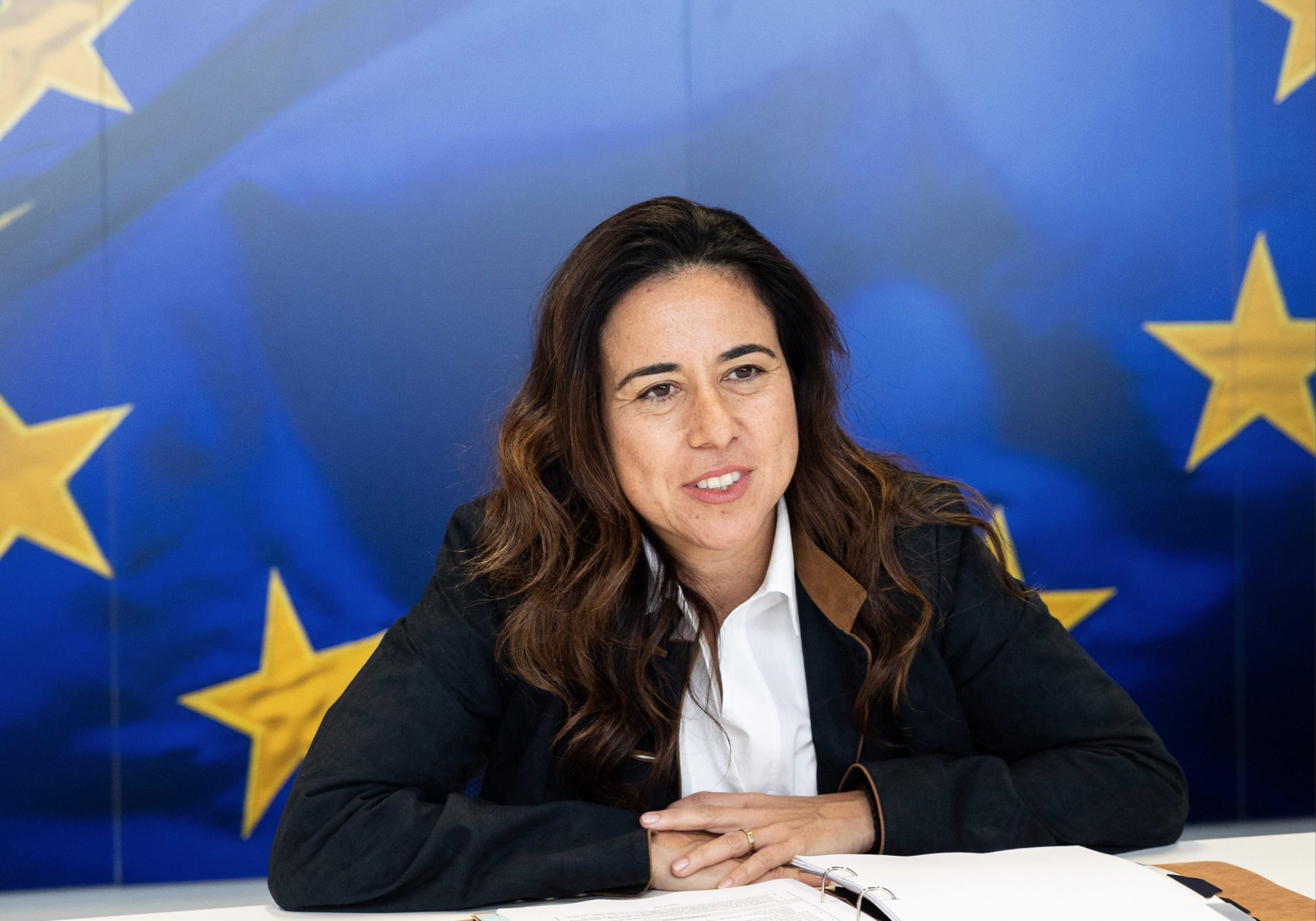
Ambassador Lana Nusseibeh is an accomplished diplomat who has many of the qualities that the world is looking for in the next Secretary General.
But if she is to be considered a morally credible candidate, she must clarify where she stands on key norms. On several counts, the practices of the United Arab Emirates, the state that has nominated her and which she has represented at the highest level, have been at odds with what the UN was founded to promote – world peace.
Here are four questions for Nusseibeh to answer. If she can satisfactorily answer each one, it will be clear that she is the candidate the world needs. If not, then it’s clear what the UAE should do if it is to rehabilitate its increasingly tarnished international reputation.
Each test refers back to one of the foundational norms of the UN.
One: food security.
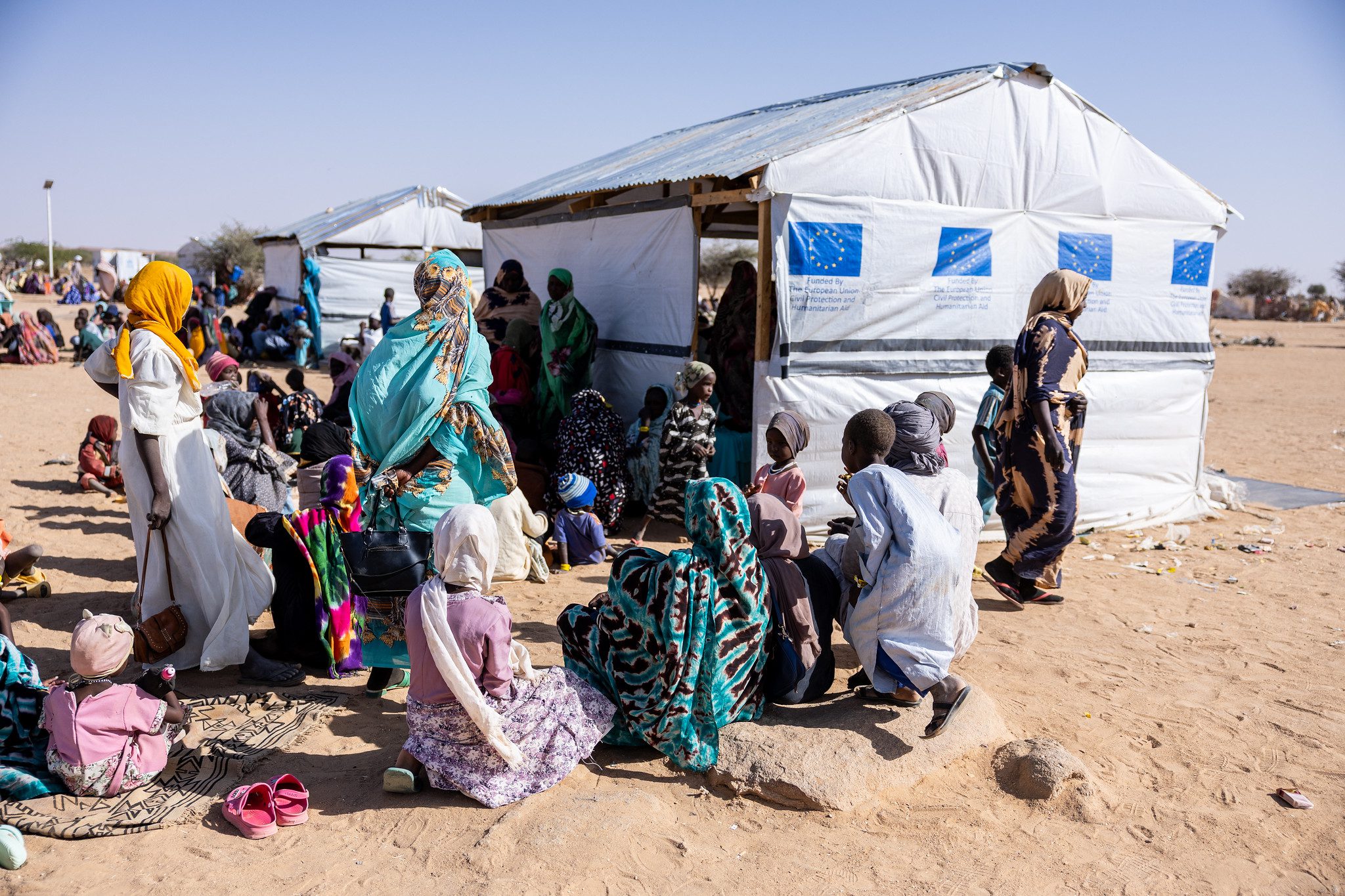
Test one is the simplest. The first United Nations conference was on food and agriculture. Held at Hot Springs, Virginia, in 1943, it was convened because US President Frankin D. Roosevelt recognized that freedom from want for food was the foundation of world peace. It led two years later to the creation of the UN Food and Agriculture Organization. Today, with the world facing a vast food crisis, tens of millions going hungry, and famine stalking half a dozen countries, that vision needs to be reaffirmed.
The test is simple. Nusseibeh should state clearly that she stands with the FAO and World Food Program’s appeal for urgent action to prevent food crisis and famine, that the UAE has a particular responsibility for using its immense resources to support the UN in fulfilling this mandate, especially in Yemen and the Horn of Africa, that she fully backs the Famine Review Committee of the FAO’s Integrated food security Phase Classification system – which has been unfairly attacked in Ethiopia, Gaza, South Sudan and Sudan – and will act on its findings.
Two: global financial transparency.
Test two is more challenging. Nusseibeh needs to take a stand in favor of global financial transparency and against money in politics. The second United Nations conference was on the world’s financial and monetary order. Held at Bretton Woods, New Hampshire, in 1944, it was convened because the Allies recognized that the economic ills of the 1920s and ‘30s led to the rise of Fascism and aggressive wars for resources. The great economist John Maynard Keynes was explicit that solving economic dysfunctions was the key to peace. At that time, the challenge was macroeconomic imbalances in trade. Today, the challenges include ensuring that poorer countries are not compelled to forfeit their sovereignty to creditors and investors, imposing transparency on the vast financial flows into offshore banking centers and secrecy jurisdictions and – most crucially – stamping money out of politics. As a senior diplomat serving the UAE, Nusseibeh will be well aware of the financial sinews of war and peace, and of the role of political money in dictatorship and democracy. In line with Keynes’s insight that world money determines war and peace, she should champion global tax justice and financial transparency, and make her own country an example for others to emulate.
Three: reaffirming the outlawing of war.
Test three is rudimentary. The United Nations charter, adopted at San Francisco in 1945, has at its center the principle of outlawing aggressive war and respecting the sovereignty and territorial integrity of its member states. War as a legal category was outlawed. For this reason, in the late 1940s, all member states of the UN changed the names of their departments and ministries of war to take the label ‘defense’. Nusseibeh should proclaim this principle inviolable. She should condemn all states that have either violated these principles directly or provided military, financial or diplomatic support to armed groups that are in violation of them, and ensure that independent investigations into these violations are undertaken and published. This begins close to home for the UAE: in Libya, Somalia, Sudan and Yemen.
Four: standing for the International Court of Justice and against genocide.
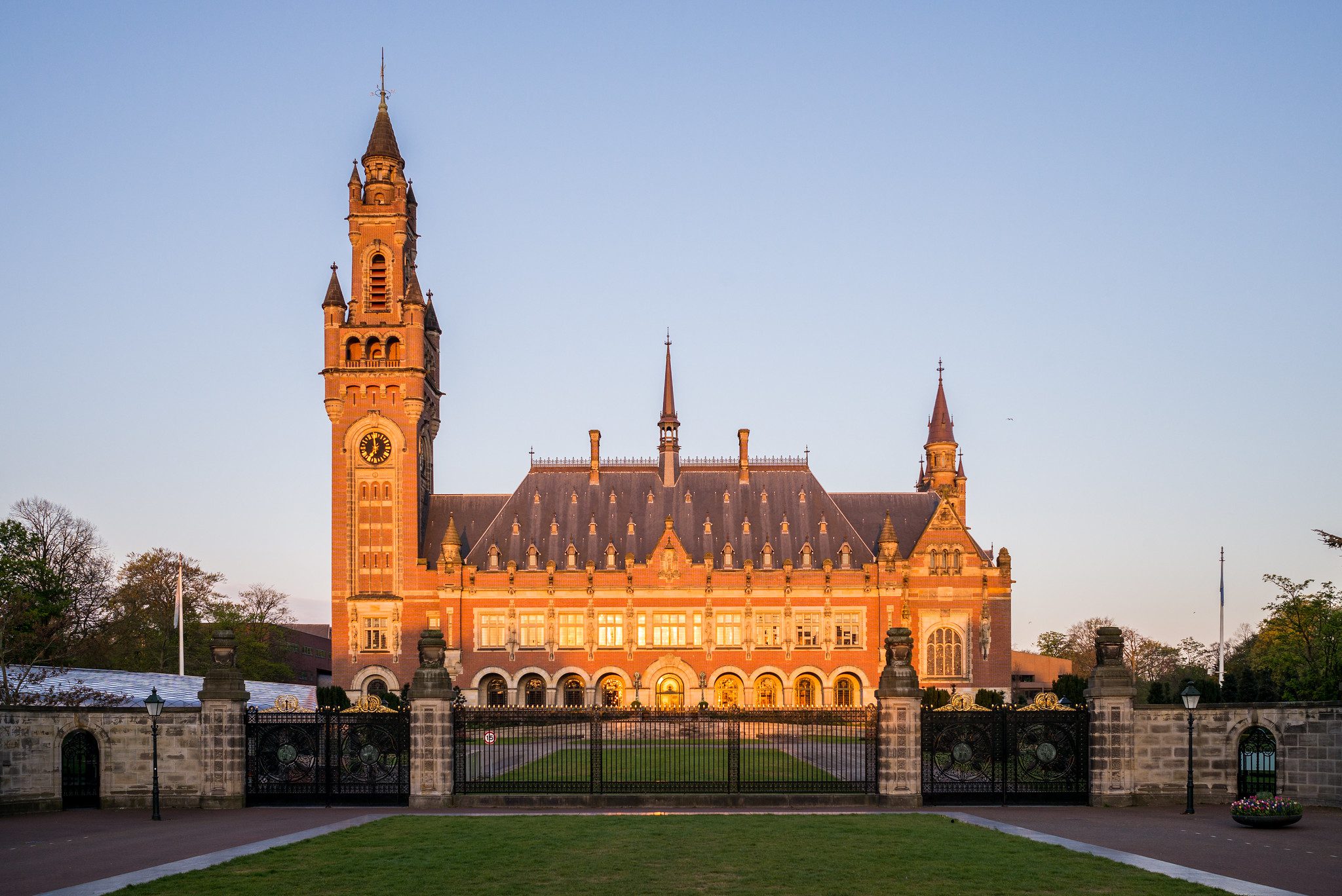
Test four relates to the fourth tier of the UN’s foundational principles: the rule of law. At the San Francisco conference, the UN member states adopted the statute of the International Court of Justice. (One of my predecessors as Executive Director of the World Peace Foundation, Leland Goodrich, was a member of the drafting committee.) There followed a cascade of international lawmaking, including adopting the Convention on the Prevention and Punishment of the Crime of Genocide, the UN Refugee Convention, and many other solemn commitments up to and including the Rome Statute of the International Criminal Court.
For Nusseibeh, the test I propose relates to the ICJ and the Genocide Convention. It goes without saying that any candidate for the position of Secretary General must champion the Court and the Convention. The prohibition on genocide is so fundamental that no state should enter any reservation into its ratification of the Genocide Convention – there should be no ifs or buts when it comes to preventing and punishing this crime. The UAE did enter one such reservation (on Article IX, the court’s jurisdiction over interpretation, application or fulfilment of obligations under the Convention), and it was on these jurisdictional grounds that the ICJ judges narrowly decided not to take a case brought by Sudan against the UAE for the latter’s alleged support for the crime of genocide, allegedly committed by the Rapid Support Forces. If Nusseibeh is to be a credible candidate, let her ensure that the UAE withdraws that reservation to the Genocide Convention, and let the ICJ take the Sudan versus UAE case, and adjudicate the case on its merits.
Nusseibeh is an accomplished individual. I have no reason to question her personal qualifications and ethics. Let us see if she can rise to these four challenges.